27 July 2026
Keep your distance from the animals and don't feed or pet them - you may be fined.
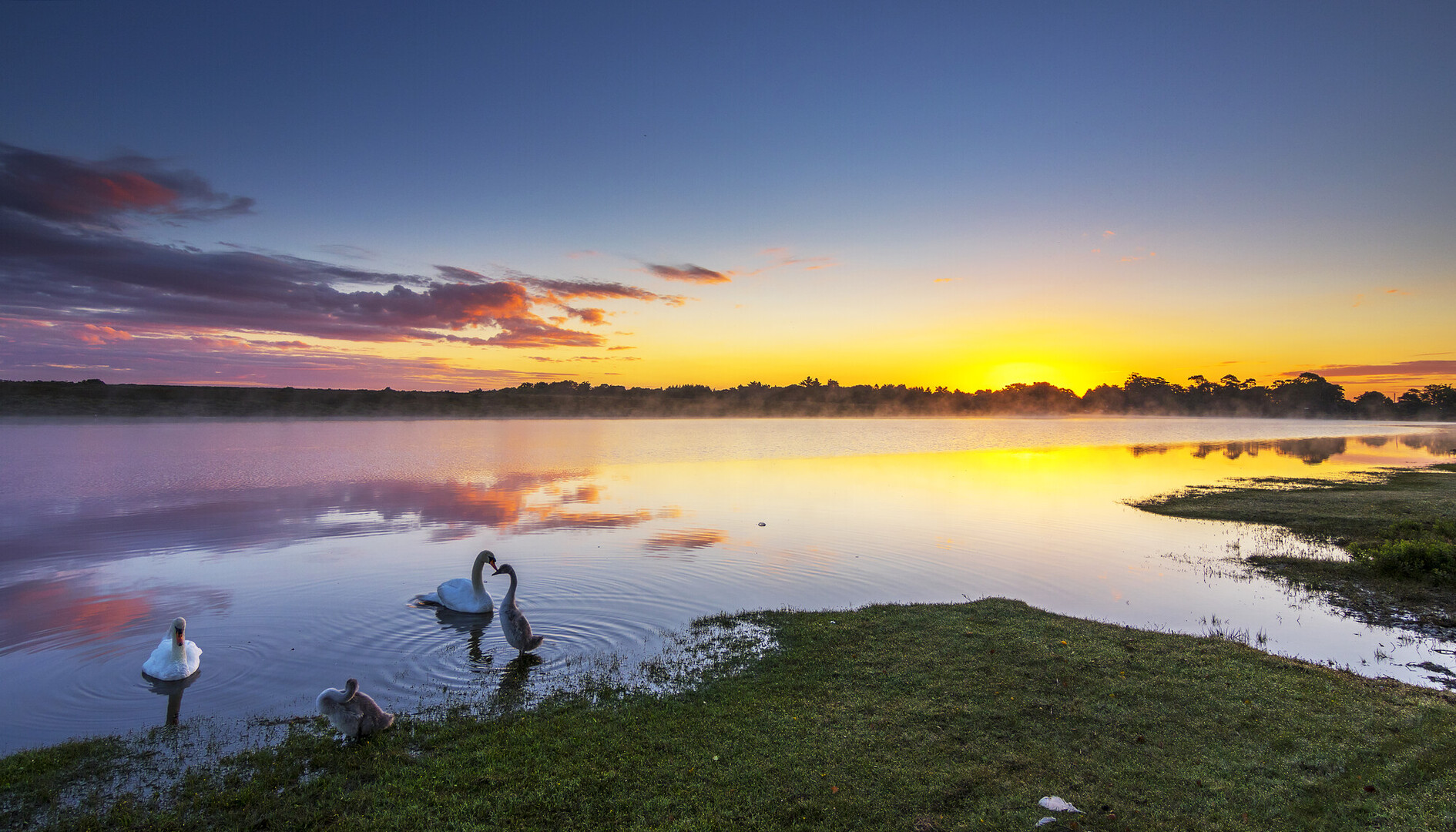
We’re working with partners and communities to combat the effects of the climate and nature emergencies and keep the New Forest beautiful and sustainable. Find out how we can all get involved.
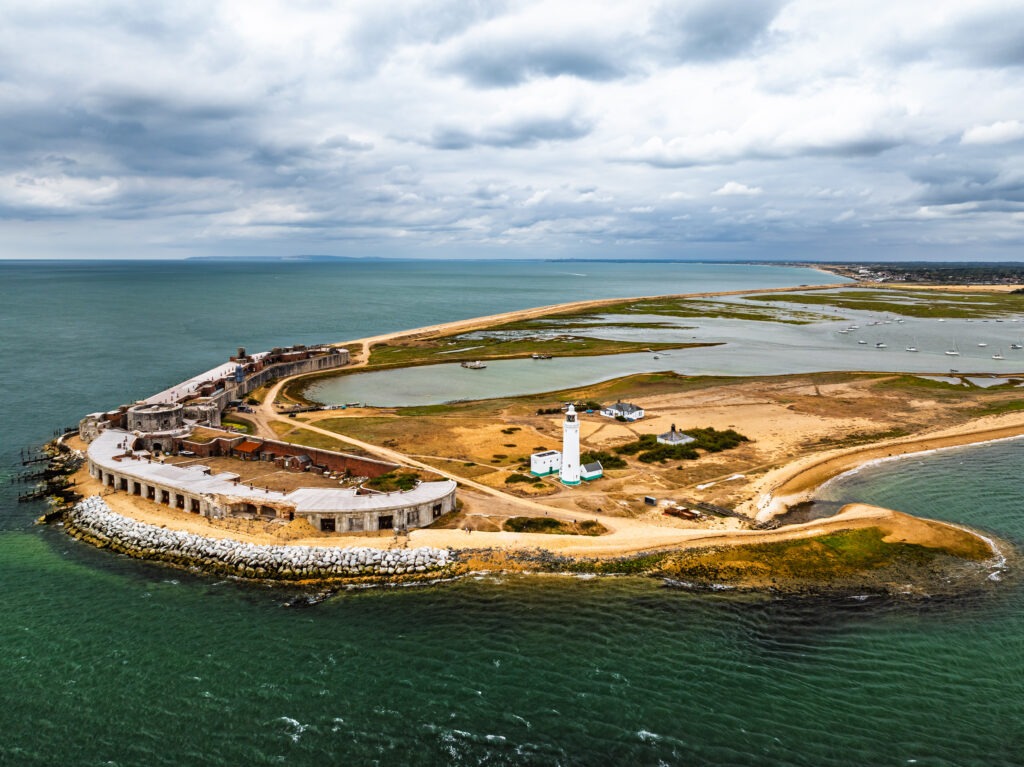
It’s likely we’ll see an increase in the intensity and frequency of storms and extreme weather events. This is already impacting our wildlife, local livelihoods and people’s health.
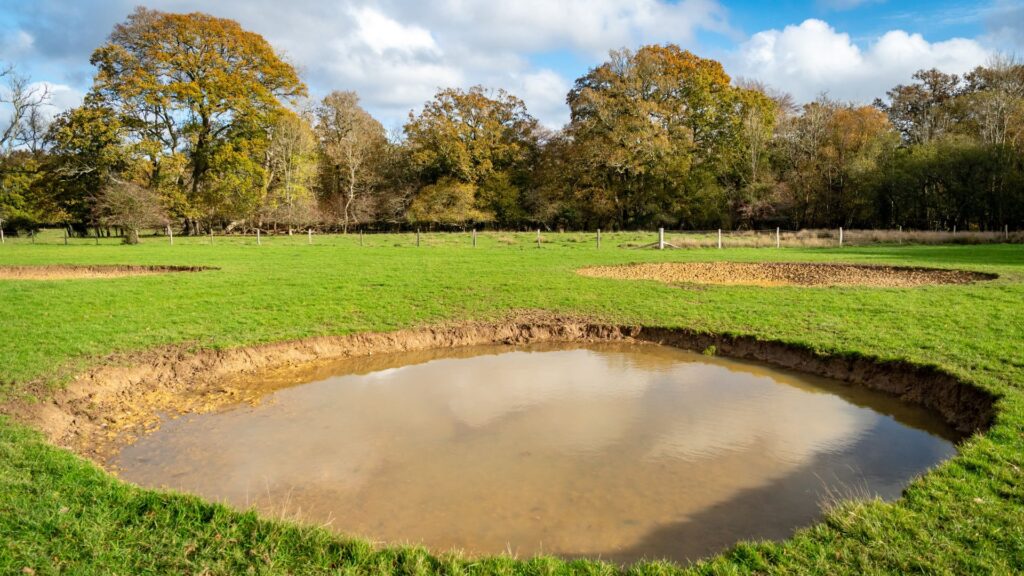
By making changes now, we can make a positive difference to the New Forest and the planet for future generations.
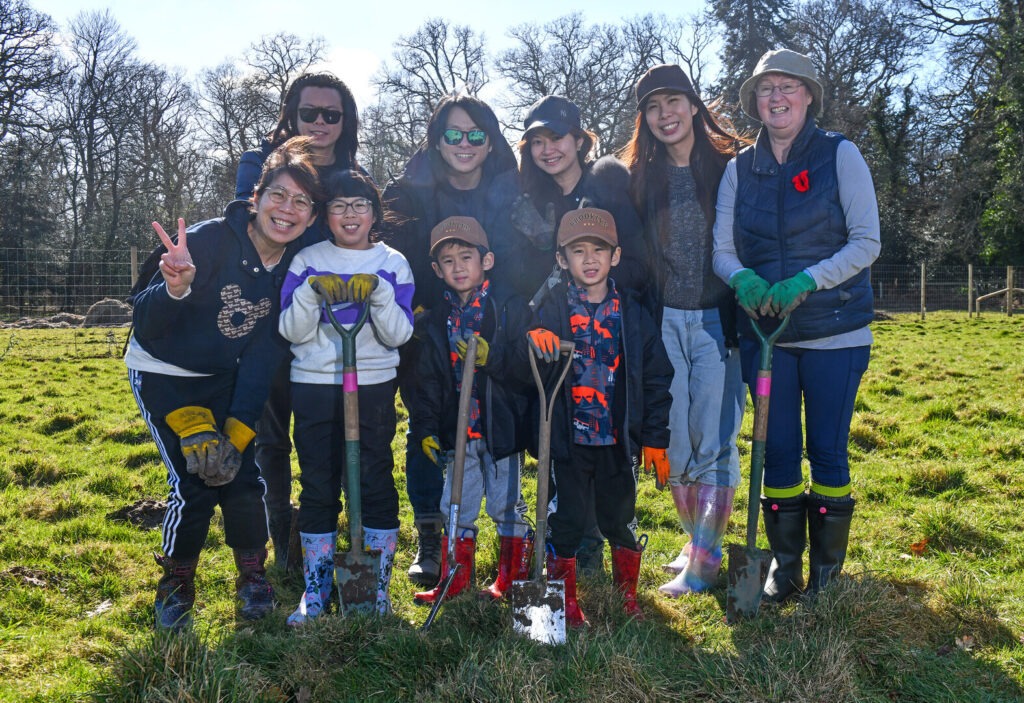
Join hundred of others in committing to take simple steps to a greener lifestyle.
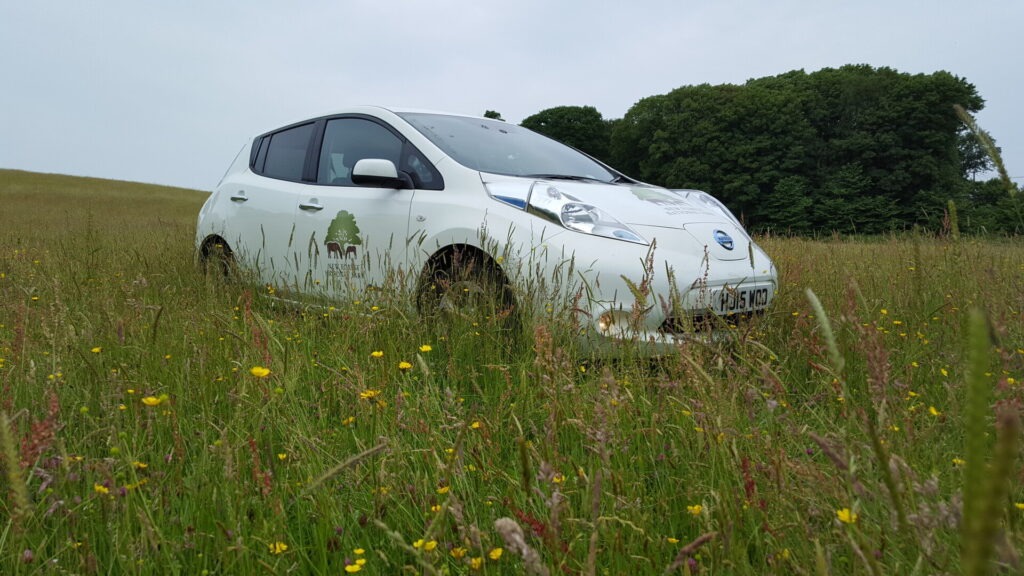
The New Forest National Park Authority is taking steps to reduce its own impact and reach ‘net zero’ by 2030. Find out how we’re doing.
Climate change is the term given to the long-term shifts in temperature and weather patterns. Recent and near future climate change has been evidenced as being caused by human activities, mainly burning fossil fuels.
Since 2022, the New Forest has experienced record summer temperatures (2022), the wettest winter on record (2023/24), and one of the driest and hottest spring/summer periods on record (2025). We and our partners are working to improve understanding of the potential impacts of climate change locally, with a focus on the natural environment and the special qualities that distinguish the New Forest from other parts of lowland England.
Our framework for action on climate change outlines our plan, as a National Park Authority (NPA), to drive forward the New Forest’s response to climate change beyond our organisational boundaries. This includes:
Each of us can make a difference with small changes to our daily lives and by making space for nature in our gardens and communities.
You could save water by installing a water butt and travel more sustainably to reduce your impact on local emissions. You can also make space for nature in your garden or community spaces, such as building a pond, or putting up bird and bat boxes.
Across the New Forest, woodlands are being managed sustainably to improve habitats for wildlife, provide homegrown timber and to increase the proportion of native tree species, which are better suited for native wildlife. This ensures our woodlands are healthy and resilient.
Sometimes trees are removed to restore other habitats. Only 16% of heathland in lowland England present in 1800 still exists today and the New Forest National Park has the largest concentration of this ancient habitat. Restoring heathland in the New Forest involves removing plantations of non-native conifers from the historic heathland areas. Restoring the heathland habitat of the New Forest, which is the one of the best examples of heathland in Europe, is an example of expanding and connecting rare habitats to help them to be more resilient to the impacts of climate change.
Removing trees from these areas often also helps to restore peat, as they can then become wetter, absorbing and storing more carbon.
Tree planting across England is increasing. The relatively small amount of trees removed in the New Forest as part of the habitat restorations will not stop the overall increase in woodland cover planned in England over the coming years.
There are many places in the New Forest National Park where new native woodland could be planted as part of this national drive for woodland creation to support nature and provide homegrown timber as well as absorbing greenhouse gas emissions.
During winter and early spring, Forestry England staff deliberately burn areas of the open Forest to stop the heather and gorse getting too tall and old. These fires are well controlled and there are always trained firefighters on hand.
As heather becomes older, it becomes less tasty and nutritious for Commoners’ livestock. Burning small areas removes the older growth and allows the plants to regenerate afterwards.
The emissions associated with this burning are negligible and the process creates the conditions for heathland plants to regenerate and keep the rare New Forest habitats thriving. Controlled burning reduces wildfire risk which would release more carbon and cause widespread, long-lasting ecological damage.
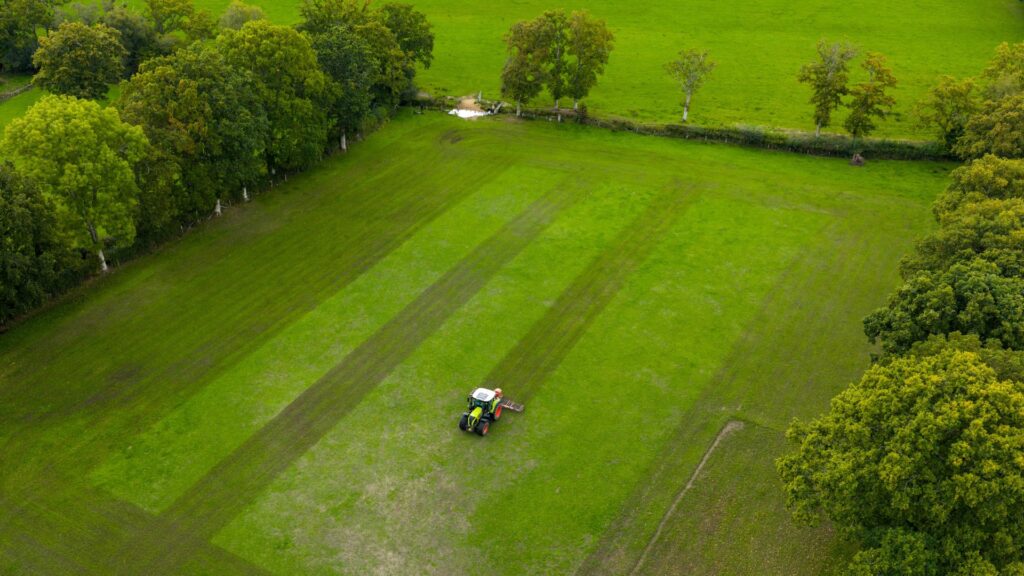
All National Parks must have a Partnership Plan to guide and co-ordinate the work of all those with an interest and influence in the National Park – statutory organisations, land managers, businesses, local communities and user groups. Find out how the partners are doing.