
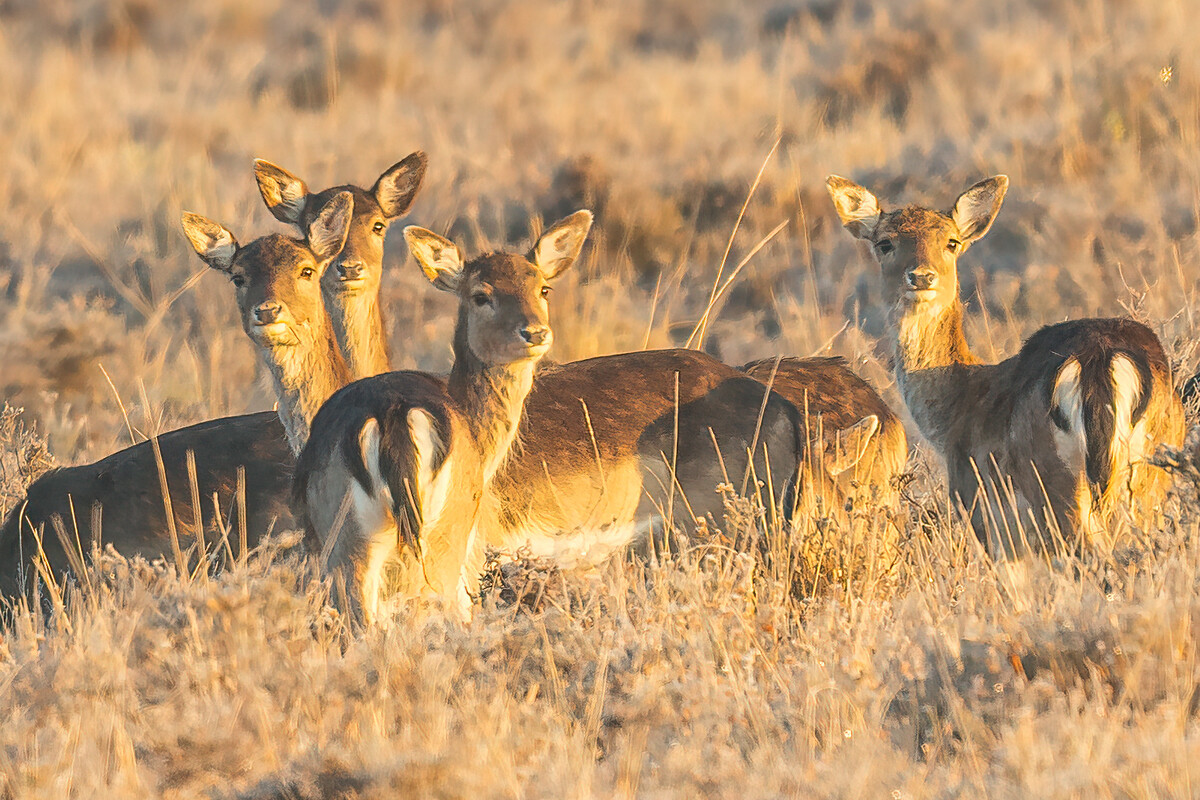
New Forest organisations are developing a strategy to improve habitats through landscape-scale deer management in and around the National Park.
Deer numbers across the UK have grown dramatically over the past century. Increasing populations are having a serious impact on some of the New Forest’s internationally-protected habitats. High numbers also mean greater competition for food, potentially leading to serious impacts on the welfare of the animals themselves.
Now the New Forest National Park Authority (NFNPA), Natural England and the Forestry Commission have been awarded £240,000 over the next few years through Natural England’s Protected Site Strategies programme. The funding will bring all parties together to build on the longstanding and exceptional work in many parts of the landscape and find ways of expanding this and making it more sustainable for the whole National Park and beyond.
The project includes:
- learning from local experience and what has worked so far
- gathering data and evidence to make sure any actions are also based on scientific evidence
- ensuring people have the right skills, knowledge and capacity to reduce deer numbers.
- supporting the infrastructure for a venison market to ensure meat sourced through responsible population management is sold locally as high‑quality produce.
- Celebrating the cultural heritage of deer in the New Forest.
Together, these activities will help partners agree what appropriate deer populations mean for the New Forest and how to achieve them.
The project is part of a nationwide expansion of Natural England’s Protected Site Strategies programme, funded by Defra.
A Defra spokesperson said: ‘Protected Site Strategies bring together local stakeholders to identify measures that will deliver the greatest benefit for nature in their area. They are being rolled out across England to help restore our most precious landscapes and habitats. In the New Forest, sustainable management of deer has a key role to play in helping the forest thrive for generations to come.’
John Stride, Net Zero with Nature Programme Manager at the New Forest National Park Authority, said: ‘Deer have been linked to the New Forest landscape for centuries and are an important part of our culture and heritage here – indeed William the Conqueror set up his ‘Nova Foresta’ or New Forest in 1079 as his Royal hunting ground.
‘However, the numbers of deer are now having a dramatic impact on the incredibly special habitats of the New Forest.
‘We want to be at a point where the numbers are appropriate and both the habitats and animals are in a good condition. It’s going to take a concerted effort by landowners, environmentalists, deer stalkers and deer experts to agree what a long-term ecological balance means for the New Forest and how we’re going to achieve that together.’
Numbers have grown due to changes in the way land is used, milder weather and the lack of natural predators. The population exploded during Covid when their numbers largely went unchecked.
Jenny Thomas, Natural England’s New Forest Senior Nature Recovery Officer, said: ‘Deer are an essential part of woodland ecology but when numbers are high, they eat and trample vegetation, preventing trees from regenerating, damaging the soil structure and reducing biodiversity. High deer densities are also linked to more road traffic accidents, damage to crops, gardens and allotments and spreading ticks that carry diseases. Without urgent action, this damage risks undermining nature recovery in the New Forest.’
In some hotspots deer numbers are estimated to be three to four times the sustainable level which would allow natural regeneration of woodland. The New Forest has five of the six species of deer found in the UK. Red and roe are regarded as native to the New Forest but fallow, sika and muntjac deer are introduced species, creating further pressure on the sensitive landscape.
Jordan Thomas, the Forestry Commission’s Protected Site Strategies Deer Officer, said: ‘Native deer are an iconic feature of the New Forest landscape and do play a role in maintaining healthy, wildlife-rich woodlands. However as outlined in the Government’s Deer impact policy statement, current approaches to managing deer haven’t kept up with the rising impacts. Deer don’t adhere to boundaries, so it’s essential to agree a way forward at a landscape scale. Through the project we will be gathering local knowledge, data and evidence, including drone footage so we know exactly what’s happening on the ground.’
At the national launch, naturalist and presenter Chris Packham said: ‘We live in one of the most nature-depleted nations on earth, composed of modified landscapes which need progressive management to restore and recover our treasured wildlife. The good news is we know how to do it and we can do it.
‘But to ensure we establish the richest mosaic of habitats, we unfortunately have to make some hard choices and managing a burgeoning population of deer is one of them. And let’s be clear, this is not sports shooting or hunting, this is about culling, management.
‘If we want to reforest, if we want sustainable populations of woodland birds and butterflies, we currently have no other options. A joined up national policy implemented and supported by science will make a difference for biodiversity.’
- For more information about the project, visit: www.newforestnpa.gov.uk/protecting/flagship-projects/new-forest-deer-management-project.
- To sign up for project updates, subscribe here.
- For more information on the national scheme see: Deer impacts policy statement for England – GOV.UK