New Forest deer management project
Deer in the New Forest and surrounding areas
Deer have been linked to the New Forest landscape for centuries and are an important part of our culture and heritage here – indeed William the Conqueror set up his ‘Nova Foresta’ or New Forest in 1079 as his Royal hunting ground.
They thrive in the area’s rich landscape mosaic of small fields, woodlands and hedgerows, and their presence has helped shape the landscape we know and love today.
Deer populations across the UK have grown dramatically over the past century, driven by land‑use changes, a milder climate and the loss of natural predators. Booming deer numbers now present significant environmental and land‑management challenges.
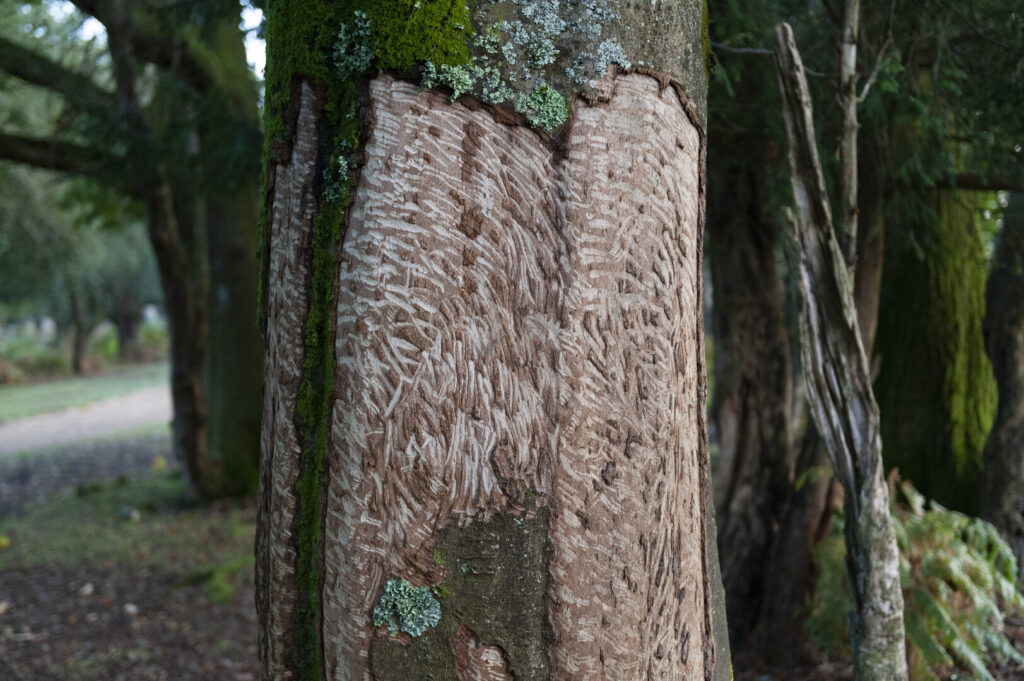
What are the issues?
Parts of the New Forest National Park and surrounding area have three to four times the sustainable deer population size which allow natural regeneration of woodland, with five species of wild deer impacting on our habitats, farmland and other green spaces.
A national Deer Impacts Policy Statement of February 2026 states: ‘England’s wild deer are an iconic feature of the countryside, with historic and cultural significance. Within naturally functioning ecosystems, deer can help maintain diverse habitats through their browsing habits, but when this becomes excessive damage can result.’
Deer are an essential part of woodland ecology but when numbers are high they can cause serious damage to woodlands and sensitive habitats. They eat and trample vegetation, preventing trees from regenerating, damaging the soil structure and reducing biodiversity, impacting other species like woodland birds and butterflies. The deer browse on saplings and small trees, devouring wildflowers and native shrubs at a rate that threatens the natural balance of the Forest and its ability to regenerate.
Deer also impact local farming and forestry, damaging crops, impacting woodland management and limiting the amount of grazing and hay produced for Commoners’ livestock.
High deer densities are also linked to increased road traffic accidents, damage to crops, gardens and allotments, and the spread of ticks that carry diseases.
High numbers also mean greater competition for food, potentially leading to serious impacts on the welfare of the animals themselves.
Without urgent action, this damage risks undermining nature recovery in the New Forest.
How are we addressing deer management?
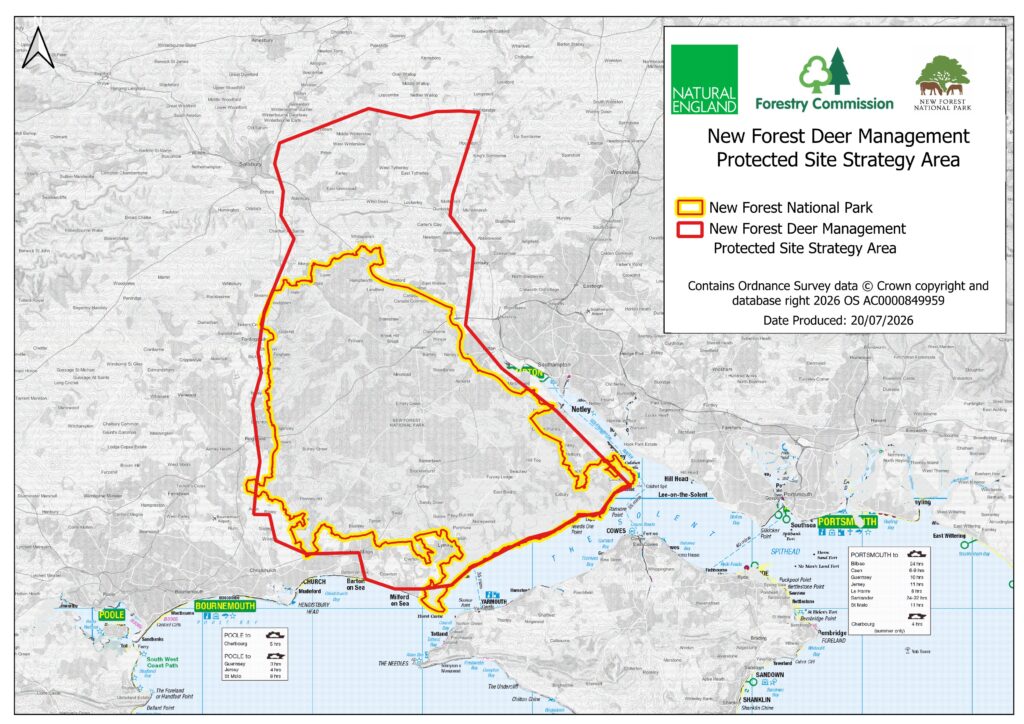
The New Forest National Park Authority, Natural England and the Forestry Commission are supporting landowners and farmers in efforts to control deer numbers in the National Park and surrounding area with a project that will help reverse biodiversity loss, reduce the loss of commercial crops, stimulate interest in a sustainable food source and ultimately help the deer population thrive in balance with its environment.
The project is about:
- Restoring balance
- Learning from what is already going on, building on best practice, current knowledge and experience
- Collaboration – local input is vital.
- A long-term, landscape-scale approach which is scientific and evidence-led, using local knowledge and experience.
The New Forest deer management project will bring people and evidence together to identify the actions needed to build and embed sustainable deer management for the long term and across the whole landscape for the first time.
By working in partnership, there is huge potential to rebalance our ecosystems, improve woodlands and deliver lasting benefits for local habitats.
Similar schemes in other areas are reporting that this evidence-led approach is already showing results, with more balanced deer numbers enabling natural regeneration of vegetation and ultimately contributing to balanced herds and greater biodiversity.
Working together, we aim to ensure that these iconic animals, part of the New Forest story for centuries, can play a critical role in nature conservation and are not negatively impacting our special and unique habitats.

Sub projects
The project includes:
-
- learning from local experience and what has worked so far
- gathering data and evidence to make sure any actions are also based on scientific evidence
- ensuring people have the right skills, knowledge and capacity to reduce deer numbers.
- supporting the infrastructure for a venison market to ensure meat sourced through responsible population management is sold locally as high‑quality produce.
- Celebrating the cultural heritage of deer in the New Forest.
'It’s going to take a concerted effort by landowners, environmentalists, deer stalkers and deer experts to agree what a long-term ecological balance means for the New Forest and how we’re going to achieve that together.’
New Forest Deer Management Strategy project lead John Stride
Deer species
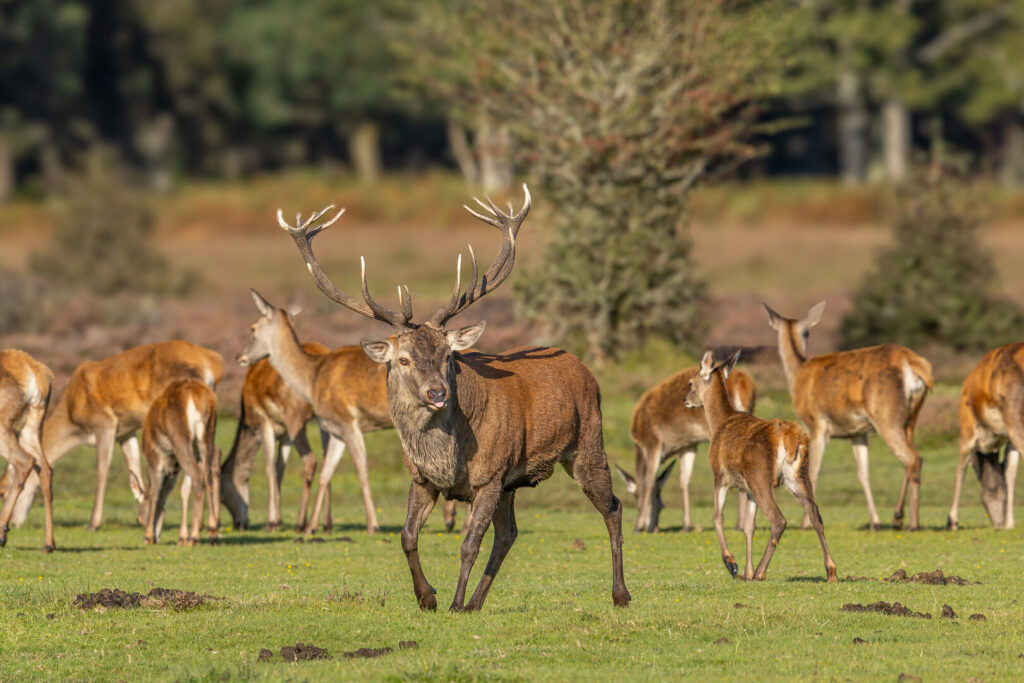
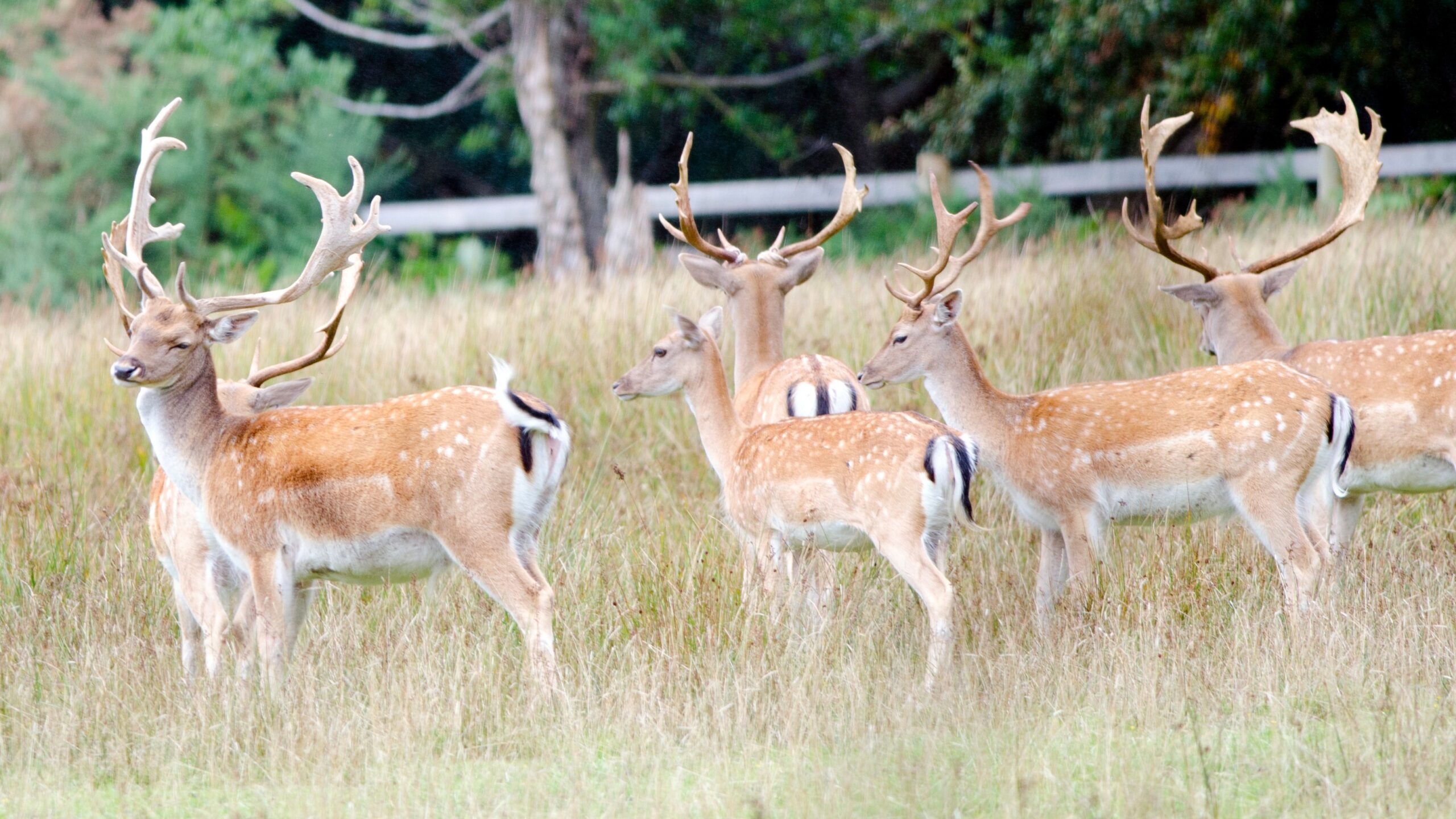
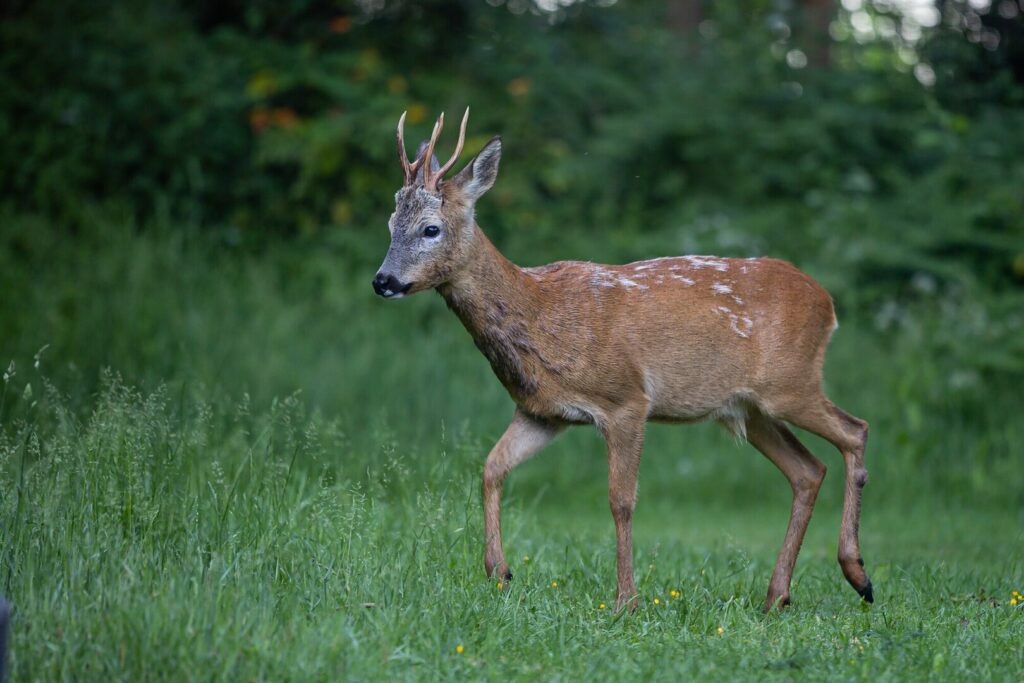
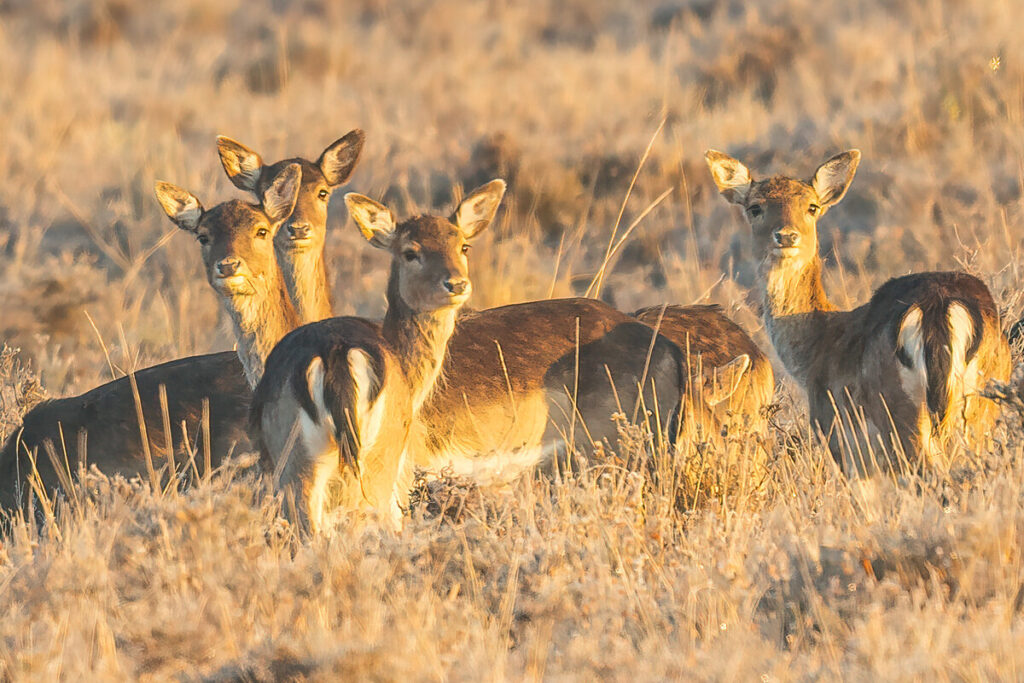
The New Forest has five of the six species of deer found in the UK. Red and roe are regarded as native to the New Forest but fallow, sika and muntjac deer are introduced species, creating further pressure on the sensitive landscape.
Roe deer
Fallow deer
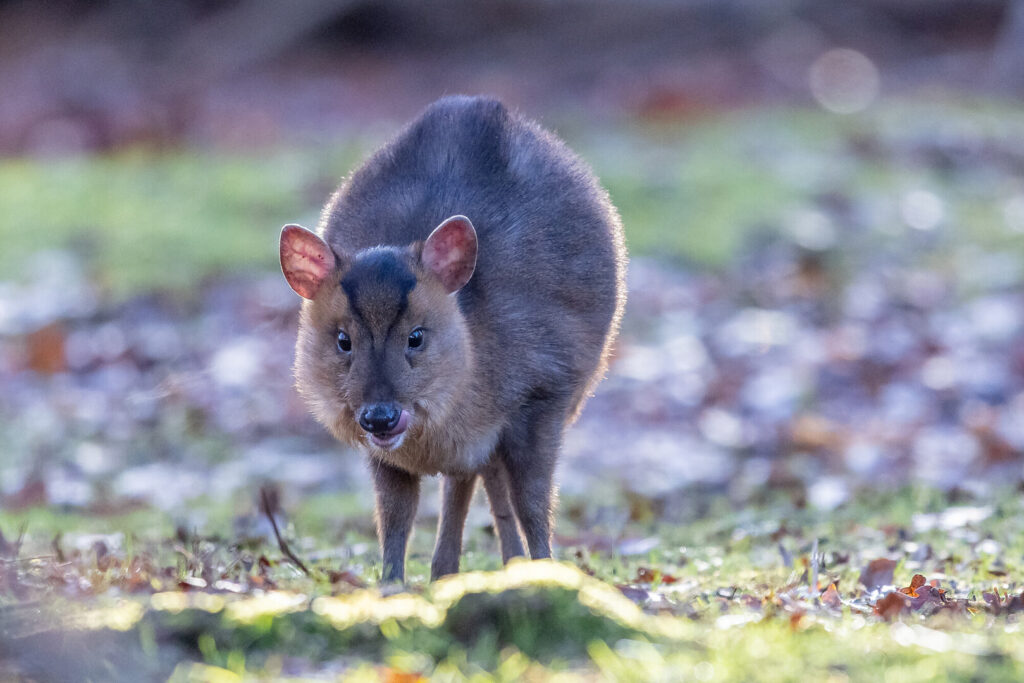
Muntjac
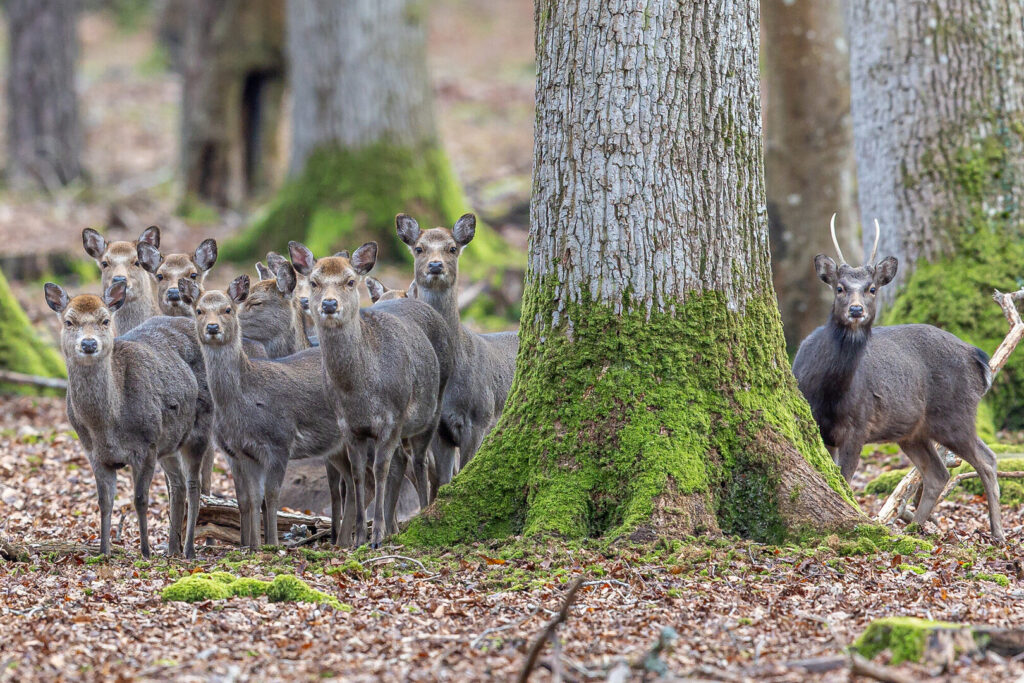
Sika
What are Protected Site Strategies?
The New Forest National Park Authority (NFNPA), Natural England and the Forestry Commission have been awarded £240,000 over the next few years through Natural England’s national Protected Site Strategies (PSS) programme.
These play an important role in delivering the Environment Act 2021 ambition to recover nature for future generations, by bringing together stakeholders to address on- and off-site pressures on protected sites (such as Sites of Special Scientific Interest – SSSIs) to help restore our most precious habitats, species and landscapes.
Five pilot projects which ran between 2022 and 2025 tested a partnership approach to resolving a range of issues affecting SSSIs at a landscape scale.
The New Forest PSS will help to gather evidence to inform the rollout of PSSs to other protected sites.
For more information see: National Deer Impacts Policy Statement
Deer management project news
Deer management project partners