11 October 2018
Our Past Our Future
Huge wins for nature
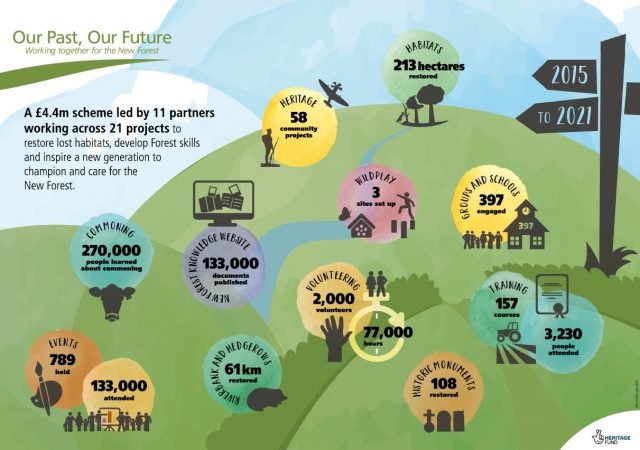
- More than 210ha of habitat was restored – equivalent to around 320 football pitches.
- Flora thrived and attracted more wildlife at newly managed woodlands across the New Forest. Butterflies, bumblebees and birds were boosted by the restoration of important areas for nature.
- Wild flowers flourished along more than 50km of riverbanks where 600 volunteers have helped remove huge swathes of invasive non-native plants.
- The National Trust’s Foxbury site was transformed with 20,000 native trees planted and a huge increase in wildlife.
- 21,000 wildlife sightings were recorded at selected sites within the scheme, highlighting the huge success of habitat restoration efforts. Rare woodland bats were seen, rare bird species spotted and almost half of the UK’s species of bumblebee recorded.
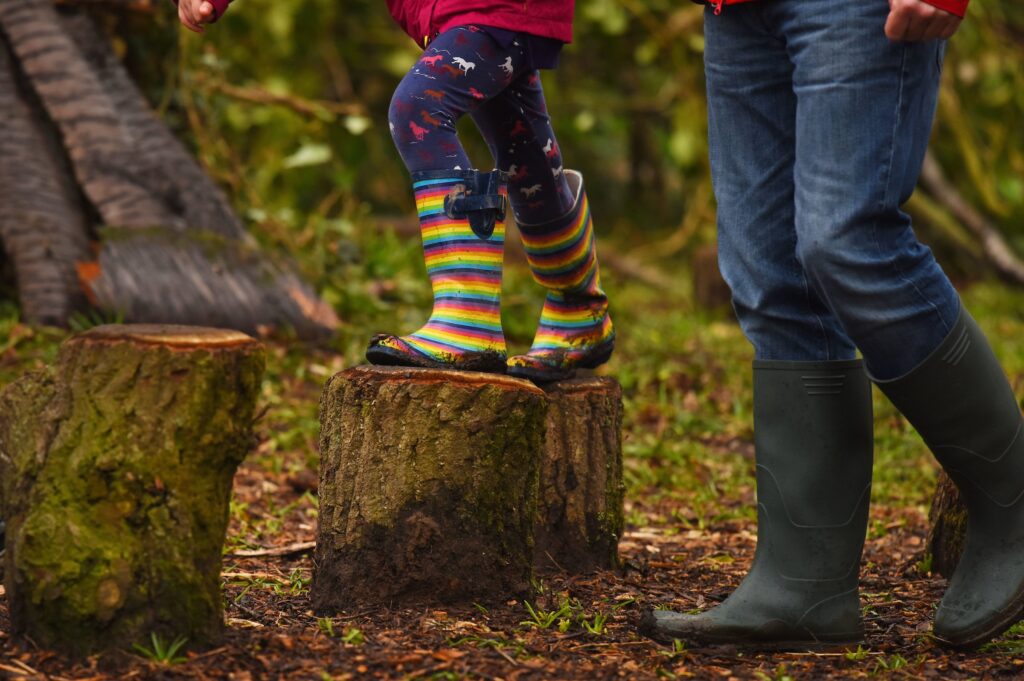
Thousands involved with new connections forged, heritage discovered and new skills learnt
- 270,000 people learnt about commoning – the right to graze animals on the Open Forest – through events, exhibitions, groups, educational materials and social media.
- Three permanent wild play areas have been created in partnership with parish councils.
- An incredible archive of New Forest photographs, maps, memories and more is now available at nfknowledge.org, a website which boasts more than 133,000 searchable records.
- A total of 108 historic monuments were restored. A highly significant Bronze Age monument dating back more than 4,000 years was revealed when archaeologists and volunteers discovered a ring ditch monument during excavations in Beaulieu.
- Villagers in Burley spent a bank holiday weekend digging 50 excavation pits in gardens and at community sites to reveal the village’s past.
- More than 3,200 commoners, farmers, residents and landowners learnt new skills through a range of training courses and mentoring partnerships.
- Campaigns to promote key forest-friendly messages were developed, such as ‘add three minutes’ to journeys through the Forest to reduce animal accidents. More than 60 businesses started promoting these messages to their 3,000 employees, while social media posts gained huge reach online.
- A toolkit was designed for primary aged children to be used as part of the school curriculum to help them appreciate the New Forest and the important role of commoning.
- More than 130,000 people discovered what makes the New Forest special through events including walking festivals, tours, exhibitions and family activities.
- Eight trainee rangers experienced paid apprenticeships, benefitting from experience with a range of organisation as well as attending college.
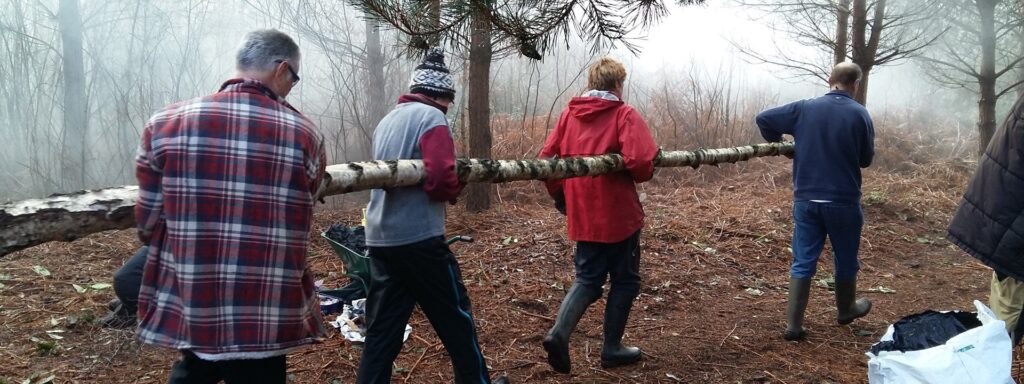
The value of volunteers
One of the biggest successes of OPOF was the time and effort its incredible volunteers contributed.
Around 2,000 people volunteered for the scheme, giving 77,000 hours of their time on a range of opportunities, including archaeological surveys and research, historic routes research, events, practical conservation tasks, water quality monitoring and biological surveys
Who were the partners involved in the OPOF scheme?
Thanks to the hard work of all those involved, OPOF achieved most of its targets and aspirations. It was also hailed an outstanding example of successful partnership working in the New Forest. An external evaluation found it created a ‘step change’ through a new, collaborative culture, with the partnership at its core.
The partners involved in OPOF were:
Hampshire and Isle of Wight Wildlife Trust
Our Past Our Future documents
-
-
11 October 2018
OPOF infographic
-
11 October 2018
OPOF Newsletter Apr 2019
-
11 October 2018
OPOF Newsletter Jan 2018
-
11 October 2018
OPOF newsletter July 2018
-
11 October 2018
OPOF newsletter July 2017
-
11 October 2018
OPOF newsletter May 2017
-
11 October 2018
OPOF newsletter May 2016
-
11 October 2018
OPOF newsletter November 2016