Commoning tradition
Rooted in the Forest
The New Forest’s commoning traditions and culture are deeply rooted in the region’s history and are a testament to the community’s enduring values and practices.
In 1069 William the Conqueror designated the area we now call the New Forest as a Royal Hunting reserve shortly after the Norman Conquest. To protect the game he wanted to hunt, he introduced Forest Law to the area. This meant that the land could not be enclosed for agriculture. In exchange, the local population was given the right to graze its animals within the hunting reserve – at least during certain periods of the year – and a number of
other rights (such as to collect fallen timber for burning and clay as fertiliser).
The rights meant that small holders were able to make a living on very small areas of land: a situation that continued up to recent times. In 1883 local landowner and defender of the Commoners’ rights George Briscoe Eyre described the open Forest as the ‘cottager’s farm’, the source of his livelihood and of a modest capital. Even as late as 1947 the Baker Report to Parliament stated that a Commoner ‘could keep three times as many cattle on a small holding in the New Forest as on 50 acres in the Midlands’ (Report of the New Forest Committee 1947, p46).
Rights of Common
Common rights are attached to properties or land in and around the New Forest rather than to a person.
There are six rights:
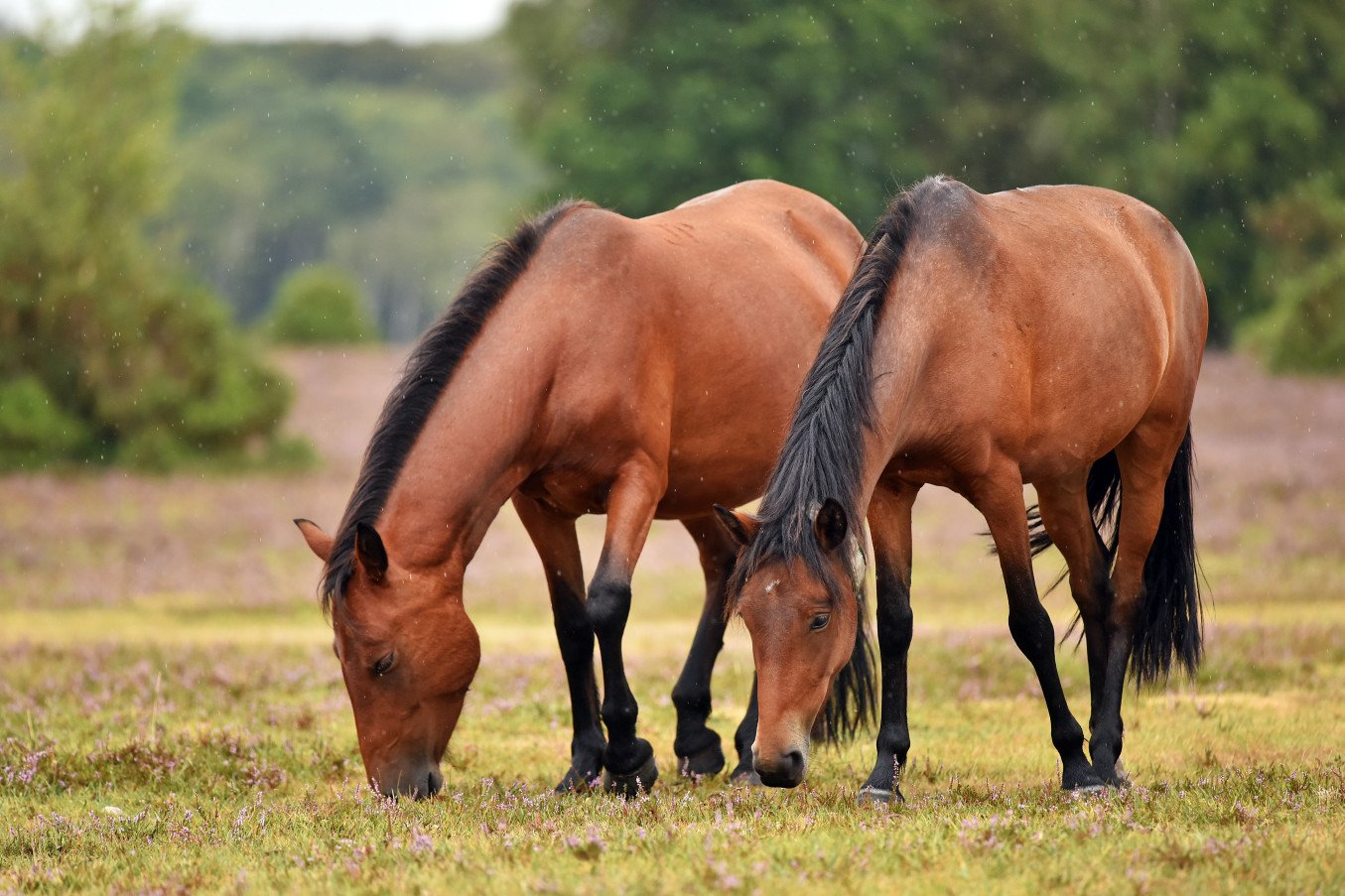
- Pasture – the right to graze ponies, cattle and donkeys on the open Forest.
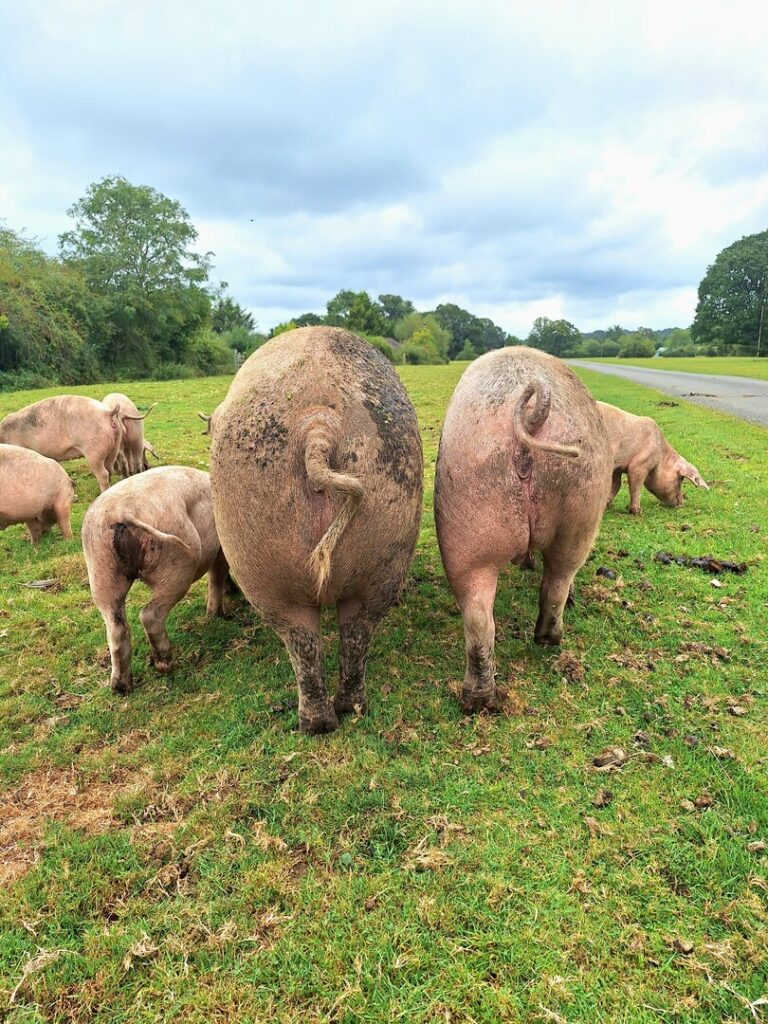
- Mast – to turn out pigs during the pannage season in autumn to eat the acorns which are poisonous to ponies.
- Estovers – the right to cut wood for fuel.
- Sheep – turn out sheep to graze (only exercised by a few Commoners in the north of the Forest)
- Turbary – cutting peat for fuel (no longer exercised)
- Marl – digging clay to fertilise fields (no longer exercised)
Who are the Commoners?
New Forest commoners are mostly small land owners and renters, though some farm on a larger scale. The income from commoning is often small and almost all Commoners have other sources of income. They may work in other Forest-related occupations, such as forestry, as farm labourers or cattle dealers or they could be council workers, teachers, nurses, shop workers, secretaries or carpenters – in fact anyone who lives in the New Forest and has the
right to turn animals onto the heath could be a Commoner.
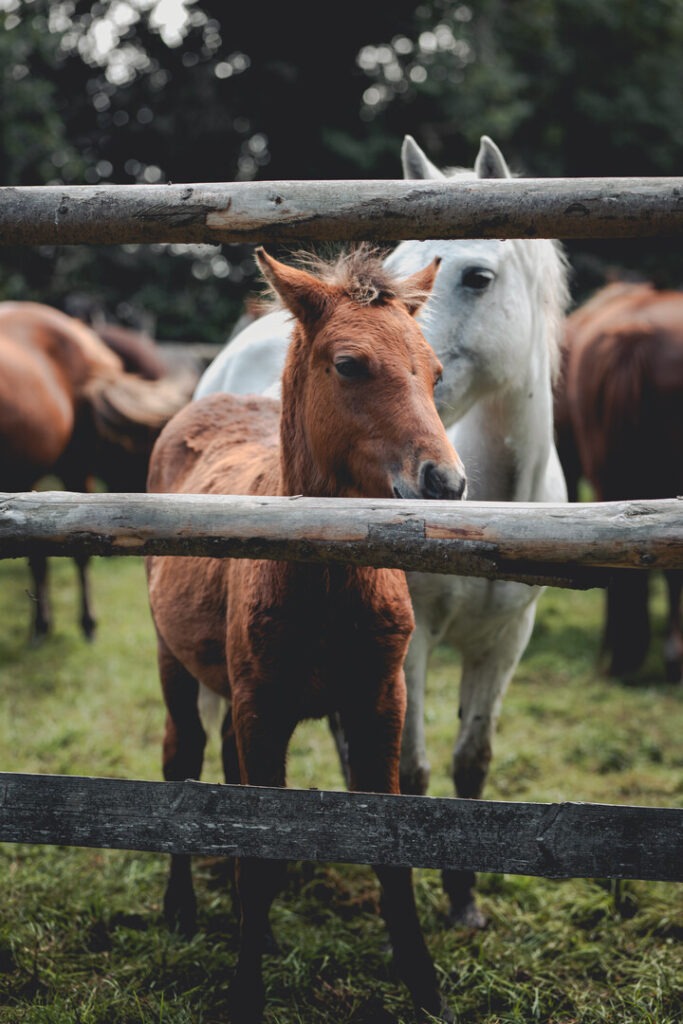
Customs
Commoning customs, dialect, words and traditional practices have been passed down through the generations for hundreds of years. Find out about the challenges commoning faces.
A shared endeavour
Commoning has been based on sharing and working together since the very earliest days. It’s what made it work then and it is the same today. When animals are grazing freely across large areas with no fences to restrict their movement information shared between
one Commoner and their neighbour – or with the agisters and keepers – is vital to manage the herds effectively and care for the animals.
Today Commoners share information, work parties, animals and equipment. They socialise together and often marry other Commoners. In this way, they ensure that the community remains strong and the traditions of commoning continue into the future.
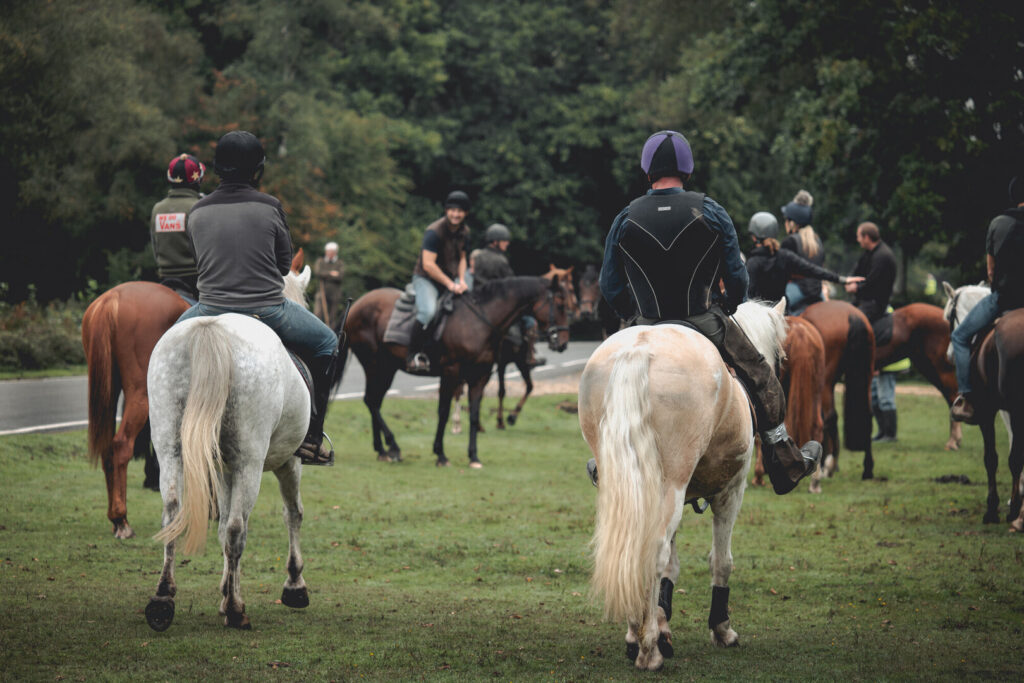
Community activities
The commoning calendar includes community activities like annual drifts or pony round-ups, shows and sales, giving Commoners the opportunity to gather and share their experiences, knowledge and expertise.