Keep your distance from the animals and don't feed or pet them - you may be fined.

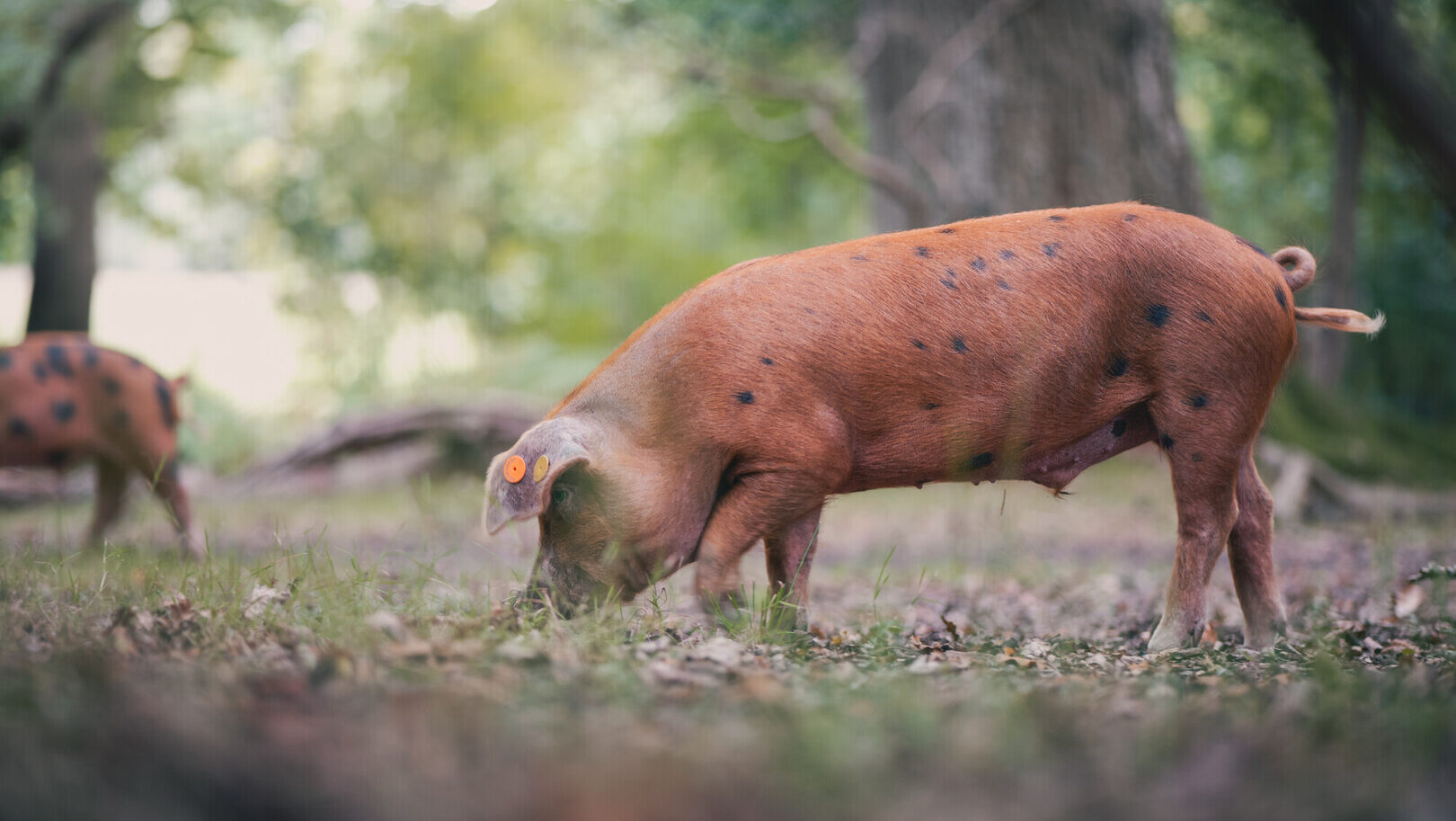
Spotted brown pig with ear tags grazing on forest floor, with another pig blurred in the background

Pannage

It's 07:14 Overcast, 17°C

New Forest pannage

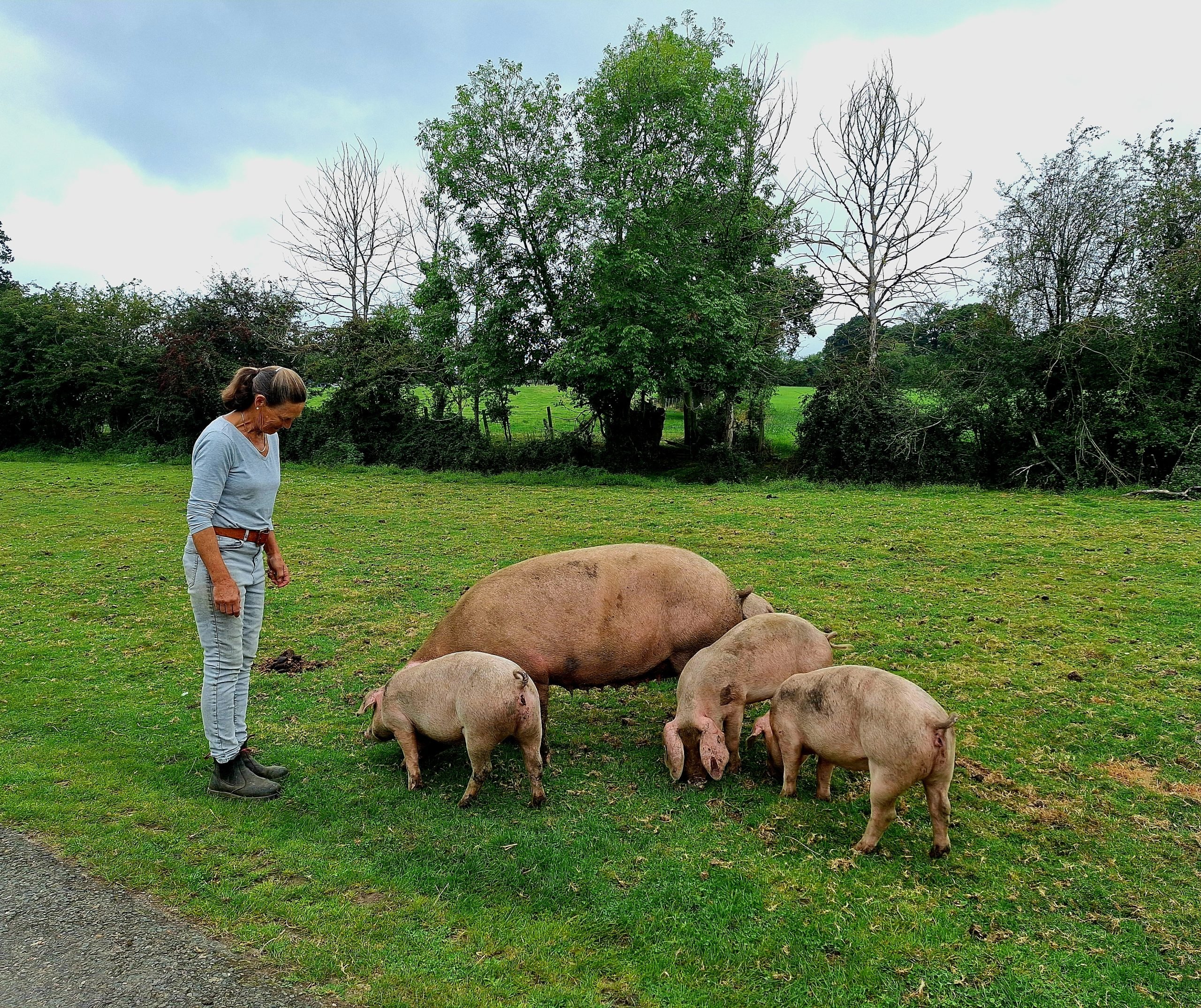
Every autumn, one of the New Forest’s oldest traditions returns as Commoners turn out their pigs for pannage season.

For a limited time, pigs roam across the Forest, feeding on fallen acorns, beech mast, chestnuts and other nuts.

While it is a centuries-old practice, pannage remains an important part of New Forest commoning today, helping Commoners manage their livestock while continuing a tradition that has shaped the Forest for generations.

600

Around 200–600 pigs may be turned out on the New Forest during pannage season

6,000

In the 19th century, as many as 6,000 pigs were turned out during pannage

1,000

The tradition of turning pigs out to feed on the Forest's autumn acorn crop dates back to around the time of William the Conqueror, making it almost 1,000 years old

60

Pannage lasts for at least 60 days, running through the autumn and sometimes winter months

pannage pigs at sunrise

When is New Forest pannage season?

Pannage season dates are set each year by the Verderers of the New Forest and can vary depending on conditions and the availability of autumn mast.

In 2026, the season starts on Monday, 14 September and runs through until Sunday, 29 November.

During the season, Commoners with Right of Mast can turn their pigs out onto the Forest to feed on fallen nuts, particularly acorns as they can prove toxic to ponies and cattle if consumed in large amounts.

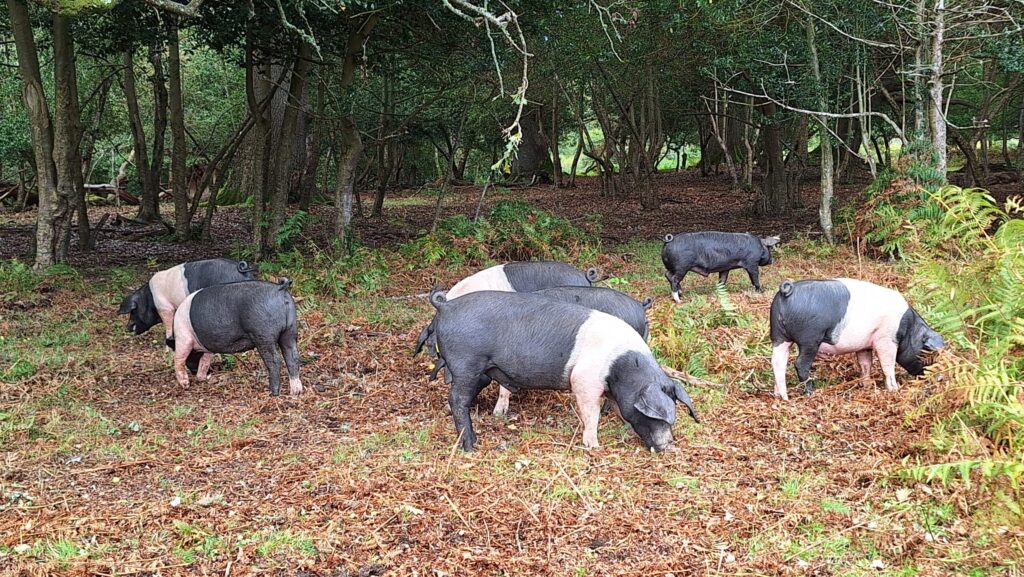
Five black-and-white pigs foraging on leaf litter and ferns at the edge of a wooded area in the New Forest

What is pannage?

Pannage is the traditional practice of allowing pigs to roam freely on the New Forest to feed on fallen acorns, beech mast, chestnuts and other nuts.

The practice dates back centuries and is one of the traditional common rights associated with the New Forest.

For Commoners, pannage continues to have a practical purpose as it allows pigs to make use of a natural food source at a time of year when nuts are plentiful, while helping to maintain a living link with the Forest’s commoning traditions.
Keeping pigs and continuing pannage helps maintain the connection between today's Commoners and the traditions of previous generations. It's also a reminder the New Forest is not simply a wild landscape, but one shaped by people, livestock and traditional management for centuries.

Pigs on the common

Why are pigs allowed to eat acorns in the New Forest?

Acorns are an important part of the pannage tradition, but they can be harmful to livestock such as ponies, cattle and donkeys when eaten in large quantities.

Pigs are able to eat acorns safely and can help Commoners make use of this seasonal natural food source.

As a result, pannage plays an important role in the traditional management of livestock on the Forest.

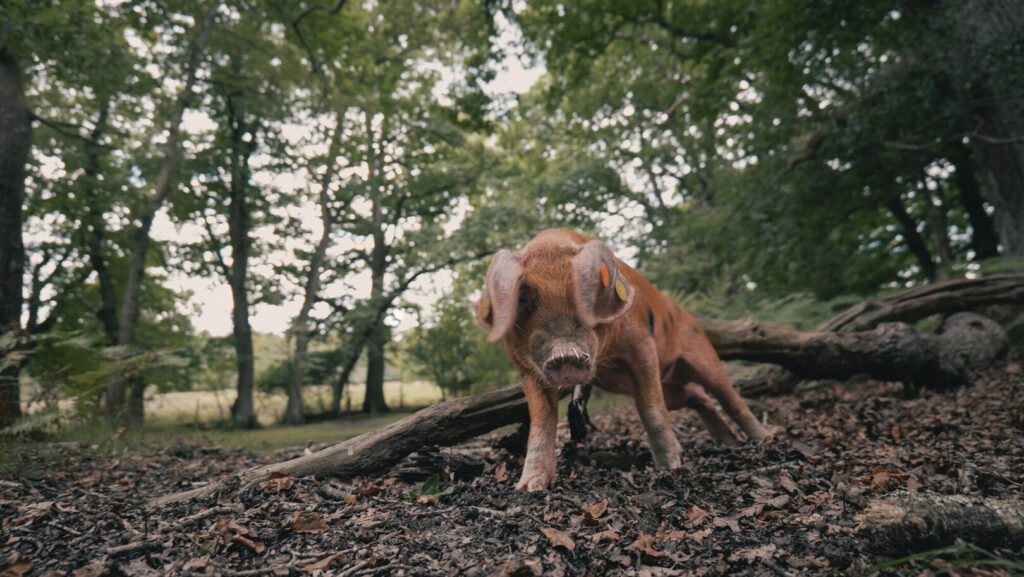
Brown pig with ear tags and ringed snout standing on leaf-covered ground in a wooded area near a fallen log

Where can I see pigs during pannage?

There are no set locations for where the pigs will be during pannage season in the New Forest.

They could be roaming anywhere on the open Forest – it depends on where the best acorns are!

Please do not go looking for the pigs as they are doing an important job in the wider ecosystem of the Forest.

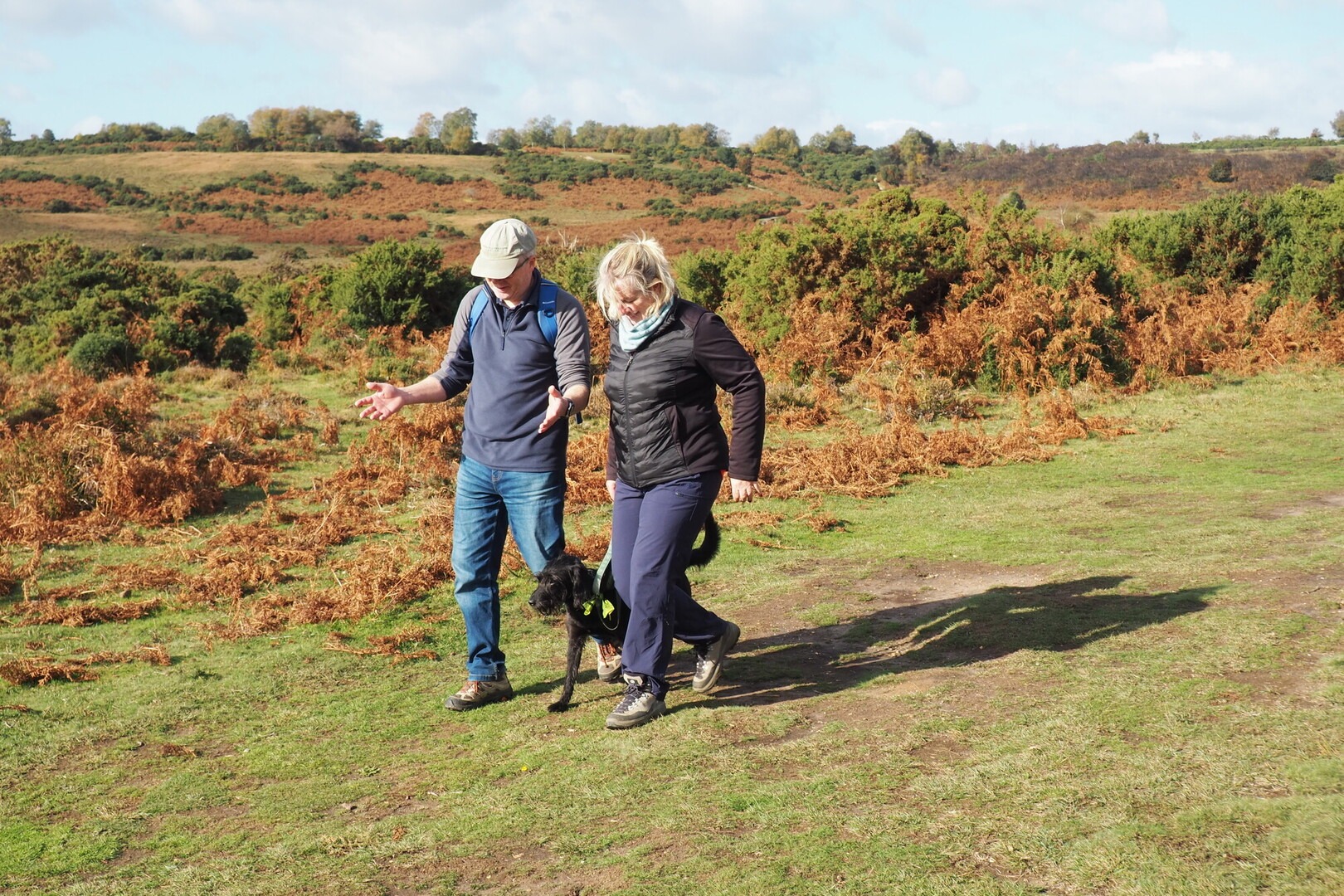
If you do come across the pigs, admire them from a distance.

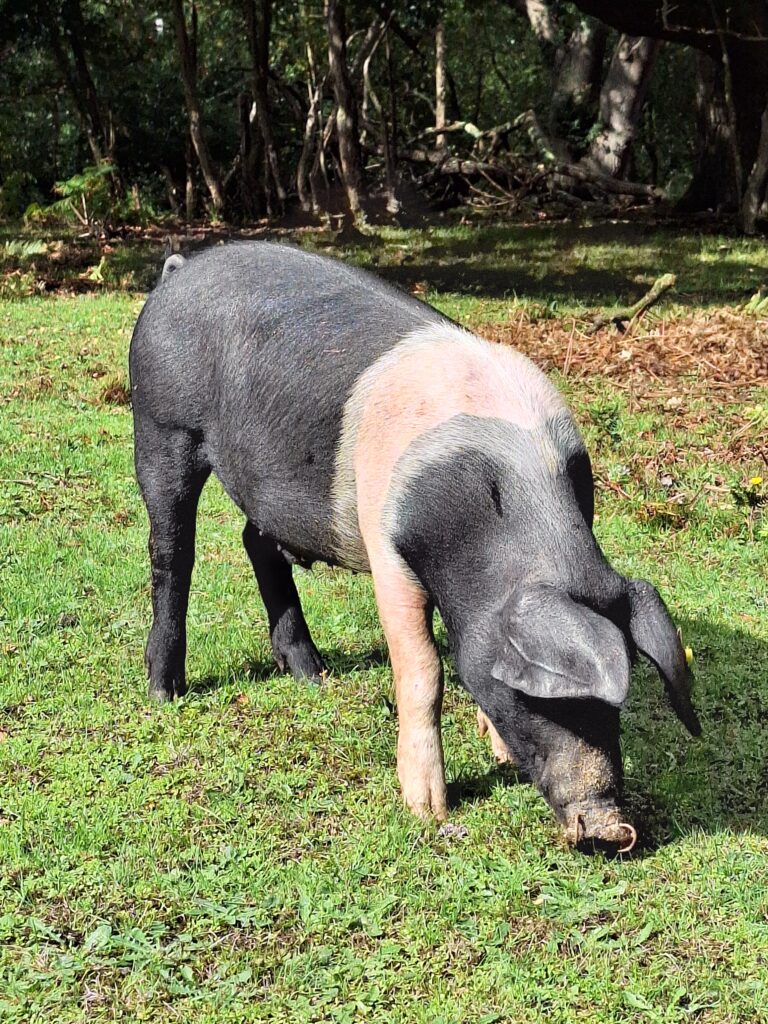
Black and pink pig grazing on grass near a wooded area

What do New Forest pigs eat during pannage?

During pannage, pigs primarily feed on fallen acorns and other autumn mast, including beech mast, chestnuts and fallen fruit.

The amount of available food varies from year to year depending on weather conditions and the production of nuts by trees across the Forest.

Certain years provide copious amounts for the pigs and this is known as a ‘mast year.’

This is a natural phenomenon when oak trees produce an exceptionally large number of acorns simultaneously across a population.

It is not an annual occurrence but usually happens every two to five years, depending on the species and environmental conditions.

Pigs are natural foragers and are well suited to finding and eating this seasonal food as they roam.

Pigs can be seen in many parts of the New Forest during the pannage season. As with all New Forest livestock, if you do see pigs, please give them plenty of space and enjoy watching them from a safe distance.
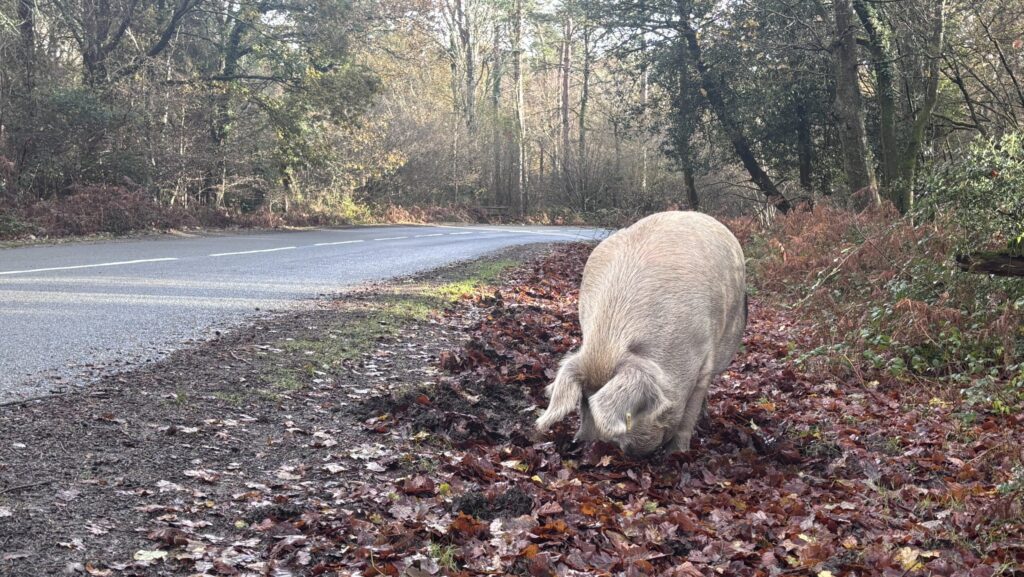
Pannage pig foraging in fallen leaves beside a New Forest road, wooded trees in background

Can I feed or touch a New Forest pig?

No. You should never feed or touch New Forest pigs.

Pigs have plenty of natural food available during pannage season and feeding them can encourage animals to approach people.

Feeding livestock can also alter their natural behaviour and create risks for both animals and people.

Even if a pig appears calm or friendly, it is important to remember that it is not a pet.

Give the animals space and allow them to forage naturally while not being touched or fed.

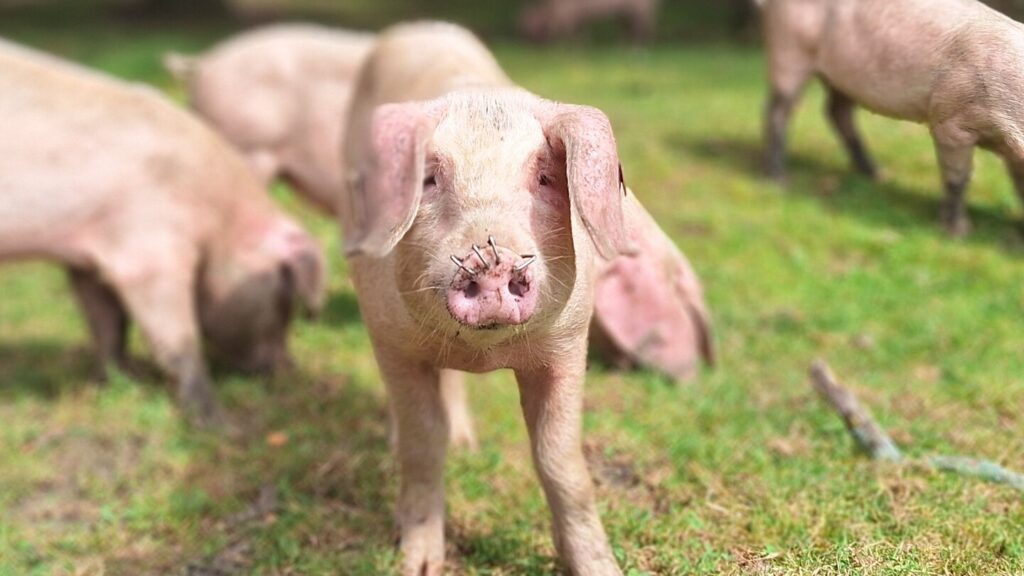
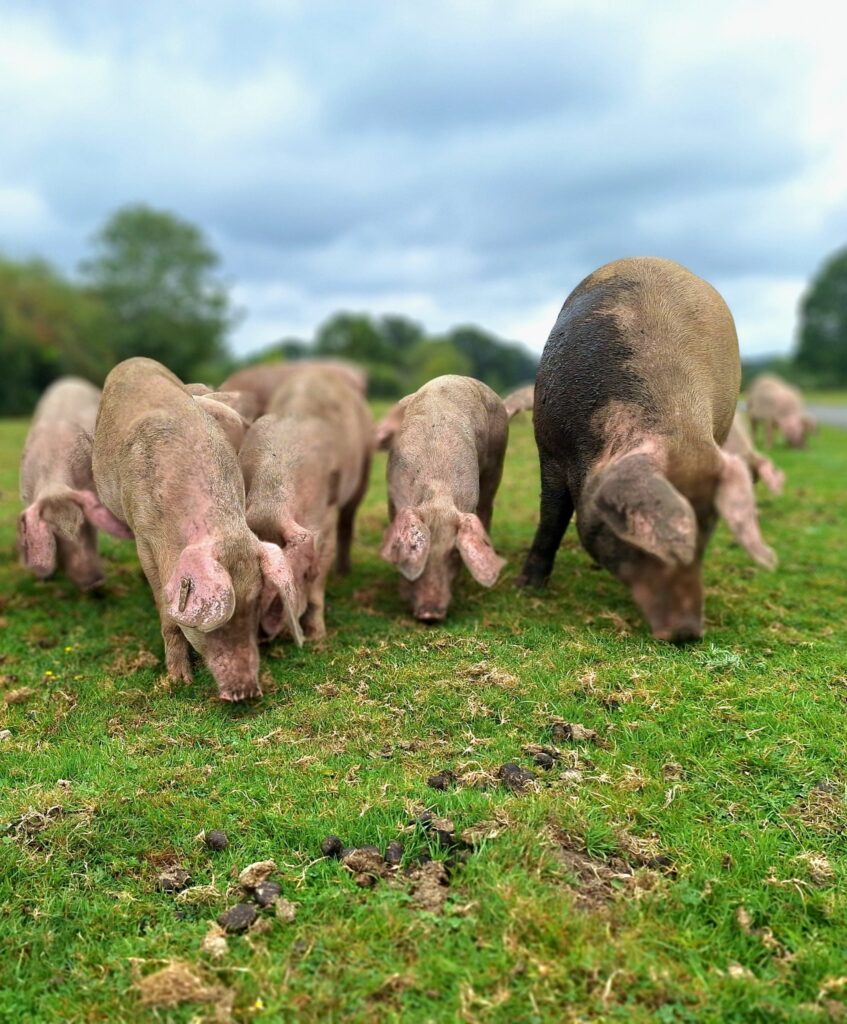
Close-up of a New Forest pannage pig on grass, facing the camera with other pigs blurred in the background

Why do the pigs have rings in their noses?

The pigs have rings in their noses to prevent them from rooting too deep into the soil.

They are still able to eat fallen food but the rings ensure foraging is more difficult and the ground is not churned up in excessive amounts.

This is particularly important here in the New Forest, given the precious mosaic of habitats – from heathlands and grasslands to wetlands and woodlands – which form the unique landscape.


Top tips for visitors during pannage season

Visitors to the New Forest can help protect both livestock and the tradition of pannage by following a few simple rules:

  • Don’t feed the pigs
  • Give livestock plenty of space
  • Keep dogs under control
  • Slow down and be prepared to stop near livestock
  • Admire pigs from a safe distance
  • Never chase, touch or attempt to move livestock
  • Follow the New Forest Code and respect the Forest and its wildlife

Did you know?

Pannage pigs are marked and identified. Each pig turned out is marked with an identity tag in its ear and has a ring put through its nose to limit excessive rooting in the soil.