
Best Conservation Project 2025 – Rose Cottage, Frogham
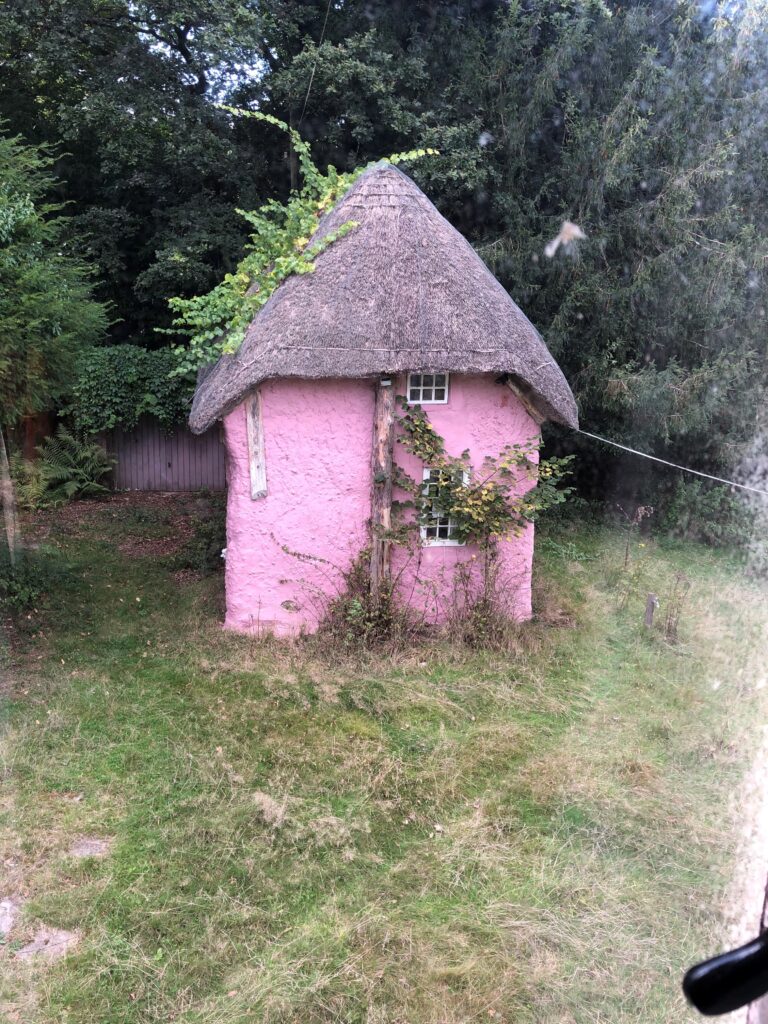
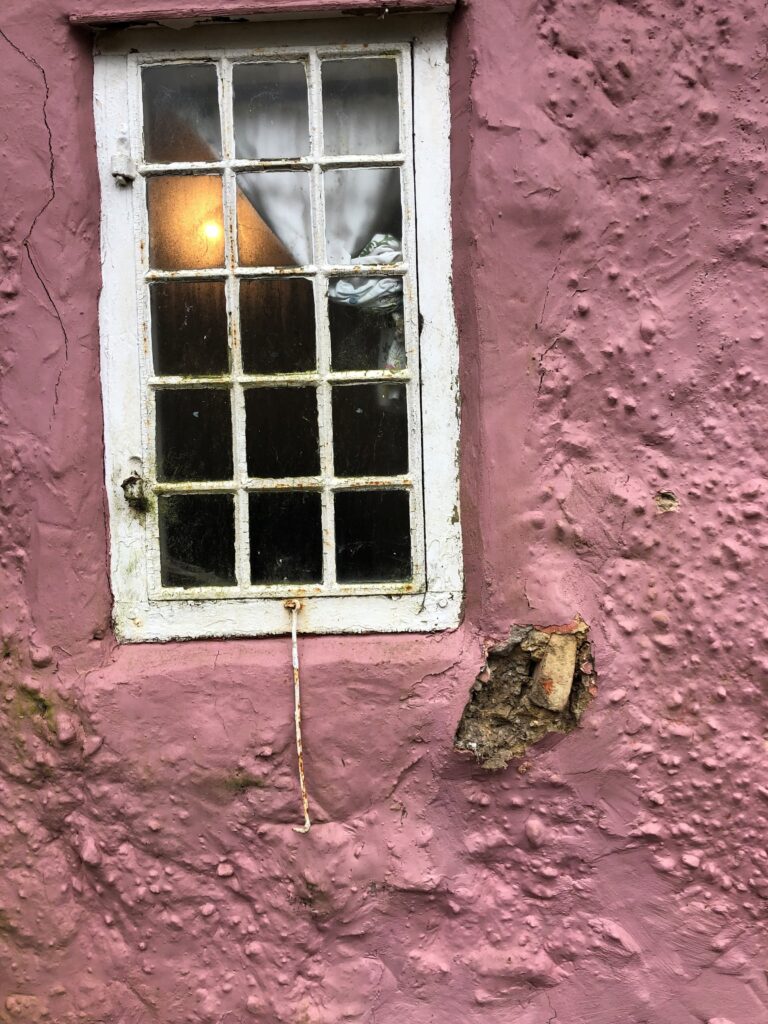
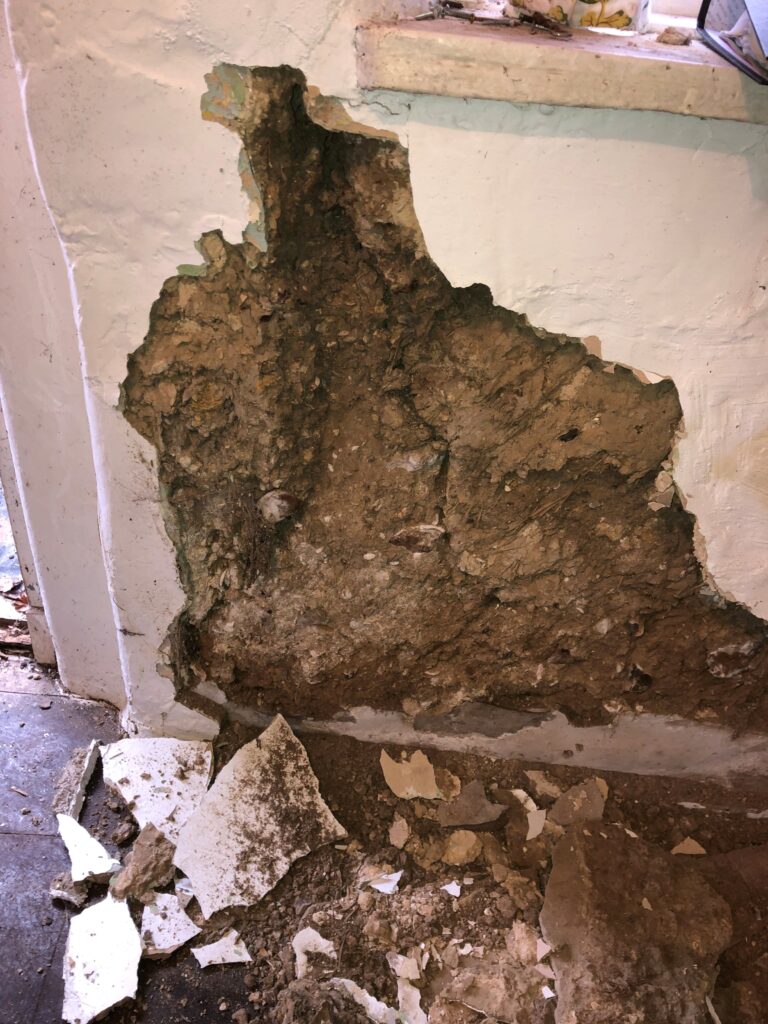
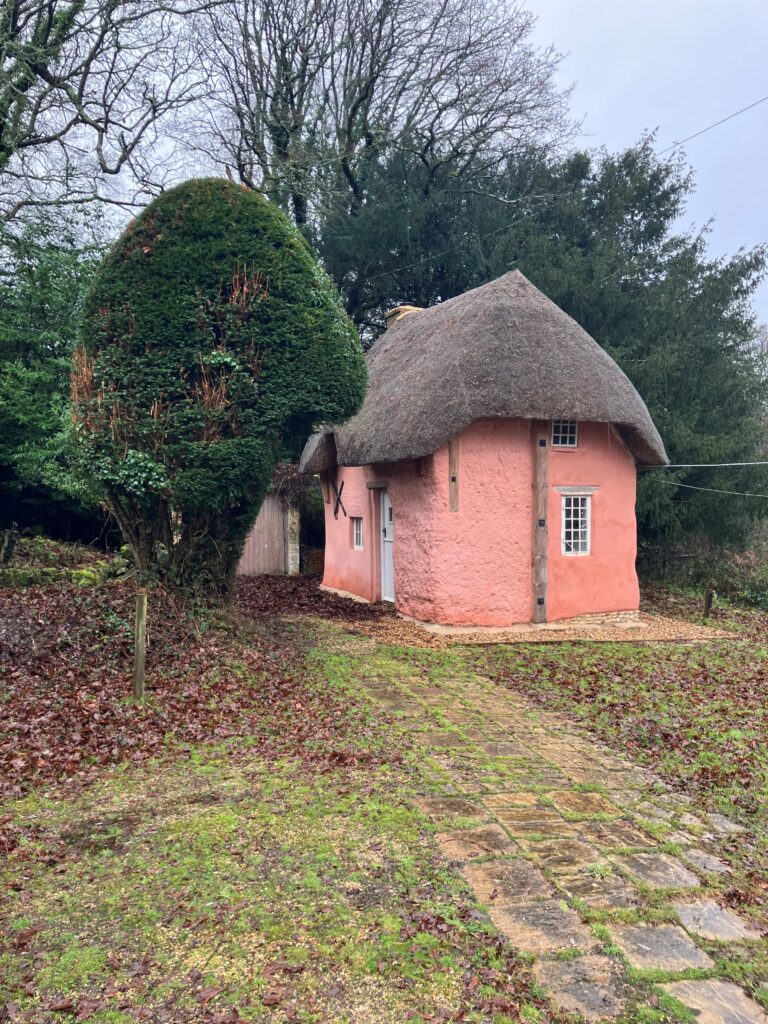
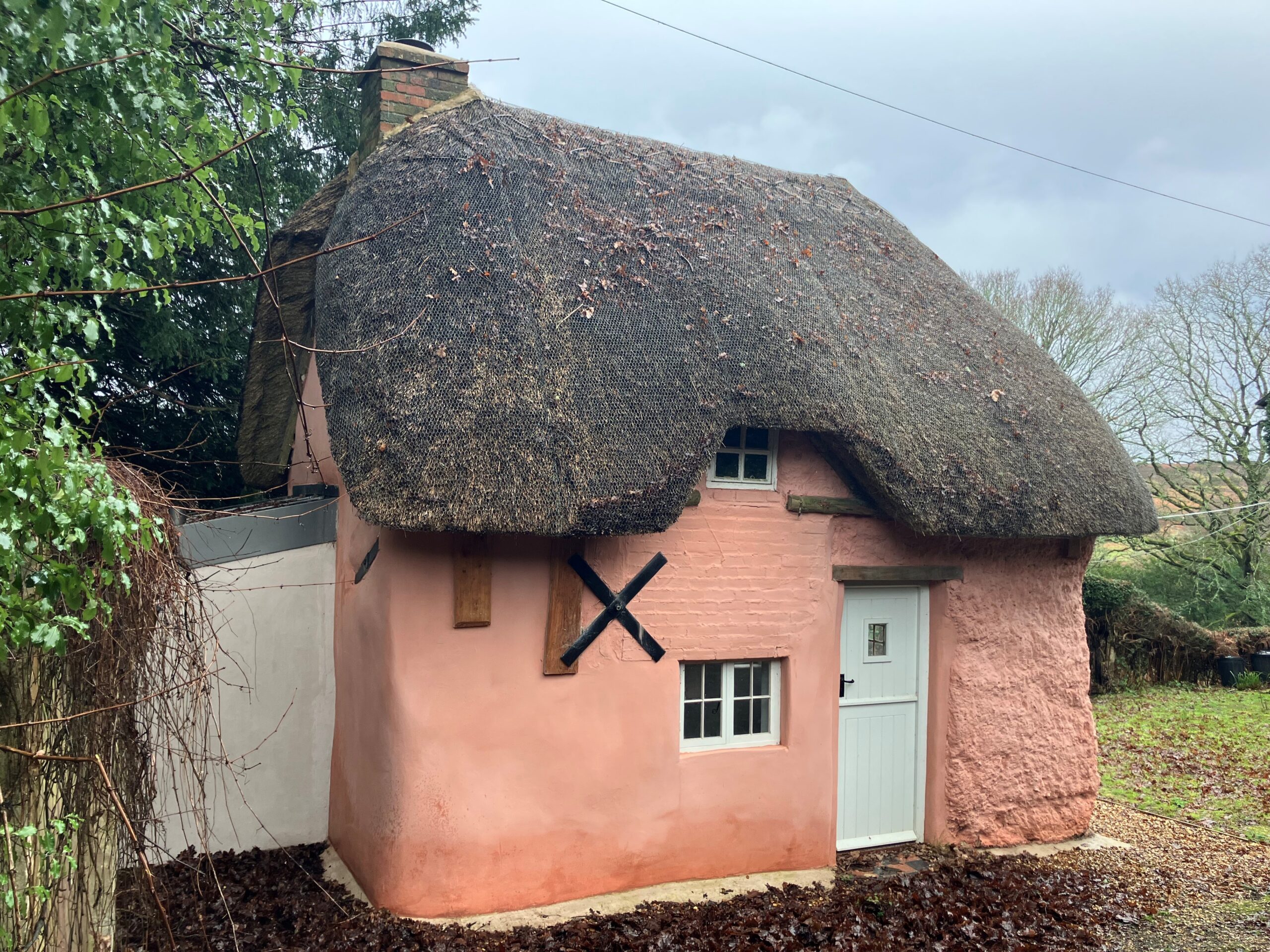
Having stood empty for several years, this Grade II listed thatched cottage beside the Well House, at Frogham End had fallen into disrepair. Originally built of clay cob more than 200 years ago, it had very little structural support, and the internal plaster was crumbling.
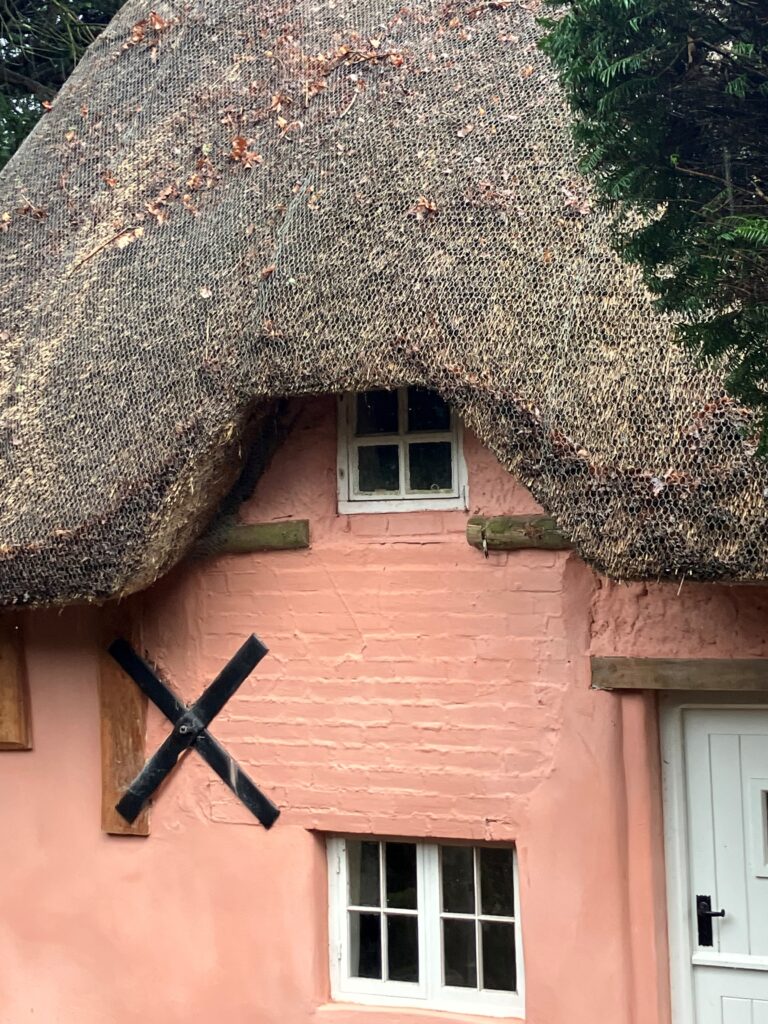
After consulting with the NPA’s heritage conservation team, the new owner ensured the roof and upper mezzanine floor were properly strengthened, before carefully removing the cement render to make repairs to the front of the cottage.
When a rear wall collapsed during the repairs, it was reconstructed using the original materials and traditional techniques, helping to preserve the cottage’s historic and architectural character.
A single-storey lean-to extension was also sympathetically rebuilt, ensuring the building remains both functional and true to its heritage. The fresh coat of Rose of Jerico tallow limewash was matched to the cottage’s original colour.
Rose Cottage is a rare example of an ‘encroachment cottage’ which were built directly onto the ground on the edges of Crown land. They were sometimes built in a single night and there was a commonly-held belief at the time that if you could build a house on unenclosed land between sunset and sunrise then the owner of the land couldn’t expel you.
The cottage was listed Grade II (1167182) in 1987 and was once the home of noted herbalist Juliette de Baïracli Levy. More recently it was used as an artist’s studio by local author and artist Irene Soper. It is a much cherished and noted building locally and features in Historic England’s Practical Building Conservation series on Earth, Brick and Terracotta (page 101).
The judging panel said the renovation was ‘an exemplary celebration of the New Forest vernacular’, with an owner who is passionate and knowledgeable about historic buildings and employs skilled heritage craftspeople.
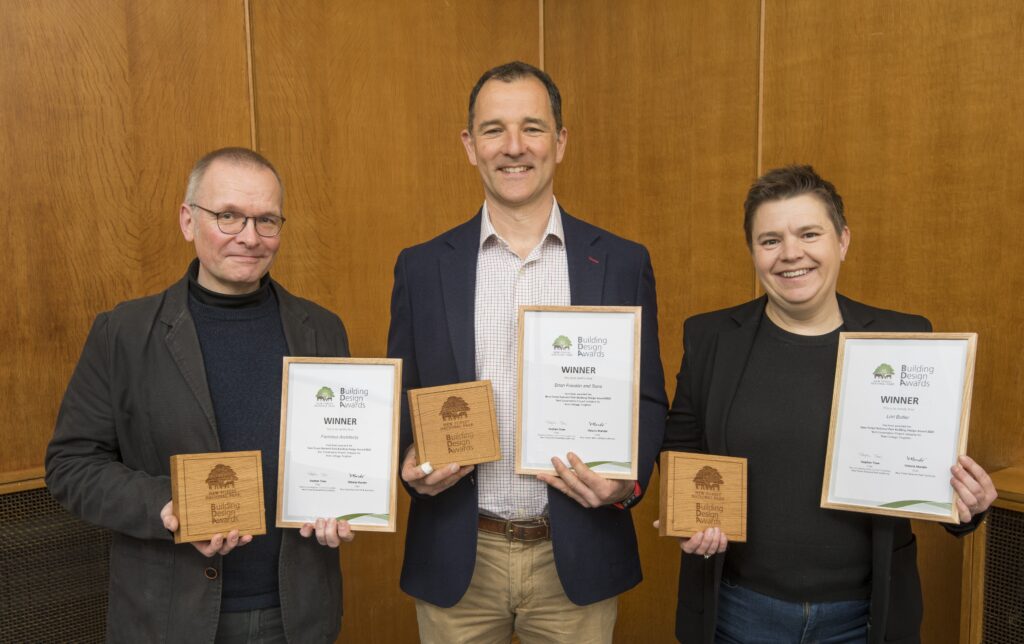
Owner Lori Butler thanked Salisbury-based Favonius Architects; structural engineers at Romsey-based Andrew Waring Associates, and Salisbury-based builders Brian Franklin and Sons for their part in the restoration process.