| Issued by New Forest District Council on behalf of the partners involved in the recovery from the A31 Picket Post heathland fire.
Local organisations involved in the response to the Picket Post heathland fire are working together on the longer-term recovery of the New Forest impacted areas, businesses and communities. The fire, which started on 9 August 2026, affected more than 100 hectares of internationally important heathland and led to the closure of the A31 with significant disruption for residents, businesses and visitors. With the fire now extinguished and the A31 reopened, the focus has moved to looking at what actions can be taken to support the affected communities, businesses, and landscape and ensure future resilience to prolonged droughts and wildfires. Cllr Jill Cleary, Leader of New Forest District Council (NFDC), said:
The environmental impact of the fire is still being assessed. Forestry England’s specialist teams have mapped the affected area, which includes large areas of heathland, mature trees and habitats supporting a wide range of wildlife. The team will draw on their experience of restoring heathlands affected by previous fires to inform recovery plans for the site. Michael Pittock, Head of Planning and Environment at Forestry England, said:
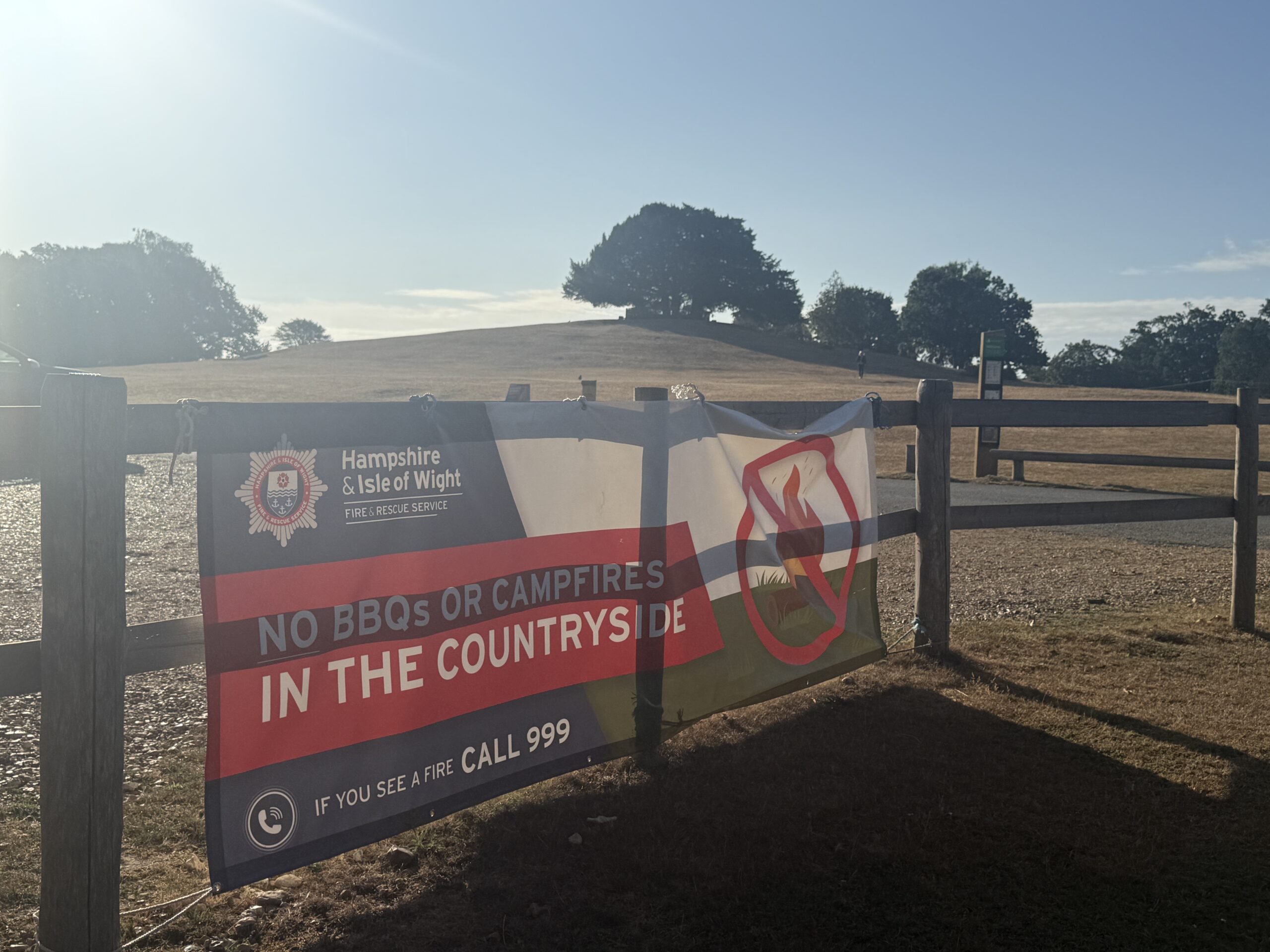
The existing Public Space Protection Order continues to prohibit fires, barbecues and outdoor cooking equipment in the New Forest. Partners will also continue to work on wildfire prevention and preparedness, including capturing lessons from this incident. Victoria Mander, Chair of New Forest National Park Authority said:
Partners are encouraging everyone who lives in, works in or visits the New Forest to help reduce the risk of further wildfires, particularly during periods of hot, dry weather when even a small spark can quickly escalate. Recent statutory guidance from Government on the sale and distribution of disposable barbecues is a welcome step in reducing fire risk, but partners are reminding people that disposable barbecues are only one potential ignition source. Campfires, bonfires, discarded cigarettes, glass bottles and vehicles parked on dry grass can all start fires, causing serious damage to wildlife, habitats and the countryside, placing lives at risk and adding pressure to emergency services. Hampshire and Isle of Wight Fire and Rescue Service Group Manager Larry Mackrell said:
Work will also consider the impact on local communities and businesses, including those affected by the A31 closure and disruption to tourism and passing trade. Partners will use evidence from businesses and communities to understand the scale of the impact and identify where partners can provide support. New Forest District Council is continuing to work with town and parish councils, alongside community and voluntary sector partners, to strengthen community preparedness and resilience. Following discussions with key stakeholders, wider engagement will take place to identify impacts, opportunities for learning and actions that will help build long-term resilience across the district. |
||
|
Contact Information
|