Seedlings from the Sycamore Gap tree planted in all 15 National Parks in partnership with the National Trust
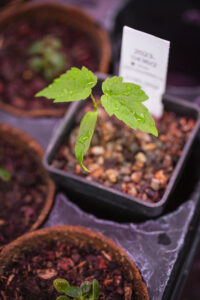
Saplings grown from the original Sycamore Gap tree are being planted across all 15 UK National Parks, creating a living legacy that will connect the nation’s most protected landscapes.
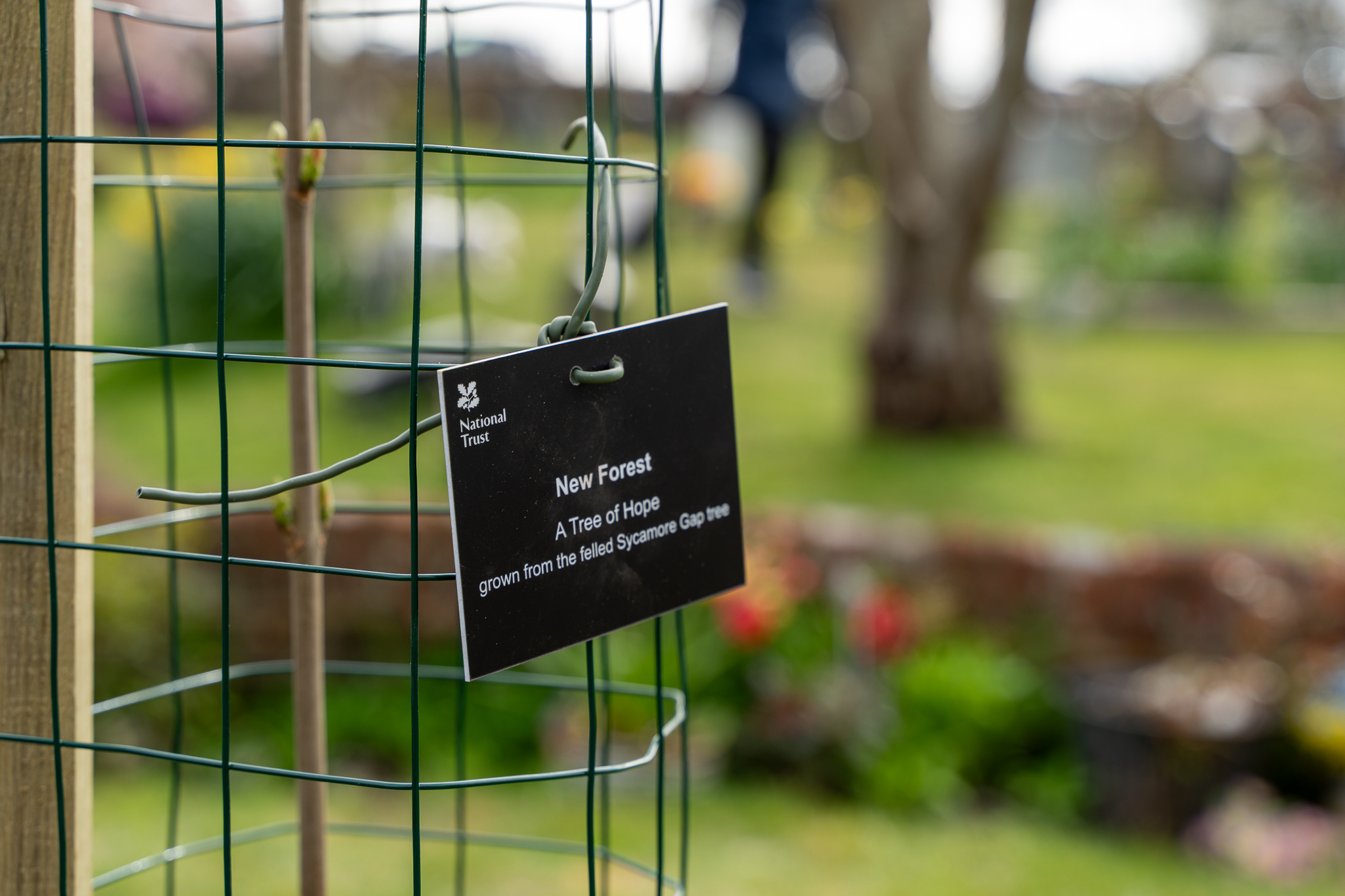
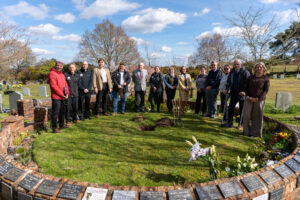
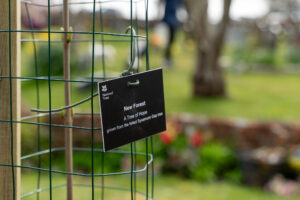
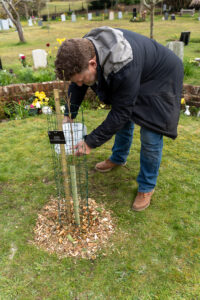
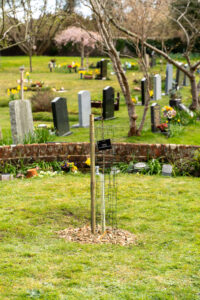
In the New Forest National Park, the sapling has been planted opposite the famous yew tree at Bolton’s Bench, Lyndhurst – a landmark in the unofficial capital of the New Forest.
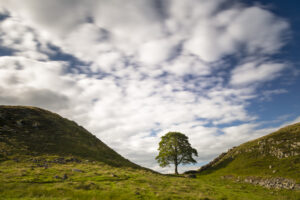
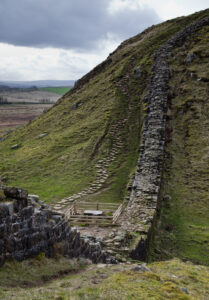
The Sycamore Gap tree in Northumberland National Park was illegally felled in 2023 and was steeped in history and legend, situated next to Hadrian’s Wall. The Bolton’s Bench hill with the tree on top is of similar renown in the New Forest.
The legend of the Bisterne Dragon dating from the 17th century says that the terrible beast was felled by valiant knight Sir Maurice de Berkeley and turned into the hill. After slaying the dragon Sir Maurice later died on the hill and his bow, made of yew, turned into the famous tree. Bolton’s Bench commemorates the 18th century New Forest Master Keeper, the Duke of Bolton, and visitors still come to sit under the giant yew tree at the top and take in the views.
The Sycamore Gap ‘Trees of Hope’ legacy project, which was announced in 2024[1] and is delivered by the National Parks in partnership with the National Trust, sees the new generation of trees grown from the original Sycamore Gap tree planted across England, Wales and Scotland.
Each sapling comes directly from the original tree, ensuring its story continues to grow in landscapes cared for by National Park Authority teams working with local communities, partners, farmers and landowners. From the Sycamore Gap story comes hope and unity for a love of nature across our nations.
The New Forest tree has been planted in the cemetery at Bolton’s Bench, in conjunction with landowner Lyndhurst Parish Council.
New Forest National Park Authority Chair Victoria Mander said: ‘The New Forest has the highest density of ancient trees in western Europe and the stories of these wooden witnesses to history are woven into our culture and tradition.
‘The whole of the UK and beyond was appalled by the felling of the Sycamore Gap tree so we’re thankful that something good can now come out of this criminal act and the tree’s legacy can highlight our most special landscapes like the New Forest.’
For many, the loss of the Sycamore Gap tree felt like a break in the emotional thread that ties people to special places. These new plantings offer a way to rebuild that bond, honouring a landmark that helped people navigate not just the landscape, but their own memories. While the original tree cannot be replaced, these plantings will ensure its legacy continues for generations to come.
Lyndhurst Parish Council Chair Chris Willsher said: ‘Lyndhurst, we would like to believe, is the capital of the New Forest and we’re here very close to Bolton’s Bench with our iconic yew tree. The Sycamore Gap sapling will be a prominent feature for us and we look forward to watching it grow over the coming years.’
As well as the New Forest, the first plantings have already taken place in Northumberland National Park the home to the original Sycamore gap tree, as well as Eryri (Snowdonia) National Park, Loch Lomond & The Trossachs National Park, reflecting the shared legacy across all three nations.
A shared legacy across 15 national parks
For more than 150 years, the Sycamore Gap tree stood beside Hadrian’s Wall, becoming one of the most recognised and photographed trees in the UK.
Now, its legacy will continue to grow in every National Park, from rugged mountain landscapes to sweeping moorlands and coastal cliffs, connecting these protected places through a living symbol of national heritage.
This moment also coincides with milestone anniversaries for four National Parks marking 75 years since designation: the Peak District National Park, Lake District National Park, Eryri National Park and Dartmoor National Park.
Together, the plantings highlight the long-term role National Parks play in protecting landscapes, wildlife and cultural heritage for future generations.
Partnership at the heart
Not all of the trees are being planted on National Park-owned land. Instead, they will be cared for through partnerships within the National Park communities who shape and steward these landscapes every day.
National Parks are living, working landscapes, and collaboration with farmers, landowners and local communities is central to their future.
Voices from across the nations
Tony Gates, Chief Executive of Northumberland National Park Authority, said:
‘For 70 years, Northumberland National Park Authority has been connecting people with the special places in our care. The Sycamore Gap tree stood beside Hadrian’s Wall as a powerful reminder of how important that connection to nature and heritage is for people’s wellbeing. It was more than a tree; it was a landmark where memories were made and cherished, and its loss was felt far beyond the North East. Seeing its legacy grow in National Parks across the UK is a reminder that landscapes connect us all, and that even after damage and loss, nature can recover and endure.’
Gordon Watson, Chief Executive of Loch Lomond & The Trossachs National Park, said:
‘The planting of the Sycamore Gap saplings across our 15 National Parks represents an inspiring symbol of hope. It sends a message that even from the most destructive of actions, nature has the ability to recover and flourish when we properly take care of it. The planting of the sapling at Benmore Gardens in the National Park ensures the public will be able to connect with its powerful story and legacy.’
Jonathan Cawley, Chief Executive of Eryri National Park, said:
‘As Eryri marks 75 years as a National Park, it feels particularly meaningful to plant a cutting from such an iconic tree. It is a reminder that conservation is always about the future and the landscapes we leave for the next generation. Planting it at Yr Ysgwrn, a culturally important centre, is particularly poignant, as it serves not only as a symbol of reflection but also of renewal and the enduring connection between people and place.’
Mike Innerdale, Regional Director for North England at the National Trust said:
‘These saplings ensure the story of the Sycamore Gap tree continues to inspire people across the country. Working with National Parks to share this legacy means new generations will see its story grow in some of the UK’s most treasured landscapes.’
A legacy that will continue to grow
Planting will take place across all 15 national parks over the coming months, with each location carefully chosen to ensure the young trees can thrive.
Once established, the trees will stand as living reminders of the power of nature, the importance of stewardship, and the shared responsibility to care for the landscapes that shape the nation.
From one iconic tree to 15, the legacy of the Sycamore Gap tree will now grow across every national park in the UK.
Find Out More: www.nationalparks.uk
-Ends-
Notes for Editor
[1] The 15 saplings for the National Parks were announced as part of the Trees of Hope initiative by the National Trust on the first anniversary of the felling of the Sycamore Gap tree in 2024.
About the National Parks UK
National Parks UK represents the UK’s 15 National Parks, promoting their value and impact and amplifying their work on nature recovery, climate adaptation, access, heritage and community wellbeing. Working closely with National Park Authorities, National Parks Partnerships and a range of partners, NPUK leads national campaigns, brand development, digital communications, and strategic messaging at a UK scale.
More information about the National Parks can be found at: www.nationalparks.uk