Spooky season in the New Forest
Fright nights in the New Forest
Rich in curious creatures, ghosts, dragons, hauntings and its own village dedicated to witches join us, if you dare, as we take a tentative trip into all things spooky in the New Forest National Park…
Fascinating fungi and curious creatures
New Forest bloodsuckers
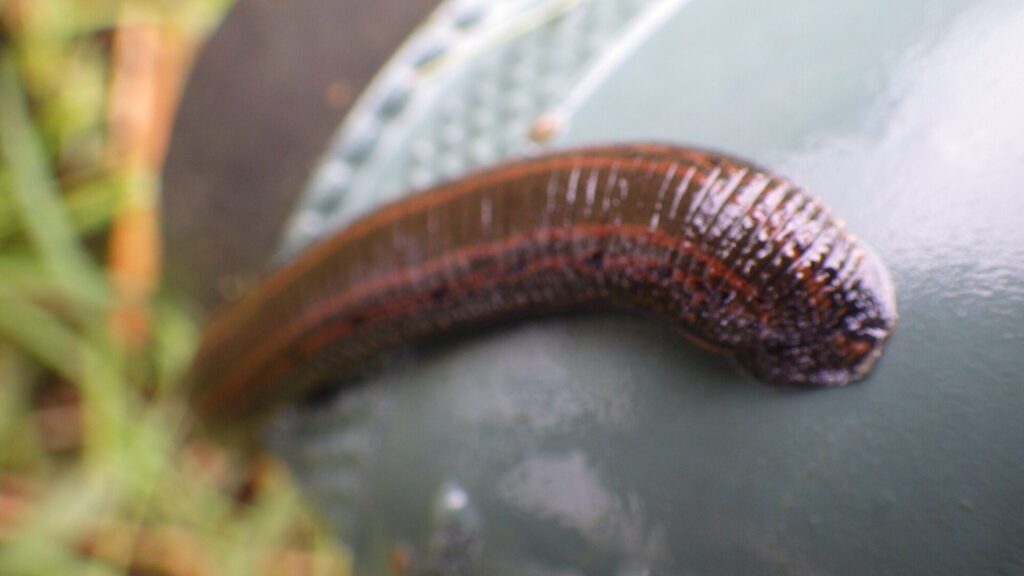
With three jaws each containing 100 sharp teeth and the ability to consume up to 10 times their body weight in blood, it is easy to see how the leech has earned its spine-chilling reputation.
But life for the European medicinal leech (Hirudo medicinalis) is far from easy and the species is at risk in the UK. The New Forest is one of its few remaining strongholds.
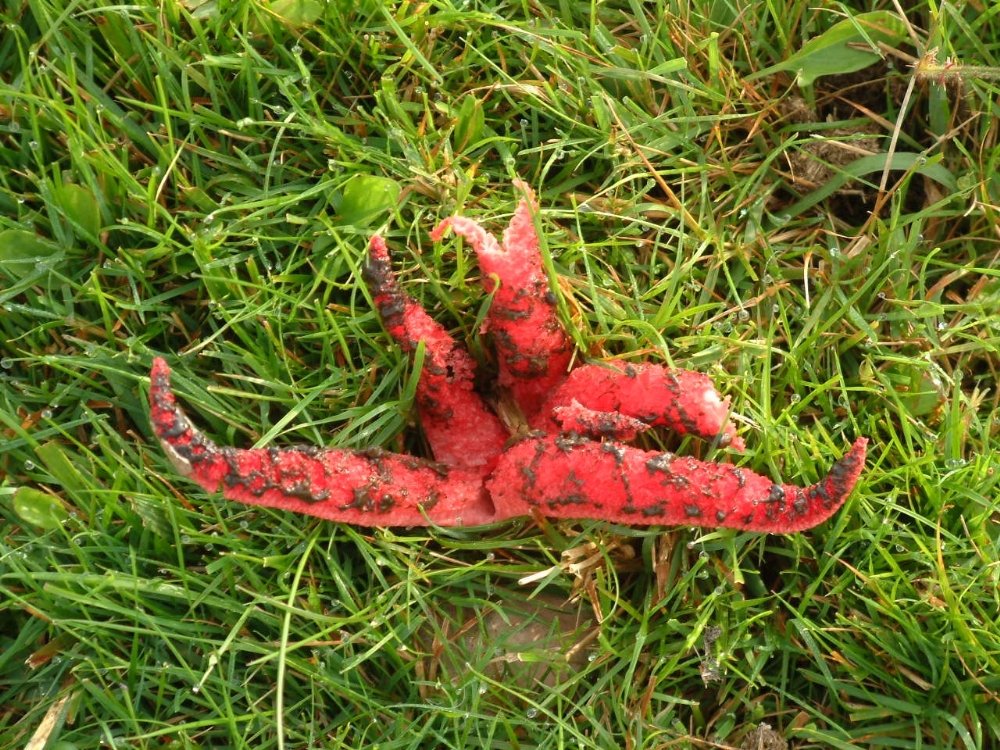
Devil's Fingers
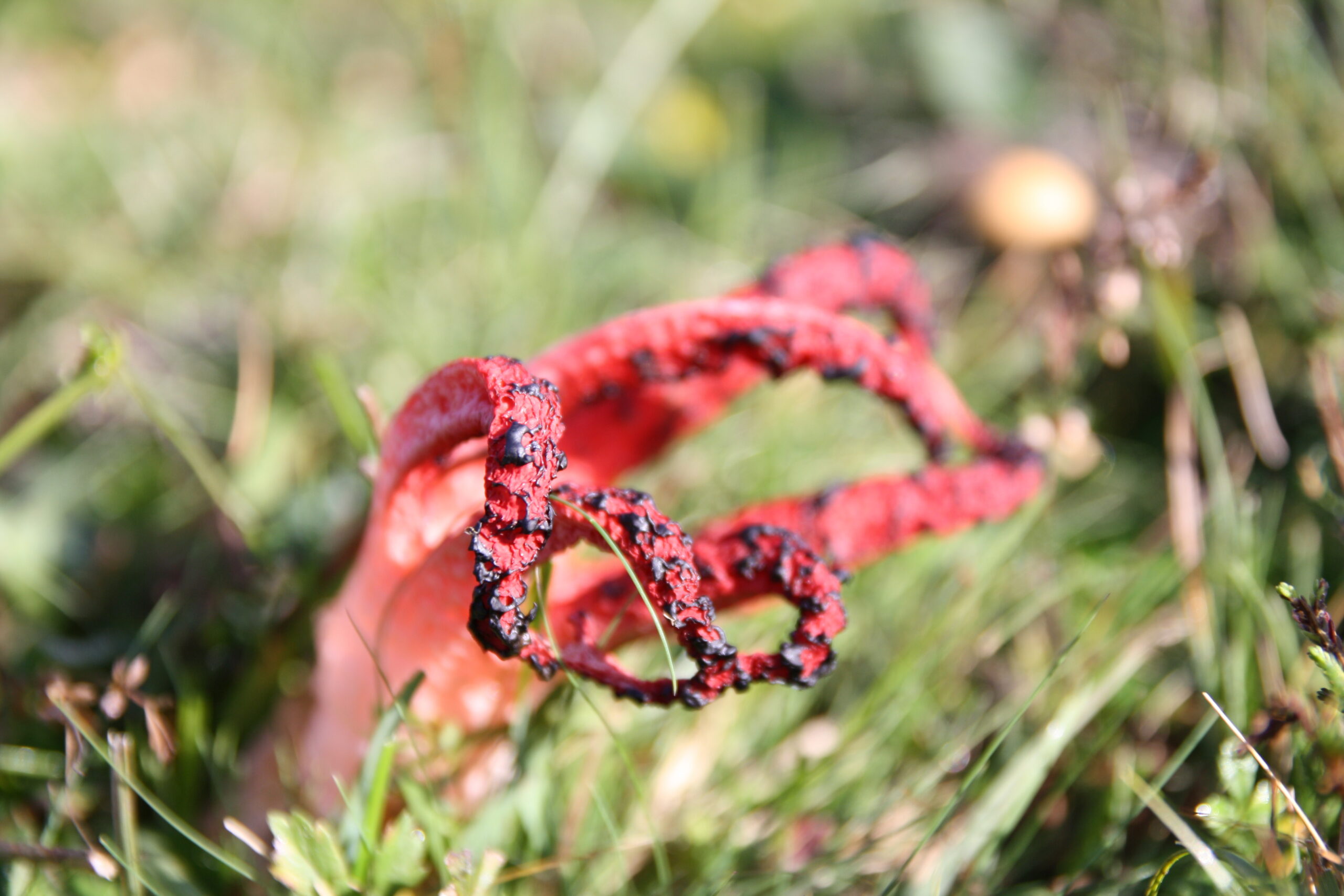
Devil’s Fingers (Clathrus archeri) is a rare fungus that was first found in the New Forest in around the year 2000.
At that time, the only other place that it could be found in Great Britain was one small place in Cornwall. Remarkably since then it has spread all over the New Forest.
The ‘egg’ part of the fungi is the size and shape of a jelly-like golf ball lying on the ground with a pink tinge from the tentacles or arms submerged inside. It’s attached to an underground network of threads (or mycelium) by a long thick strand.
The red tentacles eventually emerge, initially joined at the tip before arching backwards into a star shape. They are covered with an evil smelling, olive-coloured, slime (or gleba) which contains the spores.

Batting for bats
The New Forest is a stronghold for bats and of the 18 species found in the UK, 14 can be found here. Three are particularly rare: greater horseshoe, Bechstein’s and barbastelle.
Sadly, a quarter of the world’s 1,300 bat species are threatened with extinction, but the good news is that in the New Forest we are working with our partners to protect them.
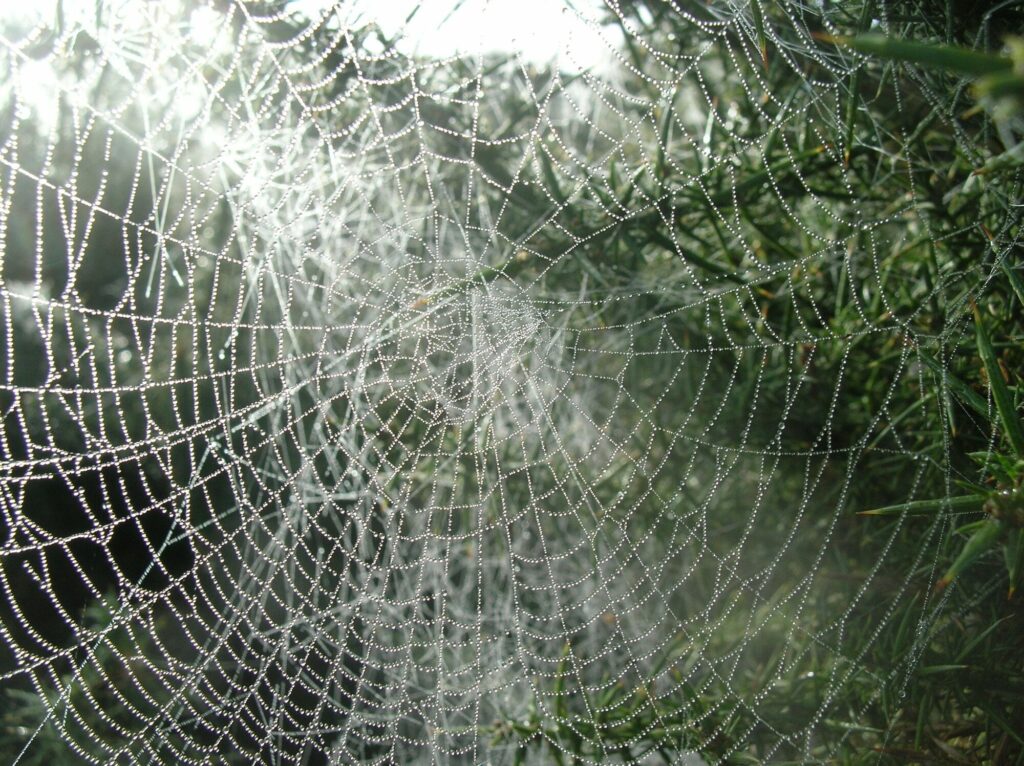
Spiders
With their eight legs and intricate webs, spiders are perfect for spooky season!
But these fascinating creatures are more than just Halloween decorations. They play a vital role in the New Forest, helping control insect populations and providing food for birds.
Spiders live in a variety of habitats, from open heaths to ancient trees. Most are timid and would rather scuttle away than confront us.
Autumn is a great time to spot their webs, which glisten with droplets of dew on cool, damp mornings. So, keep an eye out on your next New Forest walk – you might discover some spooky silk creations!
Folklore and fable
The New Forest National Park is one of England’s richest landscapes for folklore, blending medieval legends, ghost stories, pagan traditions, and fairy lore. The ancient woods, barrows, and historic settlements have inspired tales passed down for centuries. You can’t go far without being immersed in a local legend or spooky story!
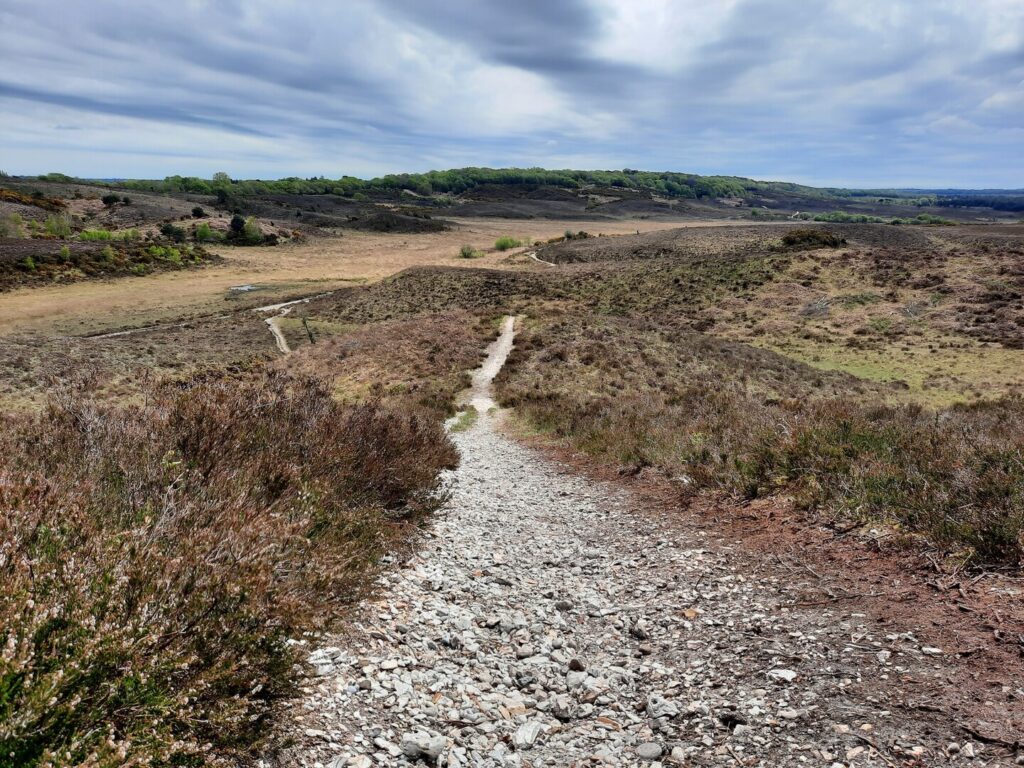
Follow the Smugglers' Road
Smuggling (or ‘free trading’ as it was once known) was popular in the New Forest due to cover from woodland and local routes making it easier to evade capture.
A local tale tells of Miss Lovey Warne who, with her two brothers, took part in smuggling in Burley.
She would dress in a red velvet coat and stand on Vereley Hill to warn her brother when customs officers were near.
This would help smugglers safely get to Warne’s Bar in the Queens Head pub in Burley.
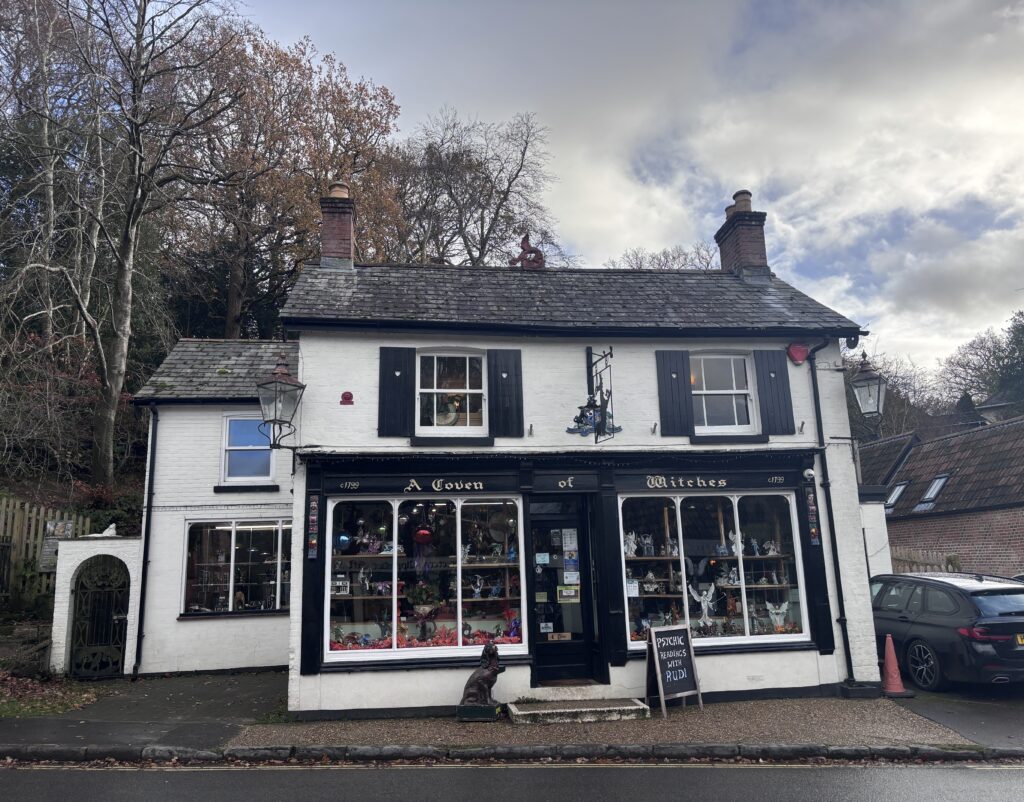
Witching hour
During the 1950s Burley was home to Sybil Leek, a ‘white witch’ who would walk around the village in her long black cloak with her pet jackdaw, called Mr Hotfoot Jackson, sitting on her shoulder.
There are now several gift shops in the village that have a magic and folklore theme.
The Bisterne Dragon
A medieval dragon is said to have terrorised Bisterne.
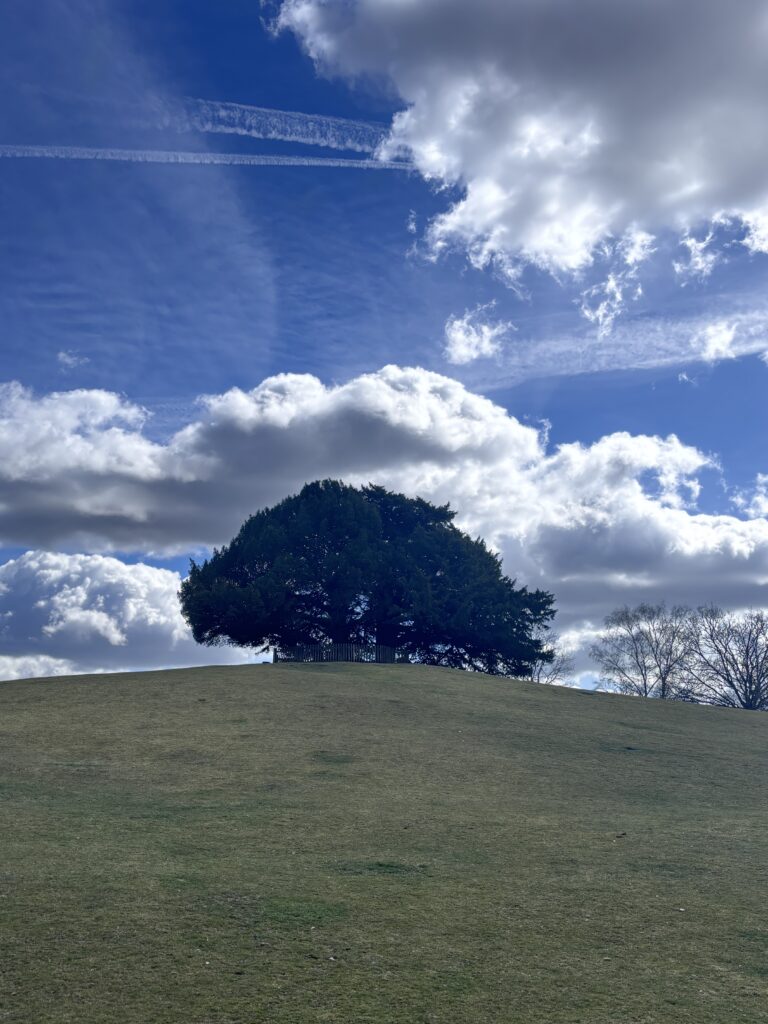
In the 15th century the valiant knight Sir Maurice Berkeley supposedly slew it and its body became Bolton’s Bench, an iconic hill at Lyndhurst.
racked with guilt Sir Maurice returned to the hill and died, his yew-wood bow falling on the ground beside his body and eventually sprouting into the yew tree which can still be seen at the top of the hill.