Earlier spring in the UK: How nature is responding to rising temperatures
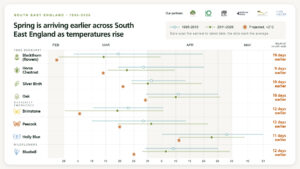
Graph showing the earlier emergence of key species in two national parks
Pioneering project reveals how nature’s rhythms are shifting due to climate change
Nature’s seasons are changing, and a pioneering project is helping to measure what that means for the plants, wildlife and landscapes in the UK’s National Parks.
The pilot Nature’s Changing Seasons in National Parks project brings together leading partners from science and conservation with citizen engagement to investigate how climate change is affecting the rhythms of nature across the New Forest and South Downs National Parks. It’s hoped the project could then be rolled out across other protected landscapes around the UK.
Phenology is the study of recurring natural events, such as when trees come into leaf, flowers bloom, insects emerge and birds arrive or begin nesting. These seasonal events provide an important insight into how species are responding to a changing climate.
The project combines long-term observations collected by the public through the Woodland Trust’s online Nature’s Calendar platform, temperature records from the Met Office and local expertise from National Parks.
During the pilot project, 24 priority species were identified, including birds, butterflies, wildflowers, and trees. The eight species with the greatest sensitivity to warmer spring temperatures in southeast England are four tree species (blackthorn; horse chestnut; silver birch and oak), three butterflies (brimstone; peacock and holly blue) and one wildflower (bluebell). Initial results show that these species are already responding to warmer years by emerging earlier in spring.
The project also provides an indication of how these timings could change as temperatures continue to rise. For example, a 1°C further increase in temperature could result in the holly blue butterfly emerging around seven days earlier than the current average, rising to around 14 days earlier with a 2°C increase. Across all the species analysed, 2°C of additional warming could bring spring emergence forward by between 9 and 19 days.
These changes matter because timing is vital for nature. Plants, insects, birds and other wildlife have evolved to match their seasonal timings to maintain stable populations. When spring arrives earlier for some species but not others, this delicate timing can be disrupted. For example, insects might appear before birds need them to feed their chicks, or flowers could bloom before their pollinators are active.
Spearheading the project, John Stride, Net Zero with Nature Programme Manager at the New Forest National Park Authority said: ‘Changes in phenology have been identified in a recent report about climate risks and adaptation opportunities for the New Forest as being a key climate change risk to this landscape. Tracking these changes in seasonal patterns helps us understand and prepare for the effects of climate change. It also provides important evidence that can support National Parks and other Protected Landscapes to safeguard the wildlife, habitats and landscapes that make these places so special.
‘This work translates complex data into clear insights that can help guide practical action around conservation, land management and climate adaptation. This could be, for example, thinking about the timing of coppicing to continue to benefit butterfly and bird species.’
Jessica Stacey, Senior Climate Scientist at the Met Office said: ‘This project demonstrates the value of bringing together climate data, scientific expertise and observations from people on the ground to understand how nature is responding to a changing climate.
‘While this pilot focuses on the New Forest and South Downs National Parks, the approach could, with further investment, be scaled across Protected Landscapes throughout the UK. This could help build a much broader picture of how climate change is affecting the timing of seasonal events and support action to help nature adapt.’
Alex Marshall, Citizen Science Officer at the Woodland Trust, said: ‘We are already seeing the impacts of recent heatwaves through the early leaf tinting of many trees and shrubs. Leaf tinting is one of the events recorded by our Nature’s Calendar volunteers, and observing these kinds of changes is invaluable to helping scientists understand the impacts of weather and climate’.
Chris Fairbrother, Strategy Lead for Climate Change and Net Zero at the South Downs National Park, said: ‘During the extended drought and high temperatures over the summer, we’ve seen trees and plants struggle. Many started to lose leaves early as a coping mechanism. Climate change has a direct impact on nature, and its rhythms and processes are shifting as a result.
‘It’s important we understand both the short-term and extended effects on nature and natural processes. That’s why this project is so timely. It’s been great to work with project partners to help us see how this plays out across the South Downs National Park.
‘It’s exciting to be able to develop an approach that will actively involve the public in observing and recording what they see happening around them – seeing how nature’s calendar changes over time, and how that directly effects plants and animals across the National Park. We hope people get actively involved and support this valuable project in the long-term.’
The Nature’s Changing Seasons in National Parks project is a collaboration between the Met Office, Landscape Observatory, National Parks Partnerships, the Woodland Trust, the South Downs National Park Authority and the New Forest National Park Authority, with funding from The Estée Lauder Companies UK & Ireland and the South Downs National Park Authority.
People can help track seasonal changes in national parks by recording their own observations. It’s simple to do through the Nature’s Calendar platform. Every observation helps build the evidence base for understanding how nature is responding to a changing climate and supports the potential expansion of the project across other Protected Landscapes.
-Ends-
Notes for editors
About the Landscape Observatory:
Landscape Observatory is uniting AI mapping, habitat condition monitoring, and Adaptive Management to conserve and protect our landscapes from the impacts of climate change. Landscape Observatory: AI-Powered Landscape Intelligence for Protected Landscapes
About the Woodland Trust:
The Woodland Trust is the UK’s largest woodland conservation charity with a vision of a world where woods and trees thrive for people and nature. We have more than 500,000 members and supporters and care for more than 1,000 woods – all free for everyone to visit.
We’ve been fighting for the health of people and planet with every tree since 1972, but today our mission is more urgent than ever.
We focus on three key aims:
- Protecting the UK’s remaining rare, unique and irreplaceable ancient woodland.
- Restoring damaged ancient woods, helping bring precious pieces of our natural history back to life.
- Creating new native woods and planting more trees to build healthy, resilient landscapes for people and wildlife.
Nature’s Calendar is a citizen science project managed by The Woodland Trust and funded through donations to the Postcode Lottery.
Please email media@woodlandtrust.org.uk for press enquiries.
About the New Forest National Park Authority:
The New Forest National Park Authority’s statutory purposes are to:
-Conserve and enhance the natural beauty, wildlife and cultural heritage of the Park – Protect.
-Promote opportunities for understanding and enjoyment of its special qualities – Enjoy.
We also have a duty to:
Seek to foster the social and economic well-being of local communities within the Park – Prosper.
The New Forest National Park was designated in March 2005. Its unique landscape has been shaped over the centuries by grazing ponies, cattle and pigs which roam free. Majestic woodlands, rare heathland and a spectacular coastline provide fabulous opportunities for quiet recreation, enjoyment and discovery.
www.newforestnpa.gov.uk
About the Met Office:
The Met Office is the UK’s National Meteorological Service, providing 24×7 world-renowned scientific excellence in weather, climate and environmental forecasts and severe weather warnings for the protection of life and property. The Met Office has been at the forefront of global weather and climate science for over 170 years. www.metoffice.gov.uk
About the South Downs National Park:
The South Downs National Park is the third largest National Park in England and has the largest National Park population, with 113,000 residents. From rolling hills to bustling market towns, the South Downs National Park’s landscapes cover 1,600km2 of breathtaking views, including 18 distinctive landscapes, 13 European wildlife sites and more woodland than any other National Park in England or Wales. The South Downs National Park Authority (SDNPA) is responsible for keeping the South Downs a special place, including conserving and enhancing the natural beauty, wildlife and cultural heritage of the area and its corporate priorities are: Nature and Climate, People and Place. It is also the planning authority for the National Park. The Authority is a public body, funded by the government, and run by a Board of 27 Members. www.southdowns.gov.uk
About National Parks Partnerships:
National Parks Partnerships (NPP) connects business, finance and philanthropy to opportunities across the UK’s 15 National Parks, unlocking private investment to deliver vital action for nature and communities. Through bespoke partnerships and high-integrity nature-based solutions, we deliver environmental, social and economic value at scale. www.nationalparks.co.uk
About The Estée Lauder Companies:
The Estée Lauder Companies Inc. is one of the world’s leading manufacturers, marketers and sellers of quality skin care, makeup, fragrance and hair care products, and is a steward of luxury and prestige brands globally. The Company’s products are sold in approximately 150 countries and territories under brand names including: Estée Lauder, Aramis, Clinique, Lab Series, Origins, M·A·C, La Mer, Bobbi Brown Cosmetics, Aveda, Jo Malone London, Bumble and bumble, Darphin Paris, TOM FORD, Smashbox, AERIN Beauty, Le Labo, Editions de Parfums Frédéric Malle, GLAMGLOW, KILIAN PARIS, Too Faced, Dr.Jart+, the DECIEM family of brands, including The Ordinary, NIOD, Avestan and Loopha, and Balmain Beauty.
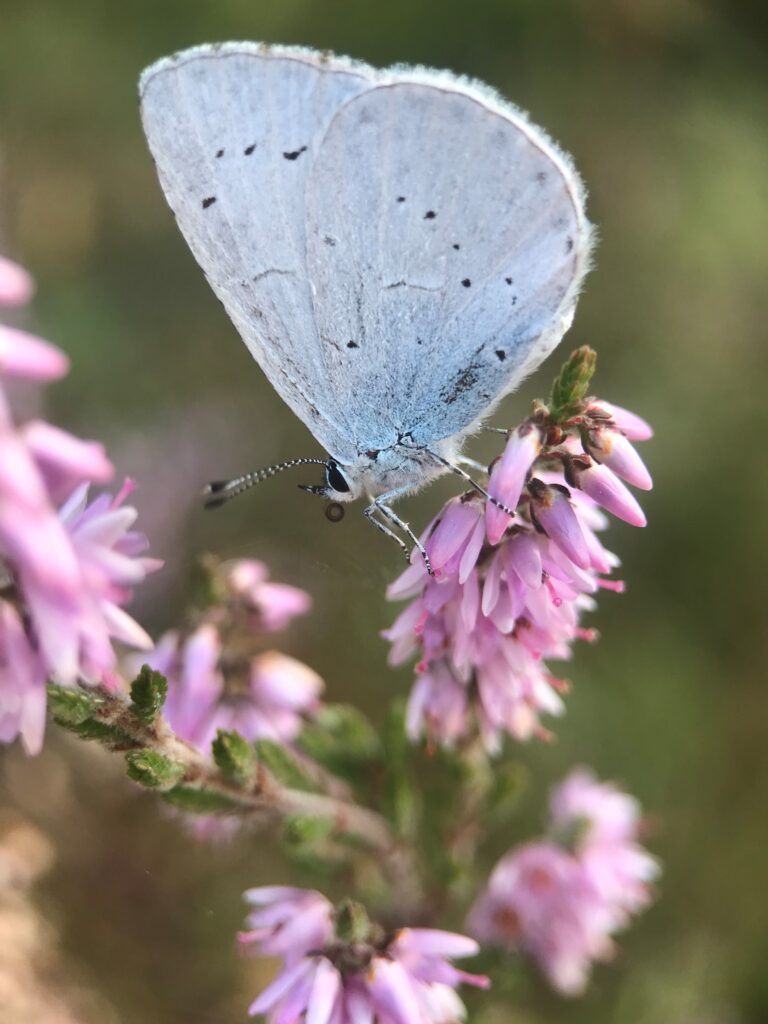
Holly blue butterfly
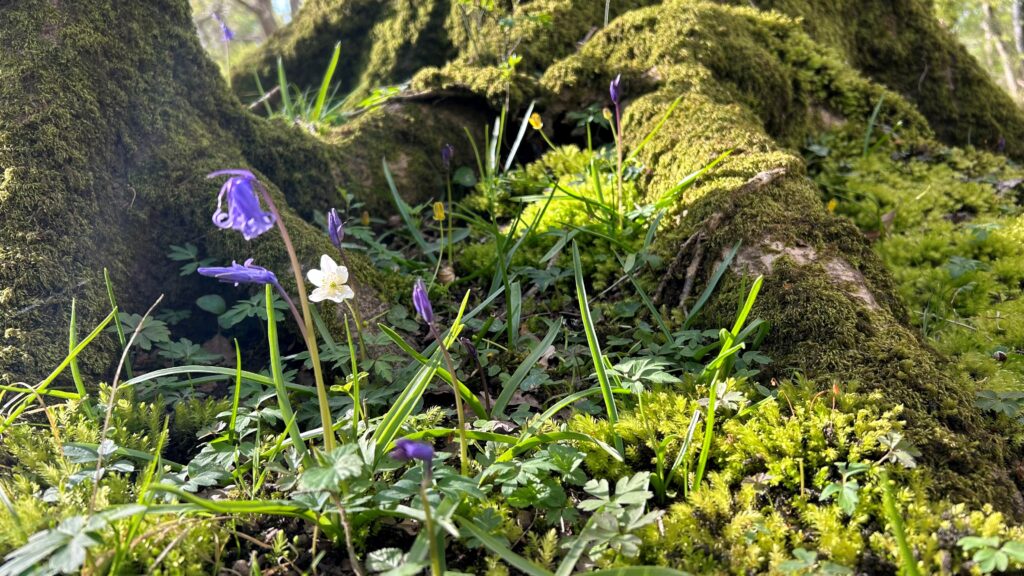
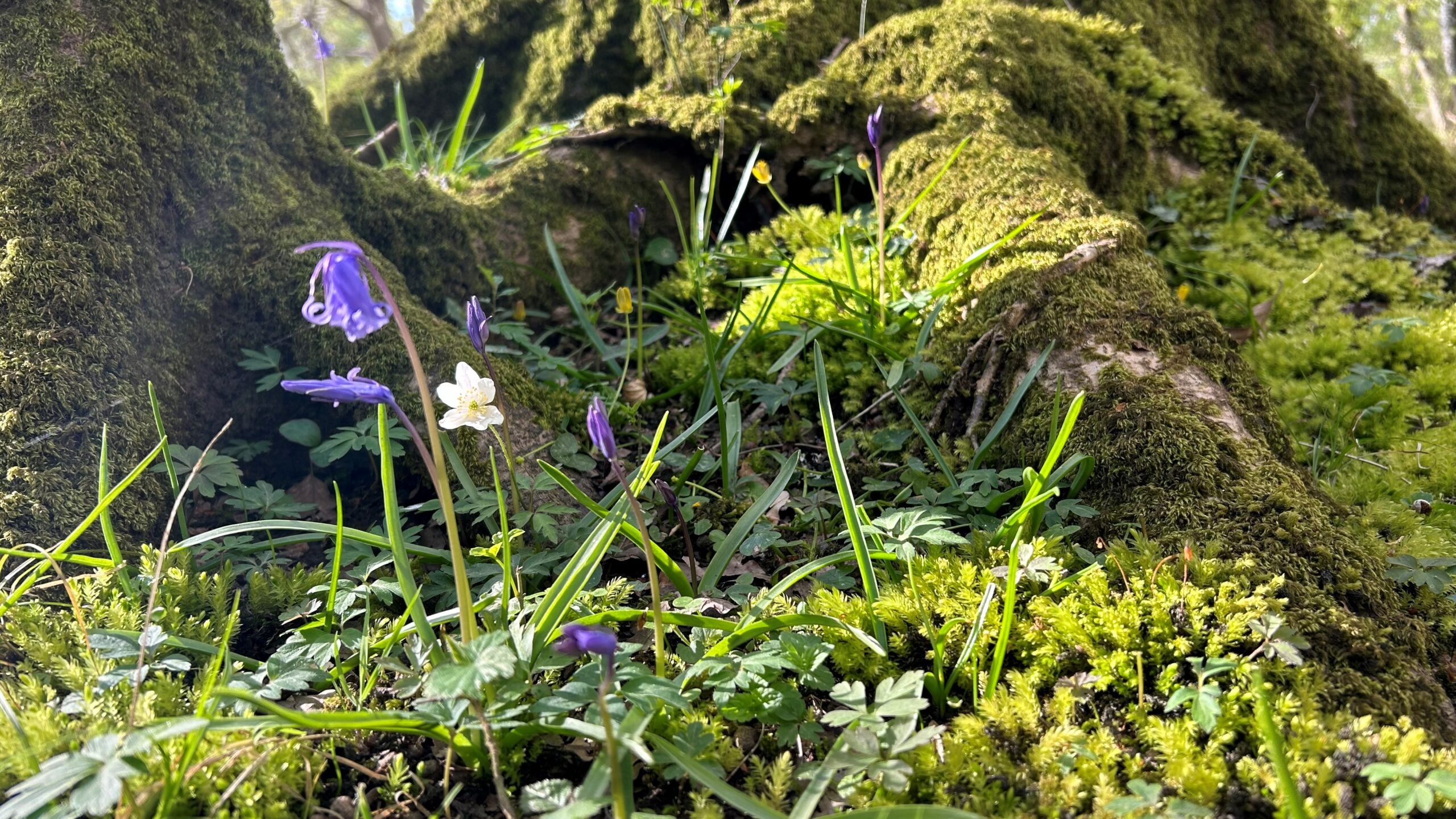
Bluebell and wood anemone in the New Forest
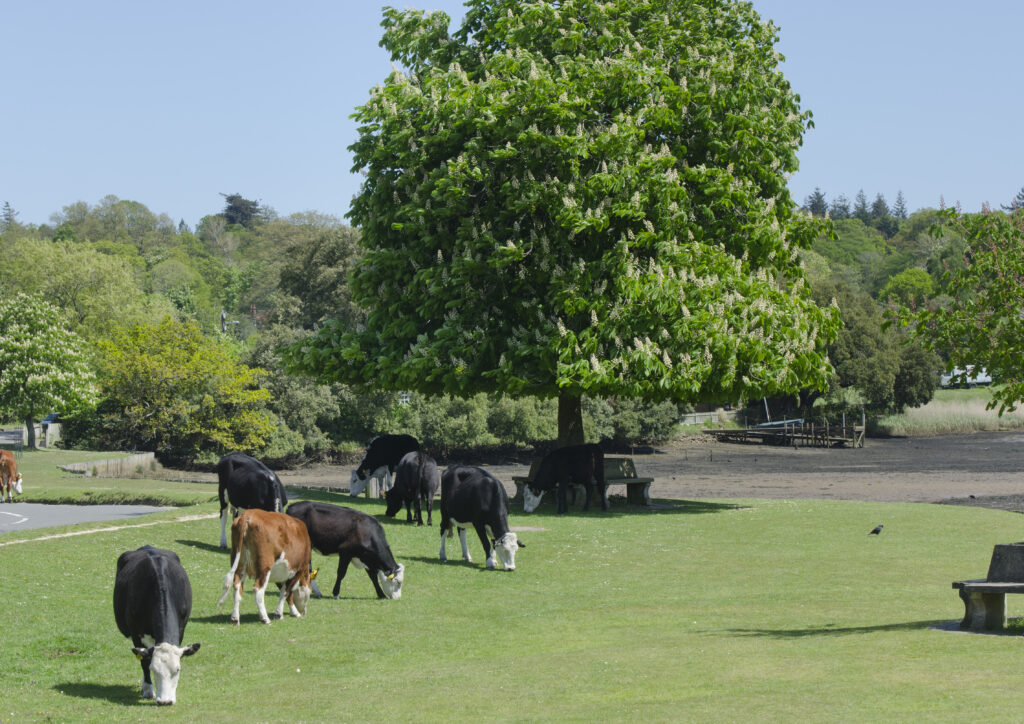
Horse chestnut tree in the New Forest