Radio House
A multi-year project in the New Forest to improve grazing land, plant new hedgerows and create an orchard on a Commoner’s smallholding in Pilley has been supported through more than £33,000 of funding from the Farming in Protected Landscapes (FiPL) programme, operated locally by the New Forest National Park Authority.
New Forest Commoner Sam Dovey has also used the FiPL funding over three years to deliver improvements to the holding, support commoning and the welfare and management of his grazing stock.
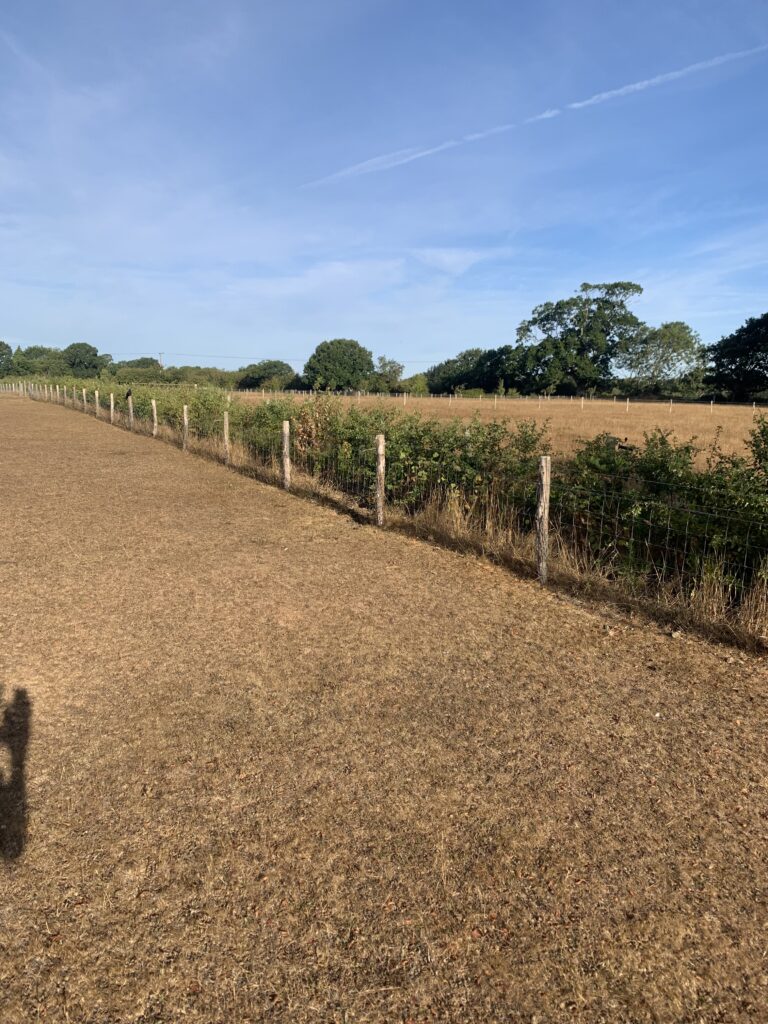
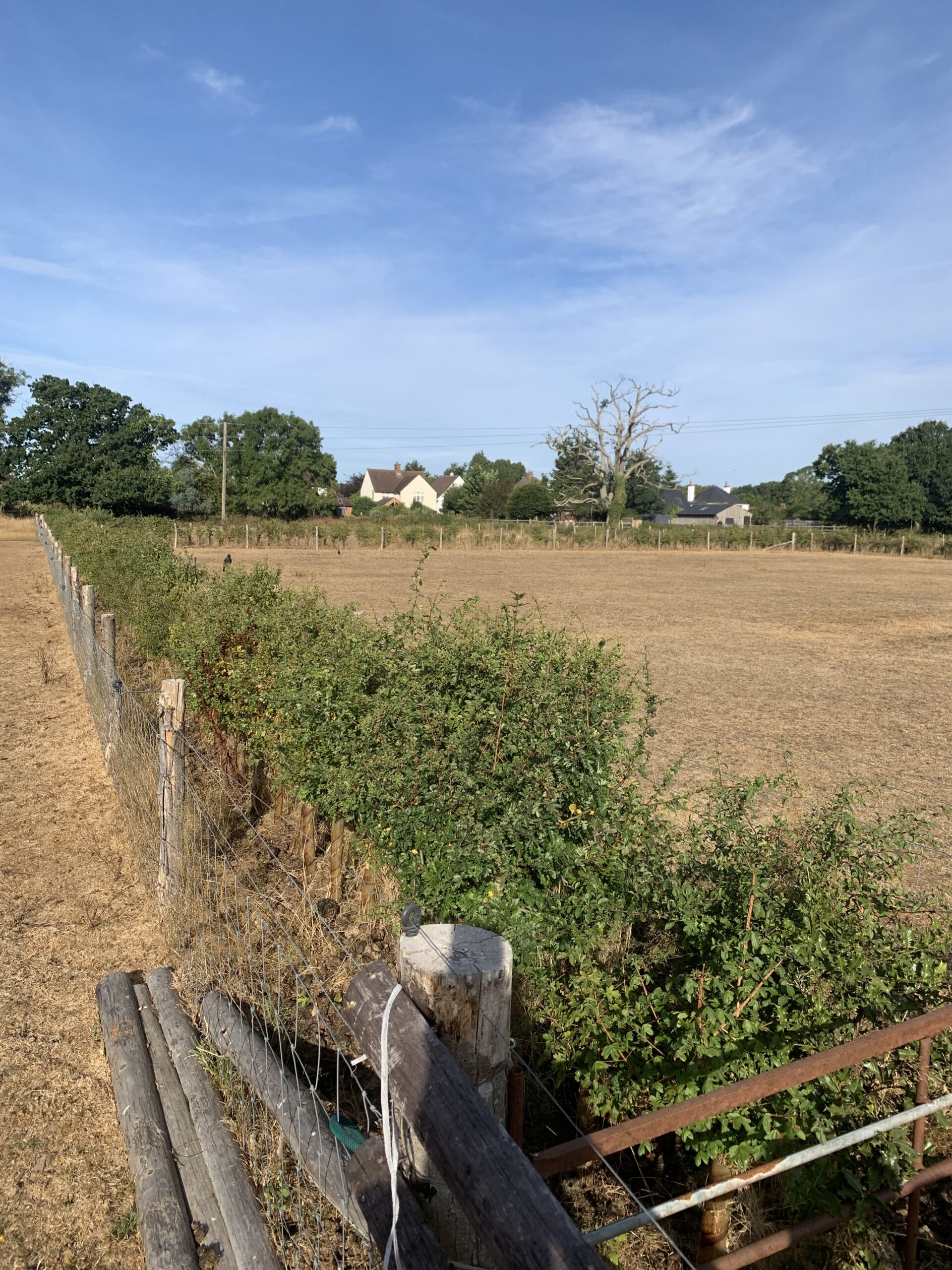
The early phases of the project introduced almost 500 metres of new native hedgerow using a specialised ‘New Forest’ mix of species. Alongside wider tree planting and the small orchard of just under 30 fruit trees, the aim was to improve soil health and enhance and join up the existing hedgerow network across the holding. New fencing, using chestnut posts, was installed to protect the hedgerow whips and young fruit trees and to improve stock management and welfare across the holding. A new, covered muck trailer was introduced to help keep muck piles away from watercourses and grassland, reducing the risk of nutrient and air pollution.
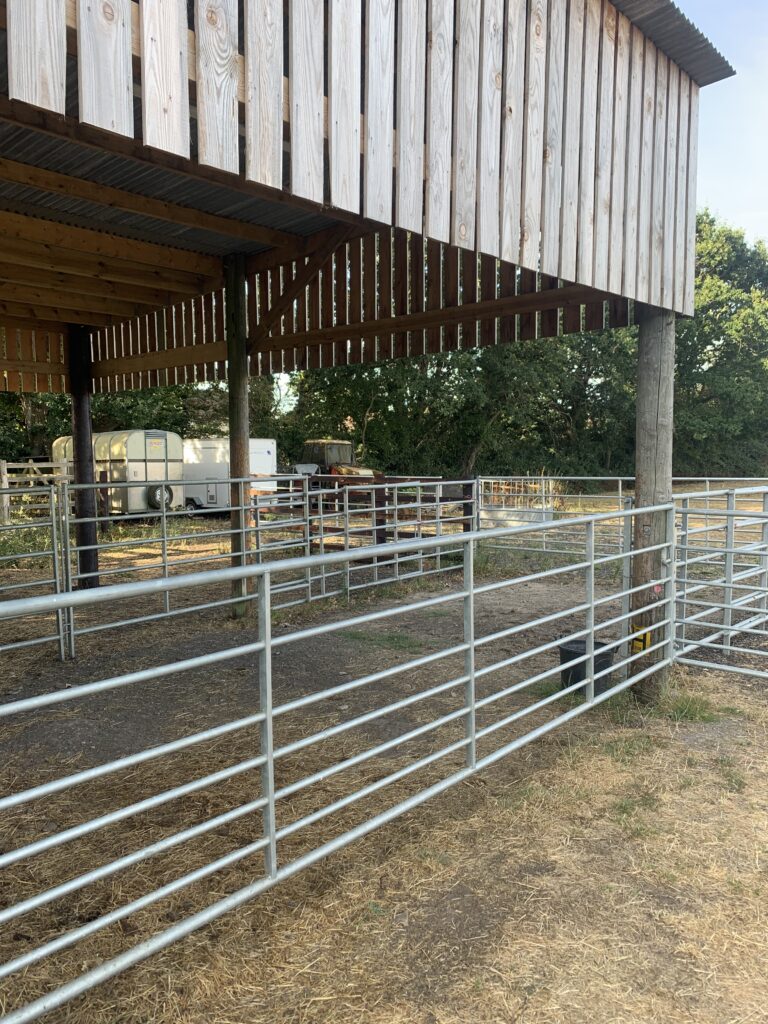
The most recent phase of funding focused on modifying an existing barn to create a dedicated livestock holding and handling yard. The barn alterations used rough-sawn Douglas fir to blend in with the existing building, and a new array of gates was added to improve handling and access. A traditional New Forest livestock ‘pound’ was added to enable safe handling of cattle and ponies. The adjoining yard was enclosed using creosote-treated timber and fencing to prolong its lifespan, with all gates galvanised to rigorous industry benchmarks.
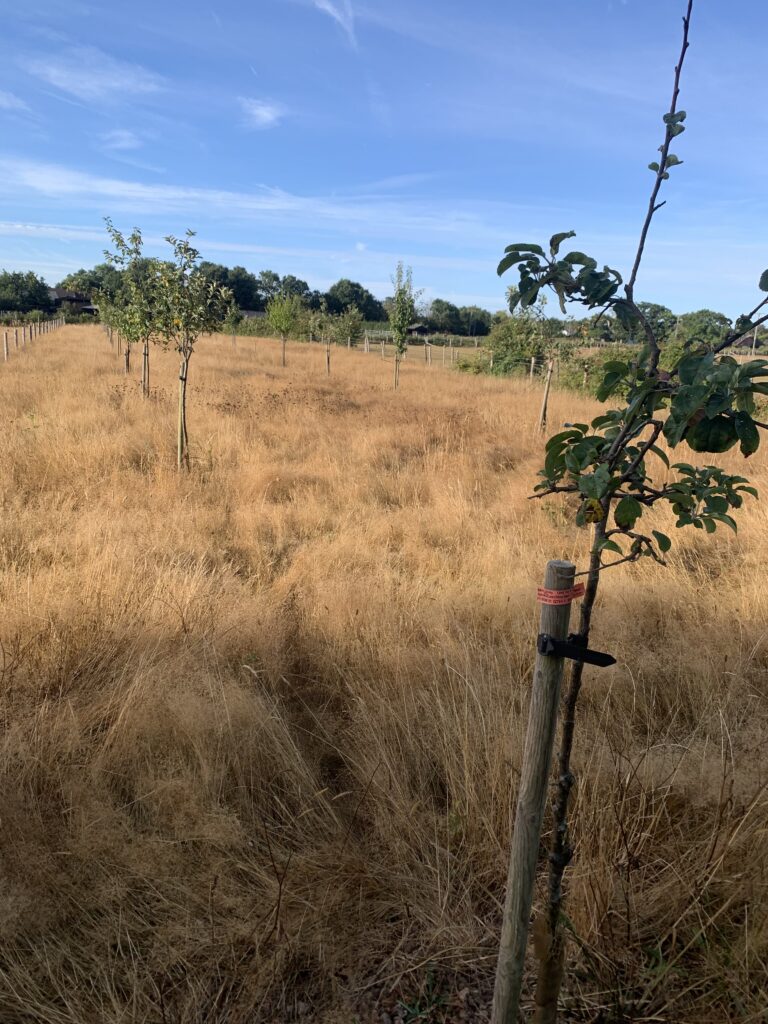
Sam Dovey said: ‘Thanks to the Farming in Protected Landscapes Scheme, the improvements will support better management of the holding and my stock over the long term. Initially it was a big decision to take areas of grassland out of use for hedgerow and orchard creation, but the difference to the holding has been significant as the hedgerows and trees have started to establish and become part of the landscape. As well as providing shelter for stock, they’ve allowed grassy areas to develop and support a wide range of biodiversity from birds and insects to hedgehogs!’
‘The work has also taught me a lot about how best to manage ongoing maintenance such as weeding, trimming and management of young hedges and trees as they establish and grow. The improved yard and barn infrastructure allows me to manage my livestock in a welfare-friendly way, and the holding much more efficiently, particularly during the winter months when the land can become very wet.’
The project is expected to increase biodiversity and resilience on the holding over time, with photographic monitoring used to track change in plant, bird and butterfly species alongside improvements in soil structure and sward growth.
Paul Walton, Head of Environment and Rural Economy for the New Forest National Park Authority, said: ‘This project shows how FiPL funding can support Commoners like Sam over the long term, helping improve stock welfare and land management while also delivering real benefits for biodiversity and the ancient practice of commoning. The hedgerow planting and new infrastructure on the smallholding adjacent to the open Forest will continue to pay dividends for years to come, both for the holding and for the wider New Forest landscape.’
The FiPL programme, delivered by the New Forest National Park Authority and funded by the Department for Environment, Food and Rural Affairs (Defra), supports farmers, land managers, and Commoners to improve nature, climate resilience, heritage, and public access within protected landscapes. In the New Forest, FiPL supports projects ranging from habitat restoration and species recovery to heritage conservation and sustainable land management.