Hinton Admiral Estate
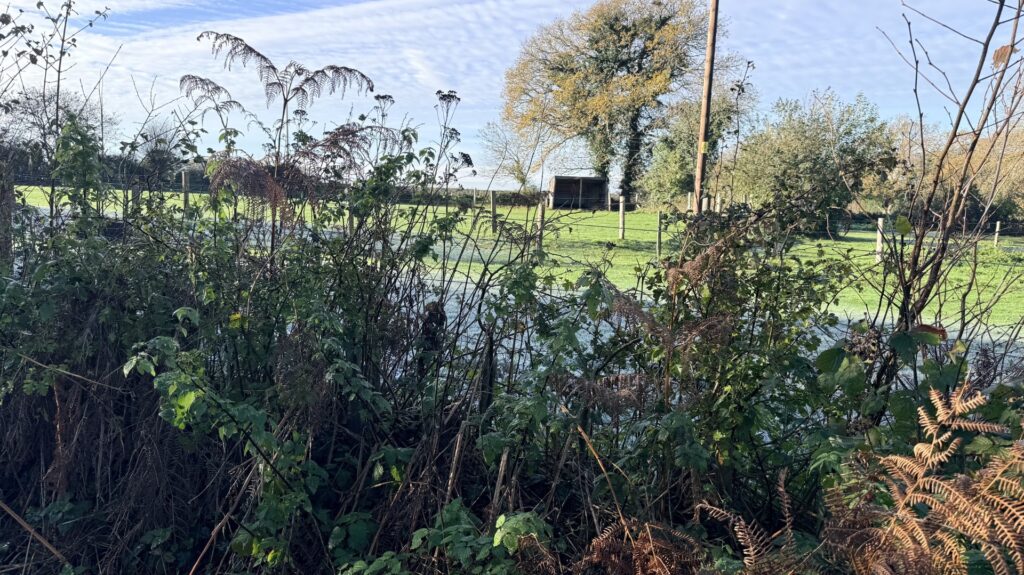
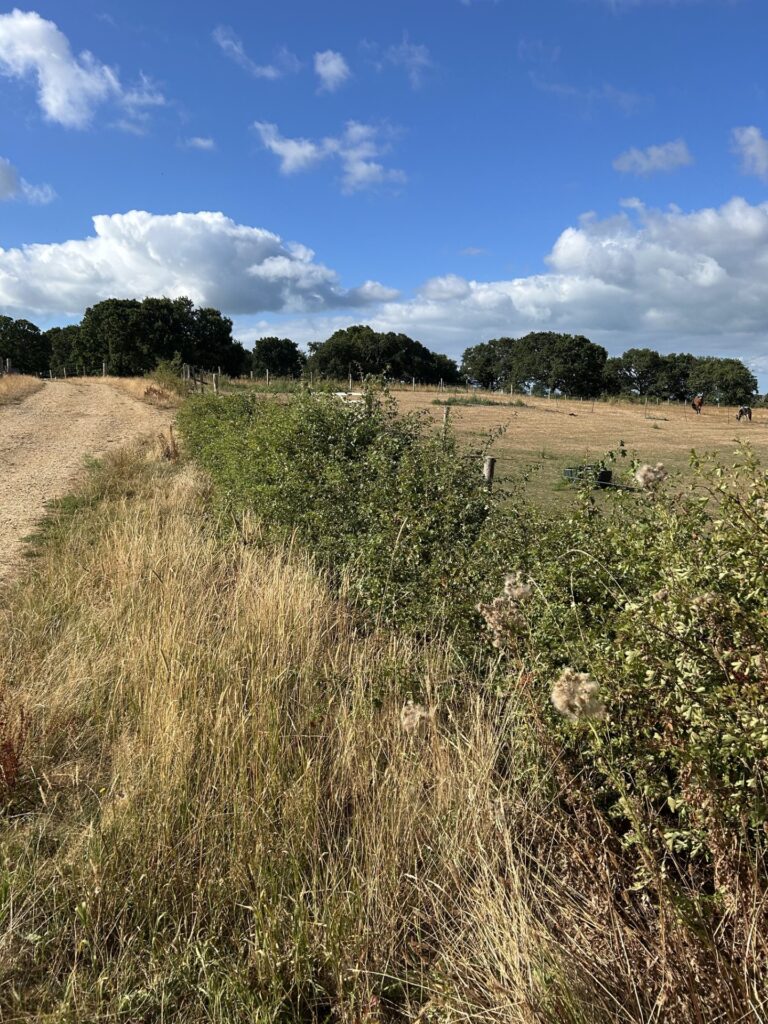
A major hedgerow restoration project at the edge of the New Forest has created a more connected landscape with huge benefits for wildlife. The Hinton Admiral Estate received support for the project from the Farming in Protected Landscapes (FiPL) programme, operated locally by the New Forest National Park Authority on behalf of DEFRA (the Department for Environment, Food and Rural Affairs).
The Estate
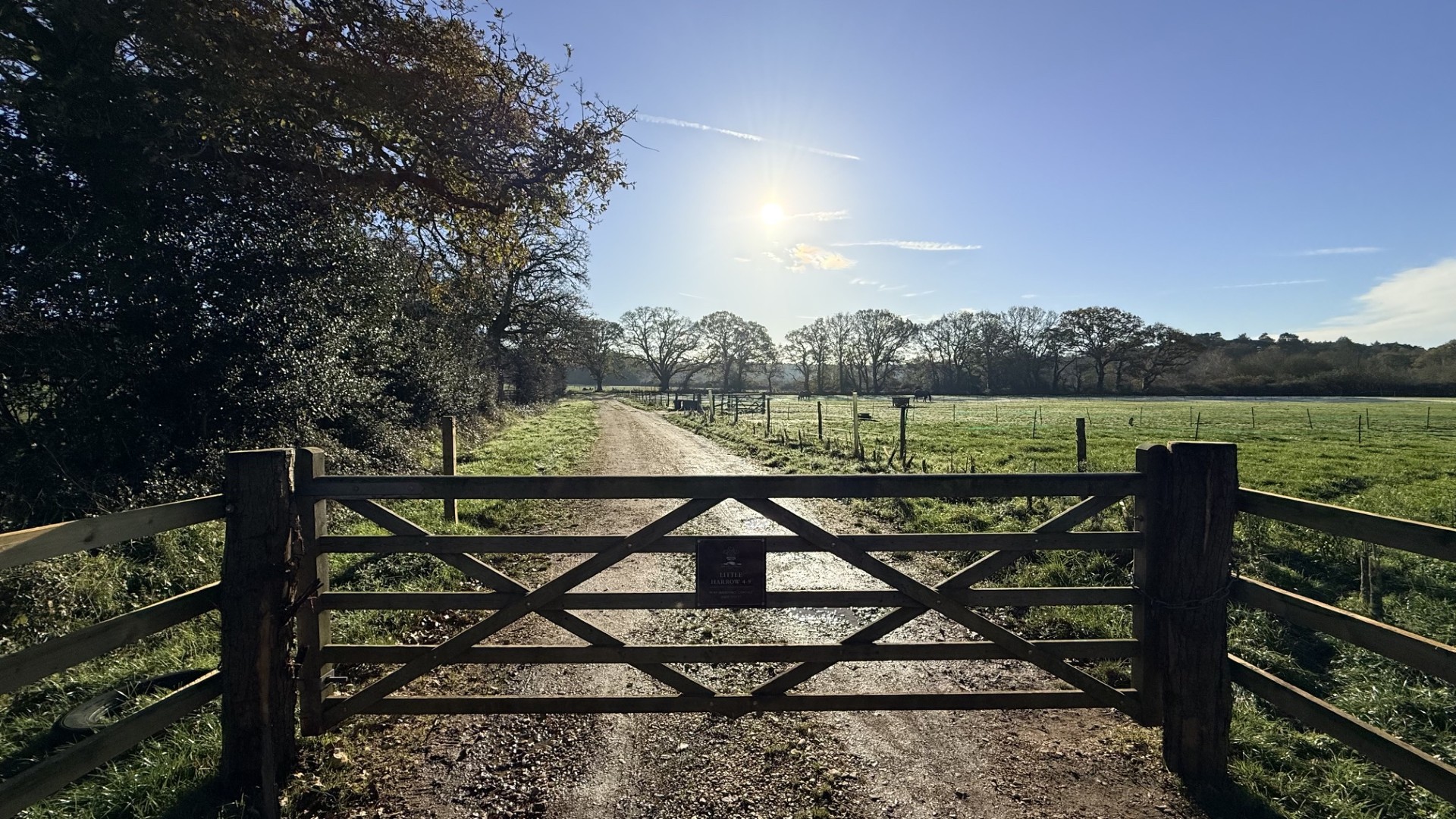
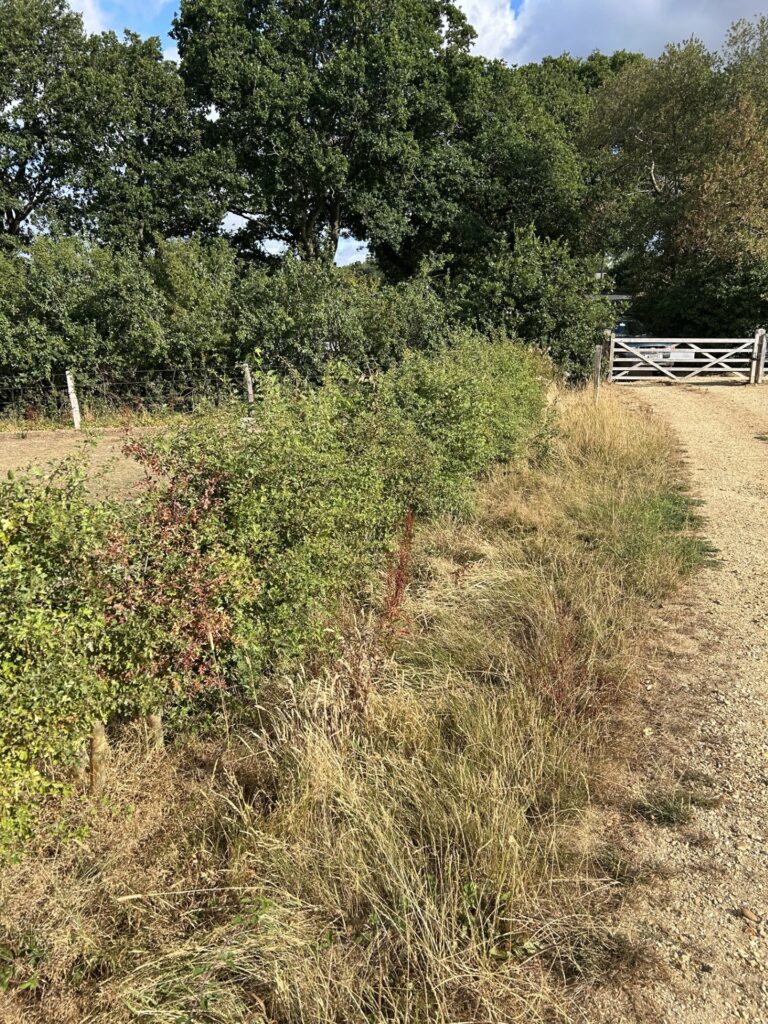
The Hinton Admiral Estate is a rural estate nestled between the New Forest National Park and Christchurch. The Estate is made up of many different enterprises including woodland, agricultural land and livestock grazing. Since 2020 the Estate has re-established around 15km of hedgerows by filling gaps and reinforcing weakened sections. This work forms part of the Estate’s long-term ambition to restore historic field boundaries, helping to rebuild a resilient and wildlife-rich landscape around the New Forest.
Wildlife-friendly
The project delivers significant environmental benefits, including improved habitat connectivity, and increased biodiversity, while helping lock away carbon and reducing soil erosion. The species-rich hedgerows will provide vital corridors for butterflies, moths, bees and beetles while increasing the landscape’s resilience to climate change.
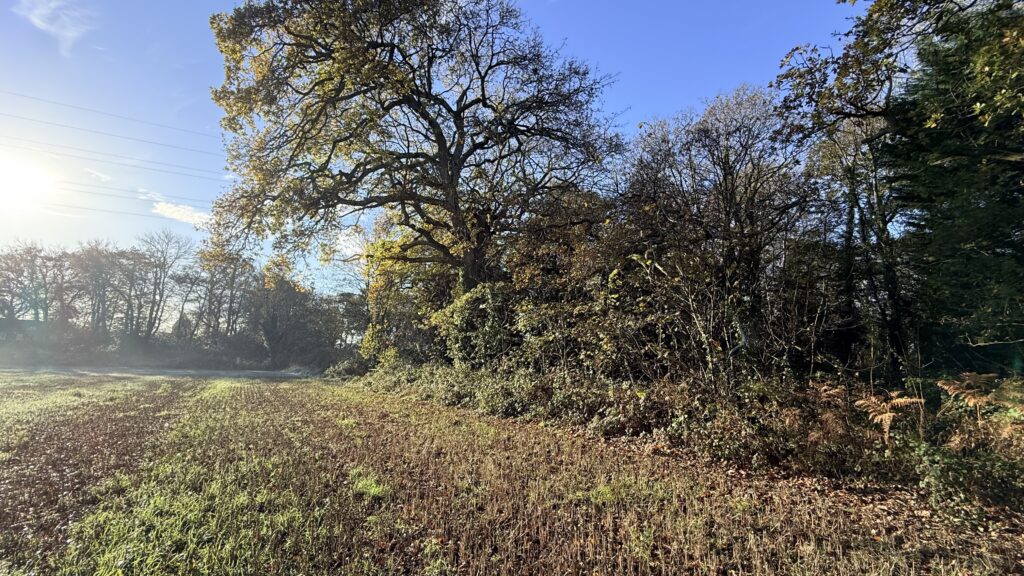
Located along the National Park boundary, the restored hedgerows play a crucial role in linking key habitats, including woodlands and nearby Sites of Special Scientific Interest. By reconnecting fragmented habitats and buffering the New Forest from surrounding pressures, the project reflects the principle established in the 2010 DEFRA-commissioned review of England’s wildlife sites and ecological network. Professor Sir John Lawton’s key recommendation was to create ‘bigger, better and more joined up’ habitats.
Paul Walton, Head of Environment and Rural Economy at the New Forest National Park Authority, said: ‘This project is an excellent example of how Farming in Protected Landscapes funding can be used to deliver real benefits for nature, climate and people. By restoring and reconnecting hedgerows at the edge of the New Forest, the Estate is helping to strengthen ecological networks and build greater resilience into the wider landscape.’
Rich Shirley, Head of Rural Property for the Hinton Admiral Estate, said: ‘Hedgerows are a vital part of both our natural and cultural landscape. This project enables us to repair decades of fragmentation and, enhance biodiversity whilst restoring the landscape of the New Forest and its surrounds. The support provided through Farming in Protected Landscapes has been instrumental in helping us deliver meaningful, long-term environmental gains to one of the UK’s most valued, protected landscapes.’
The project will also enhance opportunities for people to enjoy wildlife at the edge of the New Forest, with several hedgerows located alongside public rights of way, residential areas and transport routes.