New Forest Remembers
New Forest Remembers
The New Forest played a vital role in both the First and Second World Wars.
From hospitals and airfields, to prisoner of war camps and D-Day embarkation harbours, the Forest has a fascinating wartime past that affected the landscape and people that lived there.
First World War
Little of the First World War history is still visible on the ground today to remind us of our past. But we are able to discover these stories through documents, maps, photographs and written memories.
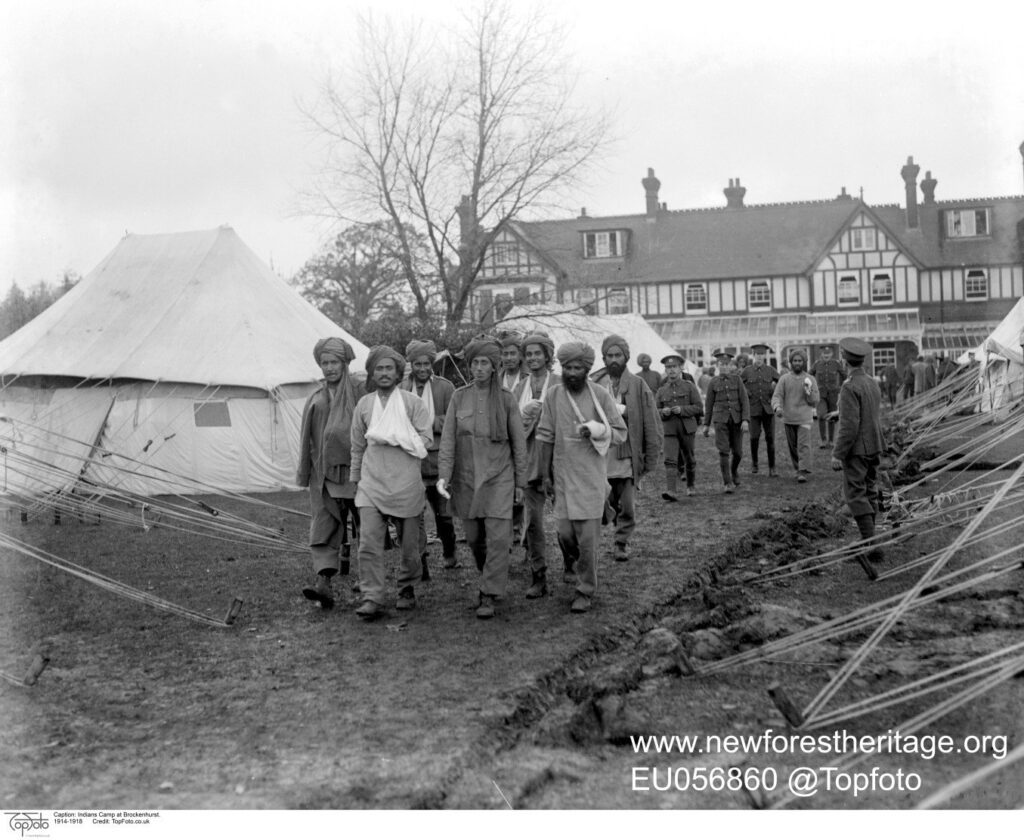
During WWI Balmer Lawn Hotel and its surrounding land was donated to the war effort by Mrs Morant of Brockenhurst Park and it formed part of the Lady Hardinge Hospital for wounded Indian soldiers between 1914 and 1915, funded by a private charity.
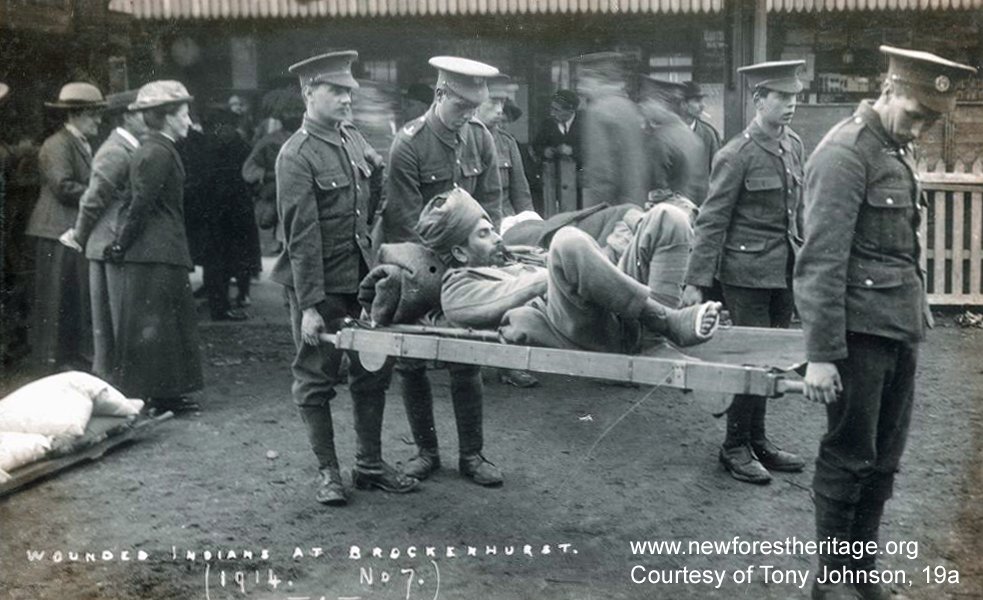
Balmer Lawn and Forest Park Hotels were commandeered and fitted out as medical facilities and Morant Hall, also called New Forest Hall, was transformed into yet another medical facility known as Meerut Indian General Hospital.
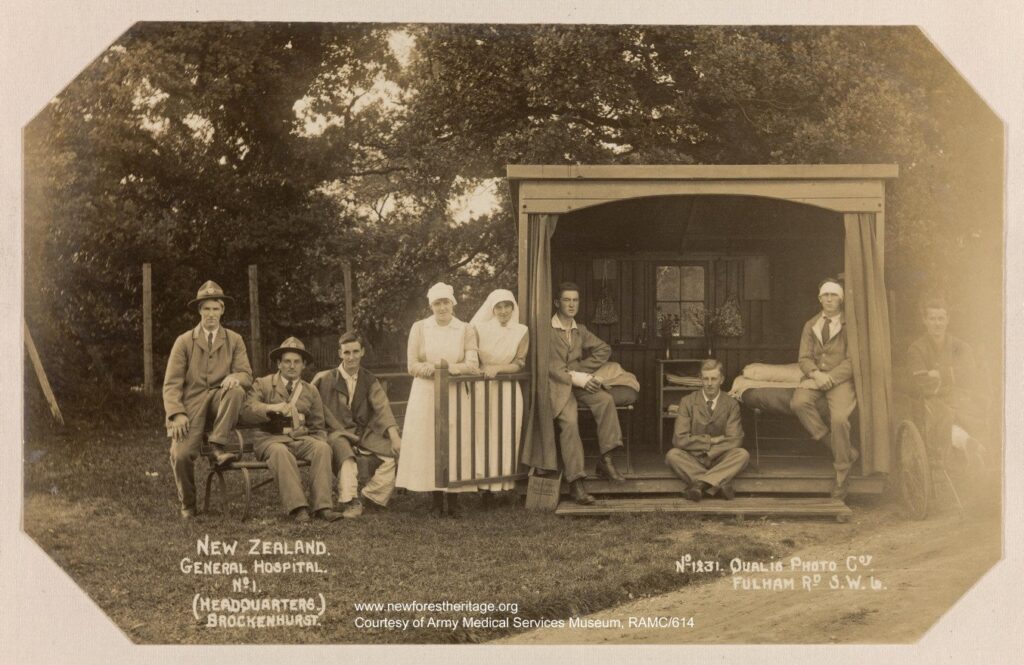
When the New Zealand troops arrived in 1916, the main hospital complex and its satellite sites such as Balmer Lawn became part of the No.1 New Zealand General Hospital and the Hall became a British Red Cross Auxiliary facility (also known as a Convalescent Depot) called Morant War Hospital.
Thanks to photographs from 1916 we can understand more about what life was like in the hospital for staff and patients.
Remarkable Forest Folk
Samuel Kinkead
In 1928, racing driver Samuel Kinkead attempted a land-speed record on the long, flat stretch of Shell Beach near Lymington, bringing cutting-edge engineering to the New Forest. His goal was to push the limits of speed at a time when motor racing was advancing rapidly. Tragically, the attempt ended in a fatal crash, and the event remains a powerful reminder of the risks and ambition that shaped early land-speed record history.
Arthur George Simmons
‘The crash that saved my life.’ Discover the fascinating story of Arthur George Simmons who was posted to RFC (later RAF) Beaulieu, a Training Airfield, at East Boldre.
Arthur had already survived an earlier crash. But on 13 April 1918 while flying an Avro 504A (A8600) Arthur crashed for the second time. Following this severe crash landing at East Boldre he was discharged. Paul (Arthur’s grandson) recalls his grandfather commenting ‘That crash saved my life!’.
Second World War
The Second World War left a much larger impact on the ground, with visible outlines and remaining areas of buildings and structures leaving a tangible, physical connection to past events.
Setley WWII prisoner of war camp
In 2016 two WWII occupants of Setley Plan Prisoner Of War Camp 65 near Brockenhurst returned to New Forest after 70 years.
Hans Strehlau was held at the camp during 1946-47 at the same time that Gordon Forsey was Motor Transport Officer at the low security prison. The meet-up was organised by the New Forest National Park Authority as part of its New Forest Remembers WWII project.
Watch them return to the site near Brockenhurst and hear their incredible stories.
D-Day
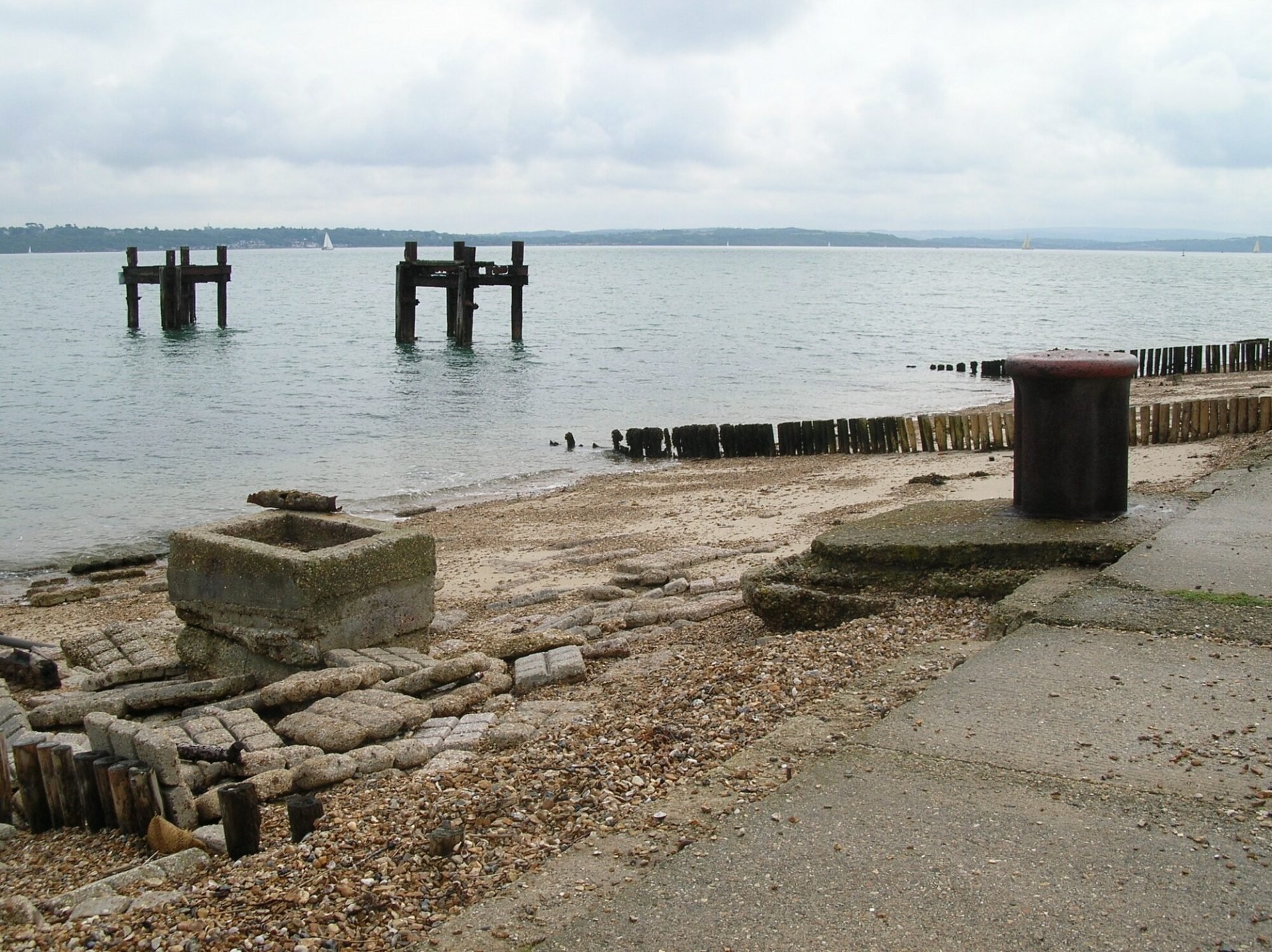
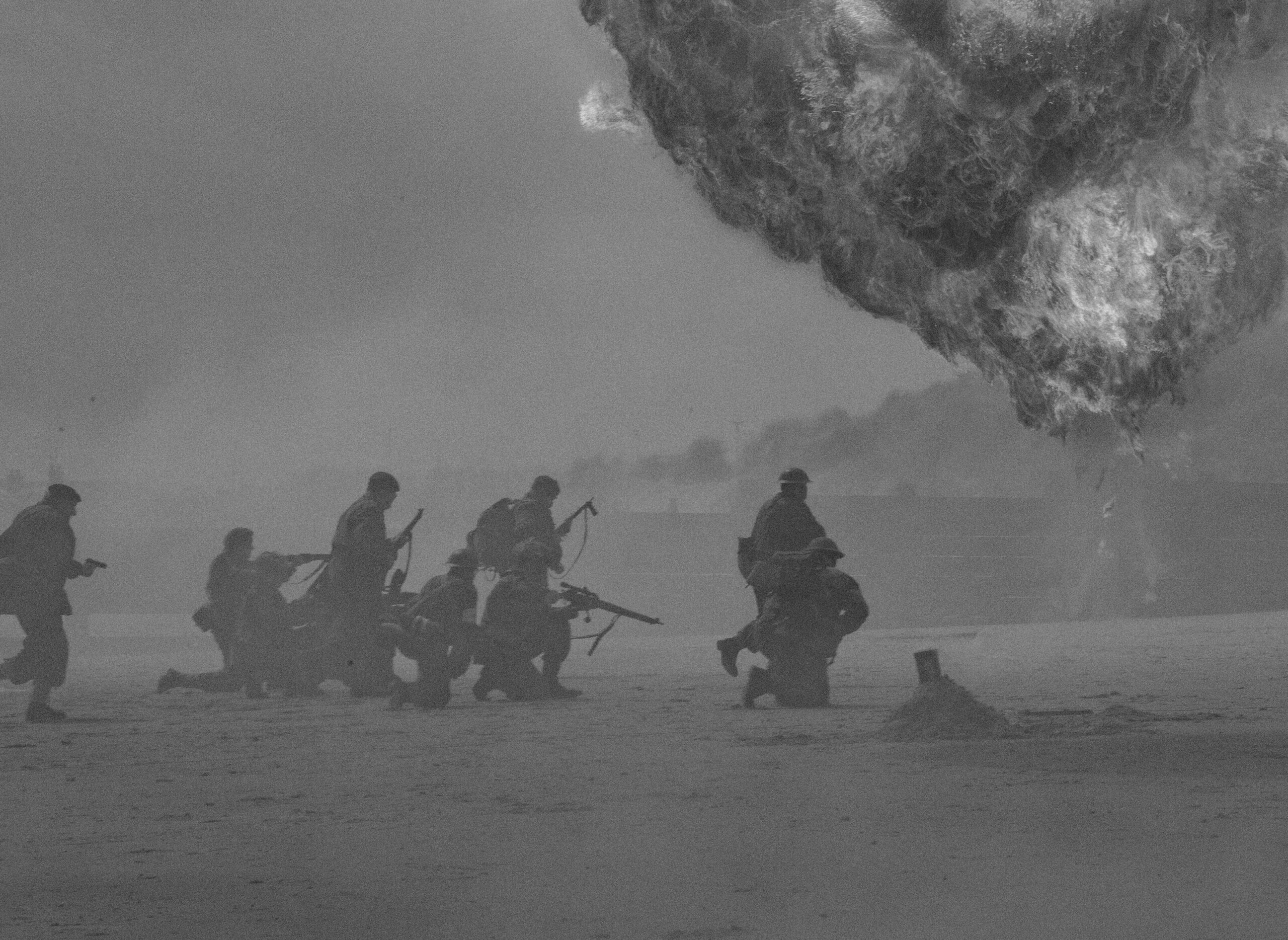
On this day (6 June) in 1944 thousands of troops with their vehicles and supplies left Britain via locations such as Lepe Beach in the New Forest for the beaches of Normandy. This was D-Day, the start of the great campaign to liberate Europe and to bring the Second World War to its end.
We are able to hear the memories of people that once lived, worked and even imprisoned here during the Second World War
Learn more about the role of the New Forest in D-Day on the New Forest Knowledge website below.